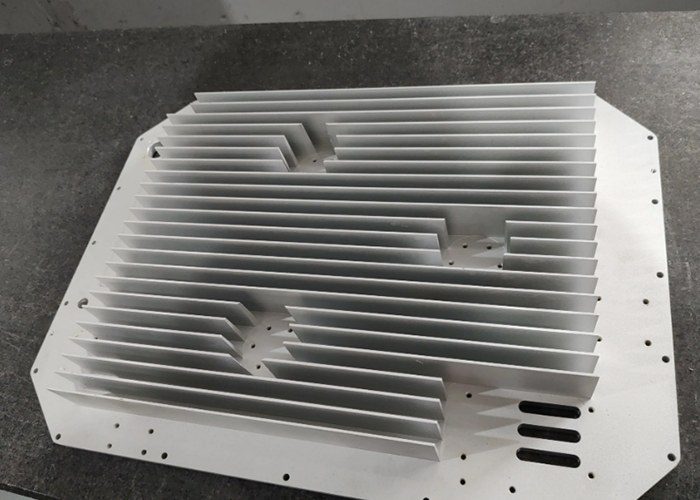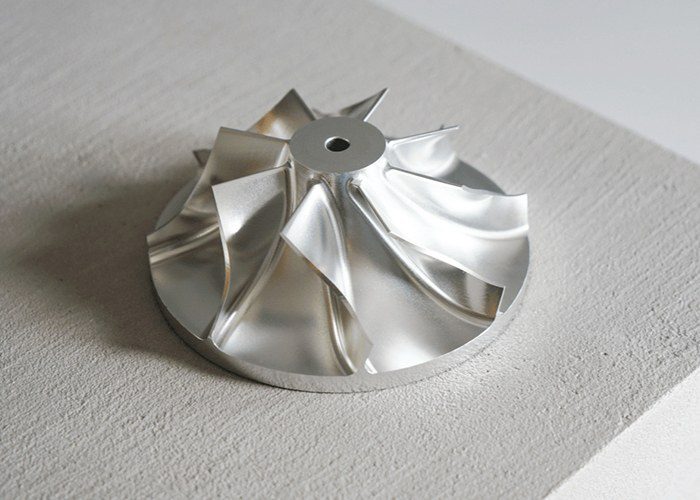
In the vast ecosystem of modern manufacturing, few processes are as foundational—and as frequently misunderstood—as metal fabrication machining. Often reduced in the public imagination to mere “cutting and bending,” this discipline is in fact a sophisticated interplay of physics, material science, and precision engineering. From the titanium alloy components in a jet engine to the stainless steel frame of a refrigerator, metal fabrication machining is the silent enabler of the built world. It is where raw, inert metal is transformed into functional, reliable, and often beautiful mechanical structures.
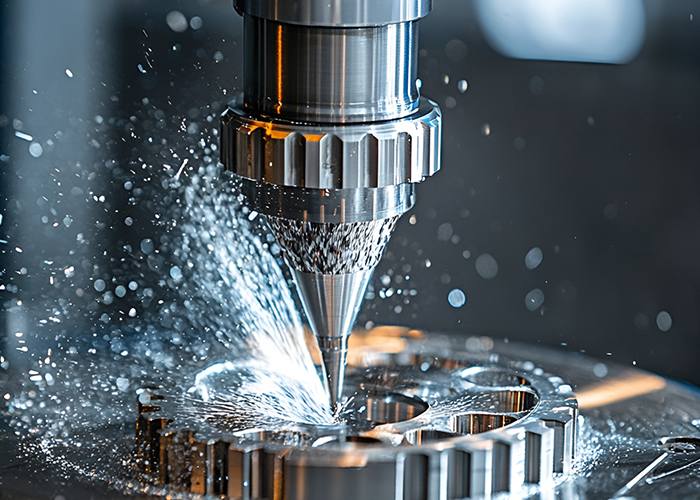
At its core, metal fabrication machining refers to the suite of subtractive manufacturing processes used to cut, shape, and finish metal workpieces into a desired geometry. Unlike additive manufacturing (3D printing), which builds up material layer by layer, machining removes material—chip by chip, shaving by shaving. The primary categories include turning (using a lathe), milling (using a rotary cutter), drilling, grinding, and more specialized techniques like electrical discharge machining (EDM) or laser cutting. Each method serves a unique purpose: turning excels at cylindrical parts (shafts, bushings), milling produces complex 3D shapes (engine blocks, molds), and EDM handles ultra-hard metals with microscopic precision.
The history of machining is as old as the Industrial Revolution. The first engine lathes of the 18th century allowed craftsmen to produce interchangeable parts—a concept that would give birth to mass production. Today, that heritage is carried forward by Computer Numerical Control (CNC) machines. A CNC machining center is a marvel of electromechanical synergy: a computer reads G-code instructions and controls axes of motion (often 3 to 5) with repeatable accuracy down to ±0.0001 inches. This shift from manual skill to digital precision has democratized complexity. A part that would have required a master toolmaker a week to produce can now be machined in an hour by an operator with a solid CAD model and the right toolpath strategy.
Yet, the essence of successful machining lies not in the machine alone, but in the symbiosis of tool, material, and coolant. Selecting the correct cutting tool geometry—from carbide end mills with specialized coatings (TiAlN, AlTiN) to ceramic inserts for high-temperature alloys—is a science in itself. Likewise, understanding the machinability of different metals is critical. Aluminum (6061-T6, 7075) cuts like butter and is forgiving; stainless steel (304, 316) work-hardens and demands rigid setups; titanium (Ti-6Al-4V) generates intense heat and requires low speeds with high feed rates; while Inconel, a superalloy, is notorious for chewing up even diamond-coated tools. The machinist’s choice of speeds, feeds, depth of cut, and coolant application (flood, mist, or through-tool) determines whether a job yields a mirror finish or a scrapped workpiece.
The applications of metal fabrication machining are nearly boundless. In aerospace, machining produces structural ribs, landing gear components, and turbine discs where failure is not an option—hence the need for rigorous surface finishes and residual stress management. In automotive, engine blocks, transmission housings, and brake calipers start as castings or billets and are machined to exact tolerances. In medical technology, orthopedic implants (hip stems, bone screws) and surgical instruments are machined from biocompatible metals like titanium or cobalt-chrome, often requiring clean, burr-free edges. Even in consumer electronics, the unibody aluminum casing of a laptop or smartphone is produced by a series of high-speed milling and drilling operations.
However, the industry is not without its challenges. The first is material waste: subtractive processes inherently generate chips and scrap, which, while recyclable, represent inefficiency compared to near-net-shape methods. The second is tool wear and cost—high-performance carbide or diamond tools can be prohibitively expensive, and tool changes eat into production time. Third, there is the energy footprint: heavy-duty machining centers can draw tens of kilowatts, and coolant management poses environmental concerns. Finally, the global skills gap looms large. While CNC machines are automated, they still require programmers, set-up technicians, and quality inspectors who understand both G-code and the tactile feel of a good cut. As veteran machinists retire, fewer young people are entering the trade.
Looking forward, the future of metal fabrication machining is being reshaped by three trends. First, hybrid manufacturing—combining additive and subtractive processes in a single machine—allows for building near-net shapes with metal powder (laser or electron beam) and then finish-machining critical surfaces. Second, digital twins and AI-driven adaptive control: sensors on the machine monitor vibration, temperature, and spindle load, adjusting feeds in real time to prevent chatter or tool breakage. Third, sustainable machining via minimum quantity lubrication (MQL) and cryogenic cooling (using liquid nitrogen) eliminates harmful coolants while improving tool life. High-speed machining (HSM) and trochoidal milling strategies also reduce heat generation, allowing faster material removal without thermal damage.
In conclusion, metal fabrication machining is far more than a brute-force industrial activity. It is a precise, knowledge-intensive craft that bridges the gap between digital design and physical reality. Each machined part tells a story of compromise—between speed and accuracy, cost and quality, hardness and ductility. As industries demand ever tighter tolerances, exotic materials, and sustainable processes, machining will continue to evolve. But its fundamental promise remains unchanged: to give form to function, one chip at a time. Whether it’s the engine that powers a flight or the implant that mends a bone, the world runs on machined metal—and the skilled hands and smart software that make it possible.