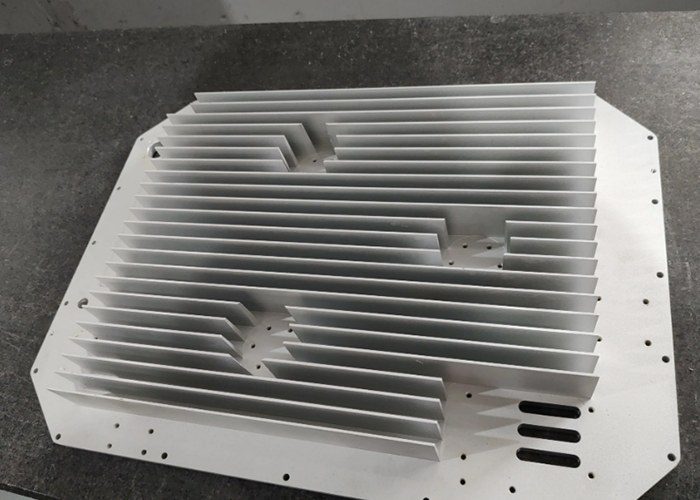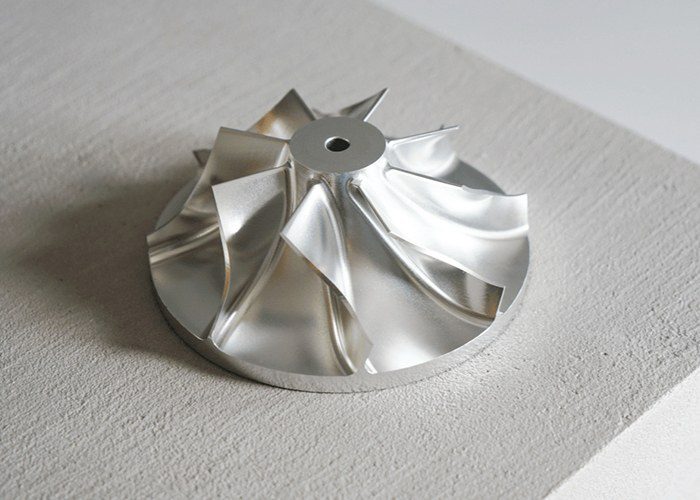
In the modern manufacturing landscape, the difference between a groundbreaking product and a flawed prototype often comes down to microns. As industries from aerospace to medical devices push the boundaries of performance, the demand for complex, durable, and perfectly replicated metal components has skyrocketed. At the heart of this industrial evolution lies Metal CNC Machining Services—a technological pillar that has redefined what is possible in custom part fabrication.
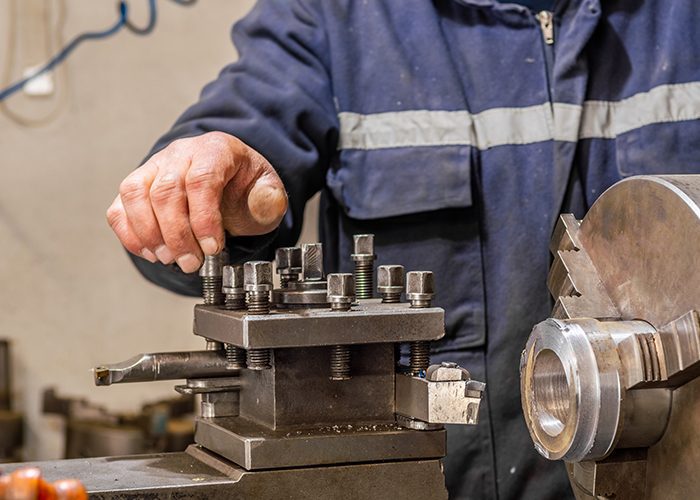
What is Metal CNC Machining?
In CNC machining, a subtractive manufacturing process, pre-programmed computer software directs the motion of machine tools and equipment. When applied to metals, this process allows for the precise removal of material from a solid block (or billet) to create a specific geometry. Unlike manual machining, which relies on hand-operated levers and wheels, CNC machining offers unparalleled automation, consistency, and complexity.
The Core Advantages of Professional CNC Services
Why do engineers and procurement managers consistently turn to professional metal machining services rather than in-house manual alternatives? The answer lies in four key pillars.
1. Unwavering Precision and Tolerance
Human error is the enemy of high-stakes engineering. Metal CNC machines routinely operate at tolerances of +/- 0.005 inches, with advanced systems reaching tolerances as tight as +/- 0.0001 inches. For industries like oil and gas or semiconductor manufacturing, where a single misaligned valve or bracket can cause catastrophic failure, this level of precision is non-negotiable.
2. Complex Geometries Made Simple
Intricate designs that would be impossible to produce by hand—such as 3D contoured surfaces, deep internal cavities, and asymmetrical thread patterns—are the daily bread of CNC services. With multi-axis capabilities (from 3-axis to advanced 12-axis machines), service providers can manipulate metal stock from virtually any angle, turning a solid block of stainless steel or titanium into a skeletonized, lightweight aerospace bracket.
3. Repeatability at Scale
Whether a client needs one prototype or ten thousand identical units, CNC machining guarantees consistency. Once a design is uploaded via G-code, the machine will produce the second part exactly as it produced the first. For supply chain managers, this eliminates the risk of “dimensional drift” that plagues long-run manual production runs.
4. Versatility Across Metal Types
Professional CNC services are equipped to handle the full spectrum of engineering metals. This includes:
- Aluminum: Ideal for lightweight automotive and drone components.
- Stainless Steel: Preferred for medical instruments and food-grade machinery due to corrosion resistance.
- Brass & Copper: Ideal for electrical components and decorative hardware.
- Titanium: The gold standard for high-strength, low-weight applications like aerospace fasteners and medical implants.
- Tool Steels: Used for injection molds and heavy-duty stamping dies.
Critical Applications Driving Demand
The versatility of metal CNC machining makes it a silent partner in almost every aspect of modern life. Currently, three sectors are driving the most innovation in this field.
Aerospace & Defense: Here, “buy-to-fly” ratios are critical. CNC services utilize advanced nesting software to minimize waste when cutting expensive alloys like Inconel and Monel. Every gram of metal removed is a gram the plane doesn’t have to carry.
Medical Technology: The ability to machine biocompatible metals (such as 316L stainless steel) into bone screws, hip joint replacements, and surgical robots has saved countless lives. The finish quality offered by CNC milling eliminates the need for secondary polishing in many cases, reducing contamination risks.
Automotive & Motorsports: From engine blocks to custom suspension components, CNC machining helps high-performance vehicles reduce weight and dissipate heat. Shops frequently use 5-axis machining to create intake manifolds with optimized airflow that are impossible to cast efficiently.
The Evolution: Automation and Hybrid Processes
Modern Metal CNC Machining Services have moved far beyond simple “drill and mill.” The industry is currently witnessing a shift toward “lights-out manufacturing”—fully automated facilities where robots load metal stock into CNC mills that run 24/7 without human intervention. Furthermore, some advanced service bureaus now combine CNC machining with additive manufacturing (3D printing); they print a near-net shape of a metal part and then CNC machine the critical surfaces to exact tolerances.
Choosing the Right Partner
When sourcing a metal CNC service provider, buyers should look beyond the hourly rate. Key differentiators include:
- Inspection Reports: Do they provide CMM (Coordinate Measuring Machine) reports with every shipment?
- Lead Times: Do they offer “quick-turn” prototyping (2-3 days) versus long production runs?
- Secondary Services: Can they provide anodizing, plating, or heat treatment in-house? Outsourcing finishing often introduces logistics delays and cost markups.
Conclusion
Metal CNC machining is not just a manufacturing process; it is an enabler of innovation. It bridges the gap between a digital CAD file and a physical, high-performance reality. Outsourcing to professional metal CNC machining services gives businesses access to advanced machinery, skilled machinists, and rigorous quality control—without the upfront capital investment of purchasing their own equipment. As materials get harder and tolerances get tighter, the precision of the CNC lathe and mill will remain the benchmark by which industrial quality is measured.