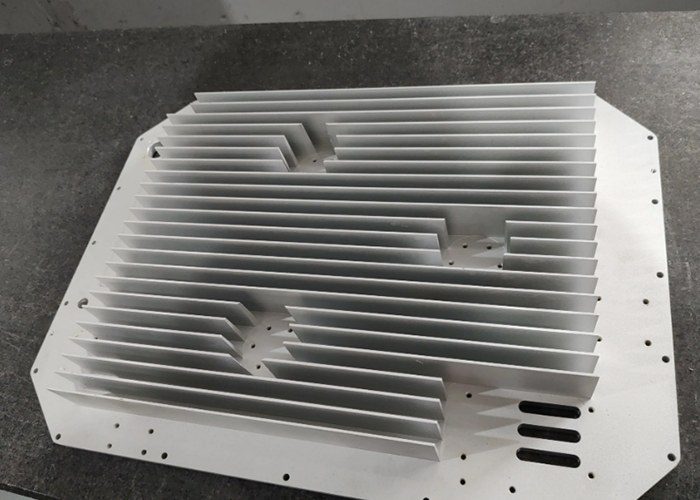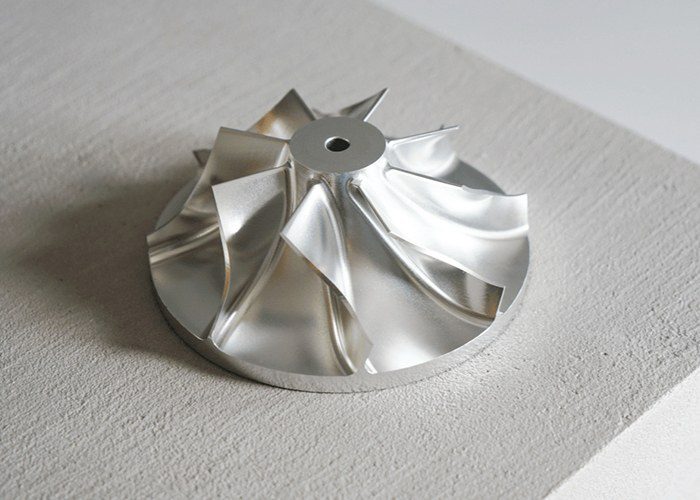
In precision manufacturing, carbon steel maintains its premier status, distinguished by a compelling balance of high tensile strength, broad adaptability, and superior cost efficiency. From automotive components and heavy machinery to aerospace structures and industrial equipment, mechanically machined carbon steel parts form the backbone of countless engineering applications. However, machining this material effectively requires a thorough understanding of its properties, careful process planning, and adherence to proven best practices.
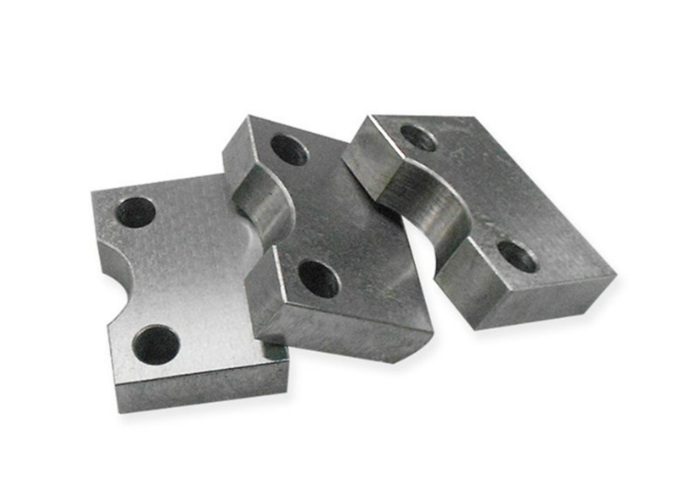
Understanding Carbon Steel Grades
Carbon steel is fundamentally an alloy of iron and carbon, with the carbon content serving as the primary determinant of its mechanical properties and machinability. Carbon percentage dictates the material’s three main classifications. Low-carbon steel (0.05% to 0.30% carbon) is ductile, easily welded, and offers excellent machinability, making it ideal for brackets, enclosures, and sheet metal components. Medium-carbon steel (0.30% to 0.60% carbon) provides a balanced combination of strength and toughness, commonly used for gears, shafts, and structural frames. High-carbon steel (0.60% to 1.50% carbon) delivers superior hardness and strength but presents greater machining challenges due to its abrasive nature and tendency to cause rapid tool wear.
Primary Machining Techniques
A variety of mechanical machining processes are employed to shape carbon steel into finished parts, each suited to specific geometries and production requirements. Turning is used to create cylindrical components by rotating the workpiece against a cutting tool, with carbide inserts being the preferred choice for handling different hardness levels. Milling employs rotating end mills to remove material, with a 4-flute end mill and 30° helix angle typically providing an optimal balance between tool strength and chip evacuation for most carbon steel applications. Drilling operations require careful selection of cutting speeds and feed rates based on material hardness to prevent tool damage and ensure hole quality. For internal features such as splines and keyways, broaching offers high precision and is well-suited for high-volume production. Additionally, laser cutting and waterjet cutting provide alternative approaches for achieving high precision with minimal thermal distortion.
Critical Machining Parameters
Achieving precision when machining carbon steel depends on controlling several interrelated parameters that directly affect surface quality, tool life, and overall efficiency. Cutting speed, feed rate, and depth of cut must be carefully matched to the specific carbon steel grade and the desired surface finish. For carbon steel materials, higher spindle speeds, higher feed rates, and greater cutting depths are generally recommended compared to harder alloys. However, for high-carbon steels, cutting speeds should not be excessively high to avoid accelerated tool wear from elevated temperatures. Machine rigidity is also paramount, as steel requires high cutting forces that demand a stable and robust setup.
Challenges in Carbon Steel Machining
Despite its favorable properties, machining carbon steel presents several significant challenges that must be addressed to achieve consistent quality. Owing to their soft, ductile nature, low-carbon steels tend to generate continuous, rope-like chips that are difficult to fracture, which presents a notable challenge in automated machining operations. Medium-carbon steels require stable cutting conditions and controlled chip evacuation to maintain high surface integrity, especially during full-face milling at elevated material removal rates. High-carbon steels are hard and abrasive, causing rapid tool wear that necessitates frequent tool changes and careful monitoring. Owing to the extreme hardness of iron oxides, mill scale—the oxide layers formed during heat treatment—can significantly exacerbate tool wear. Crater wear is identified as one of the most serious issues in turning carbon steels, requiring careful selection of carbide grades, tool geometries, and cutting conditions.
Tool Selection and Cooling Strategies
Selecting the right cutting tools is paramount for successful carbon steel machining. Carbide tools are commonly preferred for their high hardness, wear resistance, and thermal resistance, enabling them to withstand the cutting forces and temperatures generated during machining. Coated carbide inserts or ceramic tools may be required for harder grades to resist abrasion and heat. Effective cooling and lubrication are equally essential, particularly given the significant heat generated during machining. High-quality flood coolant helps dissipate heat and flush chips away from the cutting zone, while oil-based coolants have been shown to perform better in reducing tool wear and improving surface finish compared to other options.
Industrial Applications
Mechanically machined carbon steel parts find application across virtually every industrial sector. In the automotive industry, carbon steel is used for engine components, transmission parts, shafts, gears, and suspension components. Aerospace applications include bushings, shafts, connectors, structural frames, and fasteners. The industrial machinery sector relies on carbon steel for bearings, machine frames, custom tooling, and heavy equipment components. Carbon steel and alloy steel are commonly machined into shafts, flanges, connectors, gear blanks, and industrial equipment components, offering an excellent balance of strength, toughness, and wear resistance. The carbon steel segment accounts for a substantial portion of the automotive and aerospace steel market, driven by low production costs, strong recyclability, and adaptability across a wide range of structural applications.
Conclusion
Mechanical machining of carbon steel parts is a sophisticated manufacturing discipline that demands technical expertise, careful process optimization, and an understanding of material behavior. The versatility of carbon steel—available in low, medium, and high carbon grades—enables its use across diverse industries, yet each grade presents unique machining characteristics that must be accommodated through appropriate tool selection, parameter adjustment, and cooling strategies. By mastering these variables and addressing the inherent challenges of chip control, tool wear, and surface integrity, manufacturers can consistently produce high-quality carbon steel components that meet the demanding requirements of modern engineering applications. The ongoing evolution of manufacturing technologies only reinforces the indispensable role of precision-machined carbon steel parts in driving industrial progress and innovation.