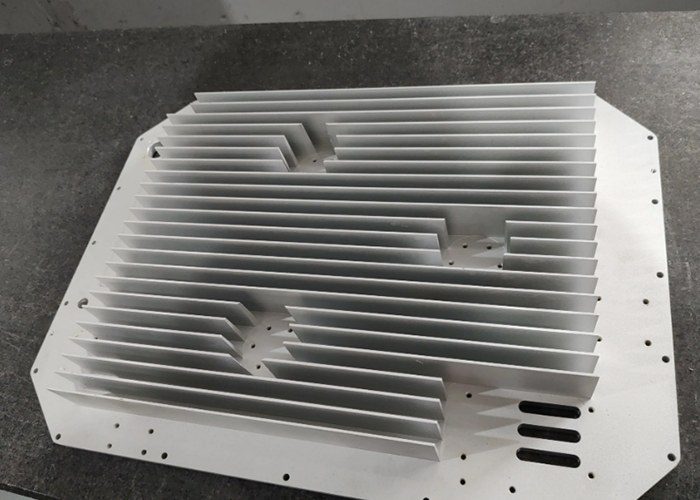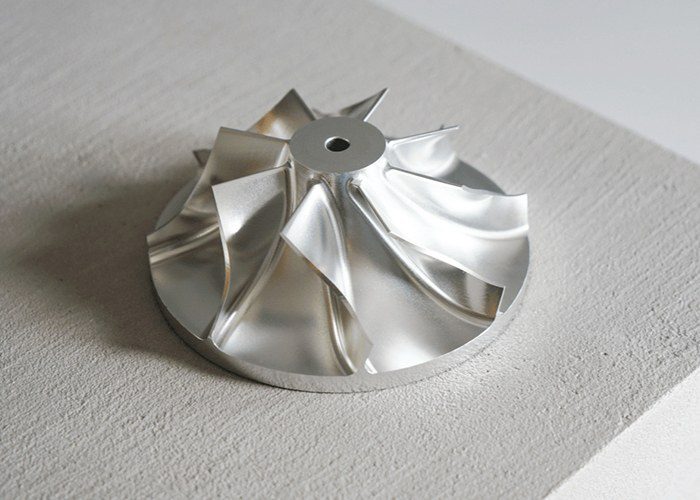
CNC milling of stainless steel parts stands as one of the most critical manufacturing processes in modern industry. From aerospace components to medical implants, automotive systems to food processing equipment, CNC-milled stainless steel parts deliver the strength, corrosion resistance, and precision that demanding applications require. Yet beneath this seemingly straightforward process lies a complex interplay of material science, cutting technology, and precision engineering that separates successful machining from costly failure.
Understanding the Material
Stainless steel is an iron-based alloy containing chromium and nickel, which give it exceptional corrosion resistance and structural strength. However, these same properties that make stainless steel so valuable also make it notoriously difficult to machine. Unlike softer materials such as aluminum or mild steel, stainless steel exhibits high toughness, poor thermal conductivity, and a pronounced tendency to work harden during cutting. The thermal conductivity of austenitic grades like 304 measures only 16.2 W/mK, meaning heat generated during cutting does not dissipate quickly and concentrates in the tool-workpiece contact area.
Common grades include 304 and 316 austenitic stainless steels, prized for their versatility and corrosion resistance, as well as 17-4 PH precipitation-hardening stainless steel, which offers tensile strength exceeding 1,300 MPa after heat treatment—roughly double that of annealed 304. Each grade presents unique machining characteristics: austenitic grades like 304 and 316 require reduced feed rates and rigid setups to prevent deformation, while precipitation-hardening alloys demand strict thermal management.
The Principal Challenges
CNC milling stainless steel presents a formidable set of challenges that machinists must navigate with skill and precision. High cutting forces subject tools to excessive loading, drastically shortening their service life. The material’s poor thermal conductivity creates concentrated heat zones at the cutting edge, which can affect dimensional accuracy and accelerate tool degradation. Work hardening occurs when the surface of stainless steel becomes harder after being deformed by cutting pressure, heat, or rubbing—and once hardened, subsequent machining becomes even more difficult. One seasoned industry observer frames it succinctly: ‘If you rub, you lose.
Chip formation presents another significant hurdle. Stainless steel chips can easily entangle the cutting tool, disrupting machining continuity and damaging the workpiece surface. Material sticking to the cutting tool increases the risk of built-up edge formation, which compromises surface finish and accelerates wear. The sensitivity of cutting parameters means that even slight deviations in spindle speed or feed rate can dramatically affect results.
Tooling and Cutting Parameters
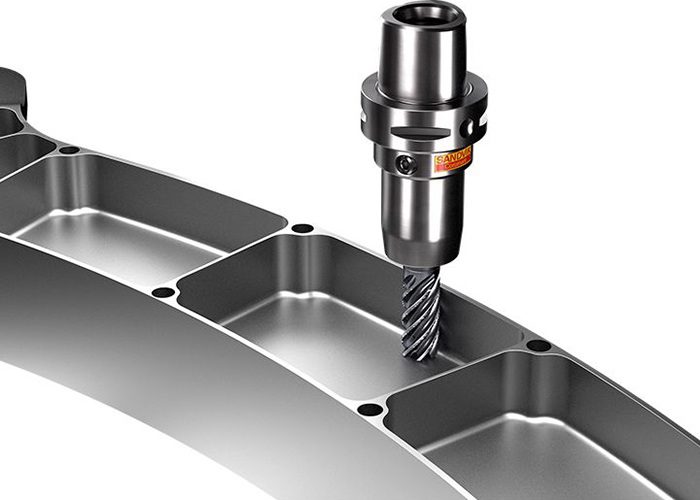
Success in CNC milling stainless steel begins with proper tool selection. Carbide tools coated with titanium aluminum nitride (TiAlN) or AlTiN are widely regarded as the best choice, offering the hardness and heat resistance necessary to withstand the demanding conditions of stainless steel machining. Advanced coatings such as AlCrN and TiAlSiN further enhance performance by reducing friction and protecting cutting edges from premature wear.
Equally critical is the optimization of cutting parameters. A higher feed rate helps avoid work hardening during milling, while the right selection of depth of cut balances efficiency and tool wear. Research on AISI 304 stainless steel has shown that optimum surface roughness—as fine as 0.21 μm—can be achieved at spindle speeds around 3,184 rpm and feed rates of approximately 1,528 mm/min. For AISI 316, similar optimization yields surface roughness values around 0.24 μm. The depth of cut parameter has been identified as the most influential factor in optimizing surface roughness.
Coolant strategy plays an equally vital role. Stainless steel machining requires continuous and stable heat dissipation. High-pressure coolant systems—operating at 70 to 100 bar—are increasingly standard on modern CNC machines, helping to evacuate chips, reduce thermal impact, and extend tool life. Studies comparing dry machining with Minimum Quantity Lubrication (MQL) have revealed important trade-offs: dry machining can yield higher material removal volumes, while MQL provides more consistent results and reduced tool wear.
Applications Across Industries
The exceptional properties of CNC-milled stainless steel parts make them indispensable across virtually every sector of advanced manufacturing. In aerospace, stainless steel components such as fasteners, valves, turbines, and structural elements must withstand high heat, pressure, and corrosive environments while maintaining tight tolerances. The medical industry relies on stainless steel’s biocompatibility and corrosion resistance for surgical instruments, implants, and prosthetic devices that demand exacting precision. Automotive applications range from exhaust systems to engine components, leveraging stainless steel’s strength and durability. Food processing equipment benefits from stainless steel’s ease of cleaning and hygienic properties. Industrial machinery, valves, pumps, and chemical processing equipment all depend on stainless steel parts that can perform reliably in harsh environments.
Quality and Surface Finish
Surface finish quality is paramount for many stainless steel applications. CNC milling can achieve tolerances as tight as ±0.01 mm and surface roughness values as low as Ra 0.2 μm. With ultra-precision techniques, surface roughness can reach Ra 0.1–0.4 μm. Common post-processing options including polishing, passivation, and bead blasting further enhance corrosion resistance and meet specific industry requirements. Rigorous quality inspection—using Mitutoyo calipers for dimensional checks and roughness testers for surface verification—ensures that every part meets specifications.
The Path Forward
As manufacturing continues to advance toward higher strength, greater precision, and enhanced reliability, the importance of CNC milling stainless steel parts only grows. Ongoing developments in cutting tool coatings, such as nano-grade ultra-fine grain carbide substrates and advanced PVD coatings, promise improved tool life and machining efficiency. Research into sustainable machining strategies—including dry machining and MQL—continues to optimize the balance between productivity, tool life, and environmental responsibility.
CNC milling stainless steel remains as much an art as a science—a discipline where understanding material behavior, selecting the right tools, optimizing parameters, and maintaining rigorous quality control converge to produce components that power our world. For manufacturers willing to master these challenges, the rewards are substantial: parts that deliver exceptional performance, longevity, and reliability across the most demanding applications imaginable.