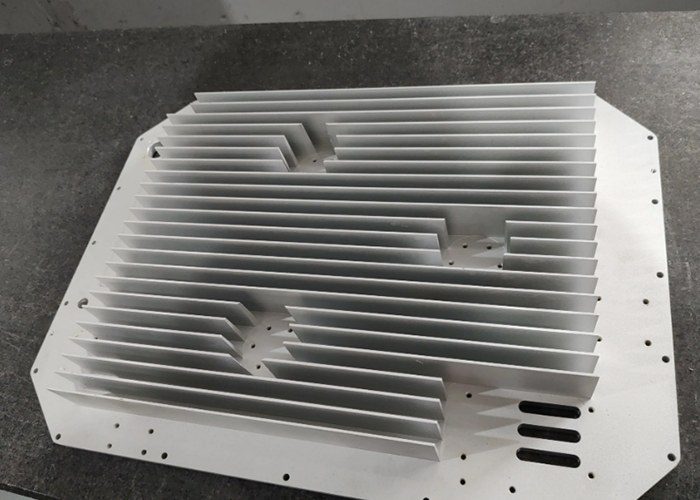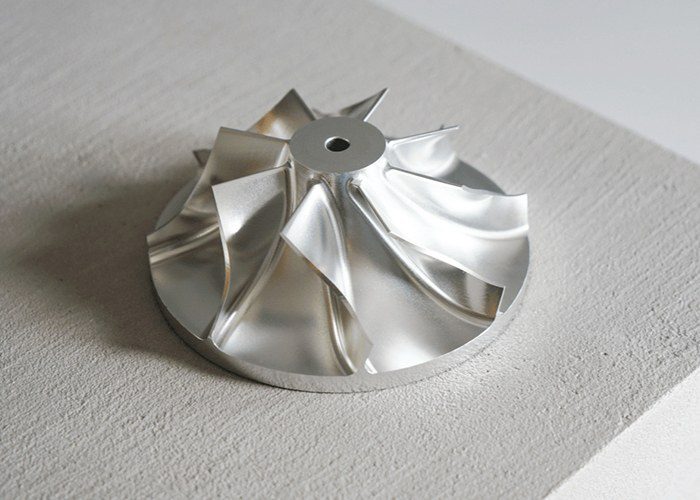
In the vast, echoing halls of industrial lore, manufacturing has long been synonymous with scale—endless production lines, towering inventories, and the relentless hum of mass production. For decades, the high costs of tooling and setup made small batches economically unviable, locking out innovators, startups, and even established companies needing bespoke parts. Today, a quiet revolution is changing this narrative. Low volume CNC machining has emerged not merely as a niche service but as a foundational pillar of modern, agile manufacturing, fundamentally democratizing how products are conceived, prototyped, and brought to market.
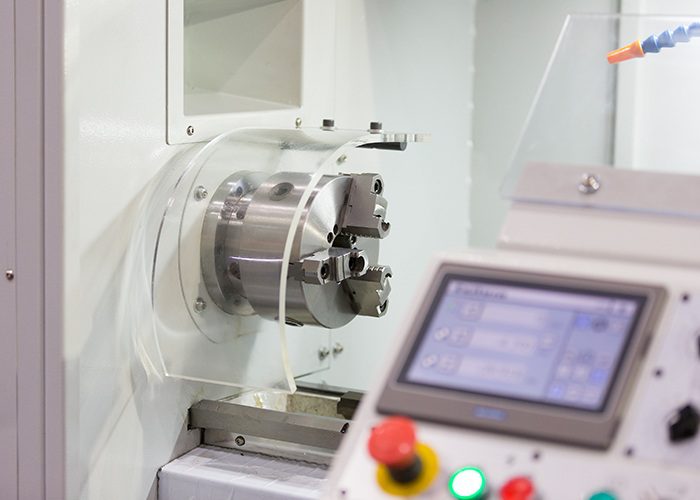
At its core, low volume CNC (Computer Numerical Control) machining refers to the production of a limited number of precision parts, typically ranging from a single prototype to several hundred units. Unlike its high-volume counterparts that rely on expensive, dedicated tooling like injection molds or die-casts, low-volume CNC leverages the inherent flexibility of computerized milling, turning, and routing. A digital file—a 3D CAD model—directs the cutting tool, enabling the creation of complex, high-tolerance geometries from a solid block of material without any custom tooling. This eliminates the colossal upfront investment that once served as a gatekeeper to manufacturing.
The implications of this accessibility are profound. We are witnessing a paradigm shift from “economies of scale” to “economies of agility.” For entrepreneurs and hardware startups, this means the ability to iterate rapidly. A design can be validated with a functional prototype machined in aluminum within days, tested, refined, and re-machined in a continuous loop of improvement. This drastically shortens development cycles and reduces the financial risk of bringing a new product to life. A med-tech startup can develop a next-generation surgical instrument handle, producing fifty units for clinical trials without committing to a five-figure mold cost. A boutique automotive firm can manufacture a run of specialized suspension components for a limited-edition vehicle, responding to precise market demand without surplus.
Furthermore, low volume CNC machining is the engine of the “on-demand” and “customization” economy. It empowers businesses to hold minimal stock, producing parts as needed based on real-time orders. This aligns perfectly with lean manufacturing principles, reducing warehouse costs and waste. It also enables mass customization—a company can offer a core product with personalized elements. Imagine a manufacturer of high-end audio equipment producing amplifier chassis with custom port layouts or engraving, each batch tailored to a specific client’s specifications, all with the same seamless, automated process.
The technological enablers behind this shift are as crucial as the philosophy. Modern CNC machines, particularly 3-axis and 5-axis machining centers, offer remarkable speed, accuracy, and material versatility. They are capable of processing engineering-grade plastics such as PEEK and Ultem, various aluminum and steel alloys, and even exotic materials including titanium. This material freedom ensures that low-volume parts are not just prototypes but often end-use components of commercial-grade quality. Coupled with advanced CAD/CAM software that optimizes tool paths for small batches, and automated tool changers that minimize downtime, the efficiency gap between producing one part and one thousand parts has narrowed dramatically.
The supply chain resilience of recent years has only magnified the value of low-volume CNC. Companies have learned the perils of over-reliance on distant, monolithic suppliers for critical components. Low-volume machining, often sourced from a distributed network of local or regional machine shops, offers a robust alternative. It allows for nearshoring of production, faster turnaround times, and greater control over intellectual property and quality assurance. This decentralized model of manufacturing strengthens supply webs, making industries less vulnerable to disruption.
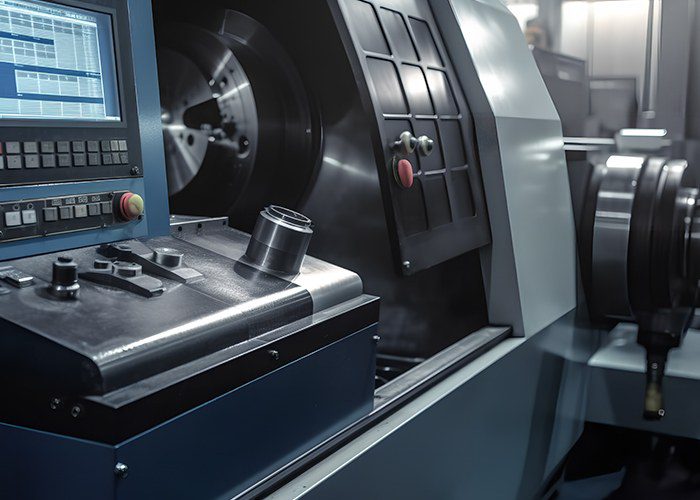
Looking ahead, the convergence of low-volume CNC with other Industry 4.0 technologies promises even greater integration. Digital inventory platforms can instantly quote and initiate production from a cloud-based design file. Machine monitoring via IoT sensors ensures transparency and quality control for every unit in a batch, regardless of its size. This is not a return to artisanal, one-off craftsmanship—though it shares its dedication to quality—but a forward leap into a digitally orchestrated, responsive, and inclusive industrial landscape.
In conclusion, low volume CNC machining is far more than a convenient option for prototypes. It is a transformative force that has lowered the barriers to industrial creation. By replacing costly tooling with digital instructions, it has shifted power from those who own the means of mass production to those who own the best ideas. It fosters innovation, enables customization, supports sustainable lean operations, and builds resilient supply chains. In the quiet precision of a CNC machine crafting a batch of fifty perfect parts, we hear the future of manufacturing: flexible, intelligent, and accessible to all. This is the true democratization of making, where volume no longer dictates value, and agility becomes the ultimate competitive advantage.