
The image of manufacturing is often one of greased floors, roaring machinery, and hands-on machinists—a world firmly anchored in the physical. Yet, a silent revolution is weaving a digital thread through this landscape, fundamentally transforming how parts are conceived and created. At the forefront is the rise of the online CNC milling service, a model that transcends mere convenience to become a powerful engine for innovation, accessibility, and efficiency.
Gone are the days of protracted quoting processes, geographical limitations, and opaque supply chains. An online CNC milling platform acts as a seamless bridge between a digital design and a physical part. It begins with the universal language of modern engineering: the CAD file. By uploading a 3D model, the user initiates an automated, intelligent dialogue with the platform. Advanced software performs instant Design for Manufacturability (DFM) analysis, highlighting potential issues like overly thin walls, impractical tolerances, or challenging internal geometries before a toolpath is ever generated. This pre-emptive collaboration democratizes expertise, allowing engineers and entrepreneurs alike to leverage algorithmic wisdom that was once the guarded domain of seasoned machinists.
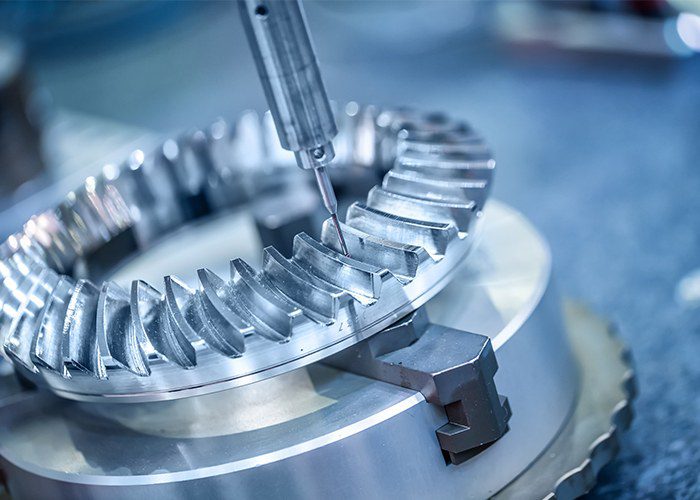
The core of this model is its radical democratization of capability. A startup, a university lab, or a solo inventor now wields manufacturing power once reserved for large corporations. With a few clicks, they access a vast, virtual factory floor equipped with multi-axis machining centers, a comprehensive material library (from common aluminums and plastics to exotic alloys and composites), and post-processing options like anodizing or powder coating. This levels the competitive playing field, allowing innovation to flourish based on the merit of an idea, not the depth of capital for hardware investment.
Furthermore, the online ecosystem introduces unprecedented transparency and predictability. The instant quoting engine, powered by complex algorithms that consider material cost, machine time, tooling, and setup, eliminates weeks of back-and-forth. Cost breakdowns are clear, lead times are guaranteed, and order tracking is as intuitive as following a parcel. This transforms prototyping from a costly, stressful gamble into a streamlined, iterative process. Engineers can rapidly test multiple design iterations—”fail fast, learn faster”—at a known cost, dramatically accelerating product development cycles. The barrier to creating a functional prototype is now measured in days and dollars, not months and major financial commitments.
For businesses, the implications are profound. It enables a hyper-lean, on-demand production strategy. Instead of maintaining large inventories or committing to massive production runs, companies can use online services for low-volume manufacturing, bridge production, or creating custom jigs and fixtures. This reduces overhead, minimizes waste, and injects tremendous flexibility into supply chains. The model is inherently scalable; a prototype validated today can be ramped to higher volumes tomorrow, often using the same digital workflow and supplier network.
The sophistication of these platforms is rapidly evolving. Integration with cloud-based CAD and PLM systems is creating a truly continuous digital thread. Some services offer AI-powered optimization suggestions, automatically redesigning parts for lighter weight or greater strength. Community forums and shared project galleries foster collaboration and learning. The service is no longer just a transaction; it is becoming a participative manufacturing ecosystem.
However, this digital shift does not render human expertise obsolete. Instead, it redefines its role. The platform’s automated front-end is backed by engineering teams who intervene for complex projects, offering consultative support. The machinist’s skill is now amplified by digital tools, focused on programming optimization, advanced toolpath strategies, and handling supremely complex jobs that push the boundaries of the automated system.
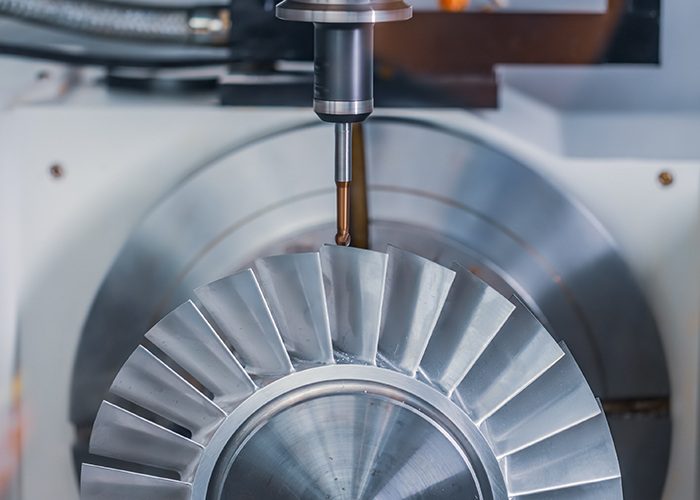
In conclusion, the online CNC milling service is far more than a website to order parts. It is the embodiment of Industry 4.0 principles—cyber-physical integration, data-driven decision-making, and mass customization—made accessible. By weaving a digital thread from the designer’s screen directly to the machine spindle, it has dismantled traditional barriers, accelerated the pace of innovation, and empowered a new generation of creators. It represents a future where manufacturing is not a distant, opaque industry, but a responsive, intelligent utility—fundamentally rewiring how we build the world around us.


