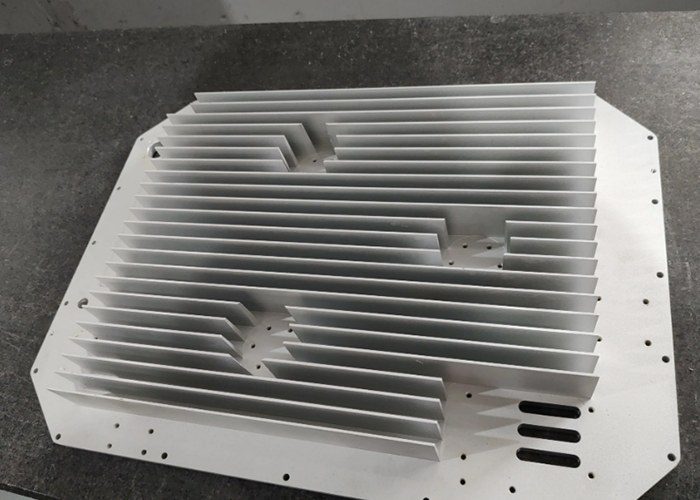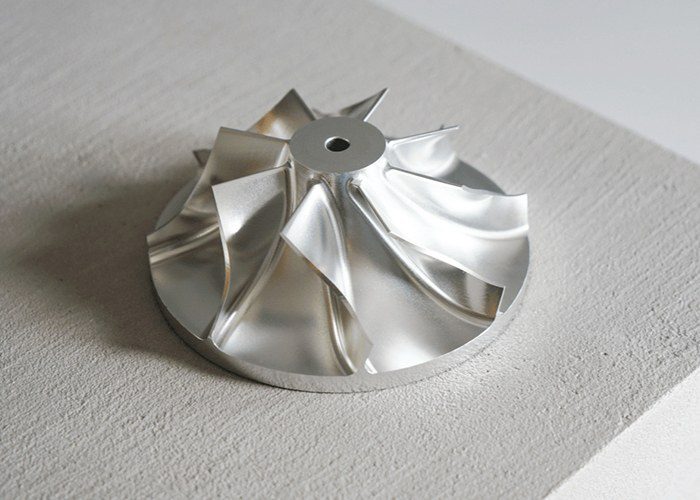
In the realm of modern manufacturing, where precision intersects with material science, CNC machining stands as a pillar of capability and flexibility. When this advanced subtractive process is applied to engineering polymers, particularly nylon, it unlocks a unique domain of possibilities. CNC machining nylon parts is not merely a production step; it is a nuanced alchemy that transforms a versatile synthetic polymer into high-performance, precision components critical across industries.
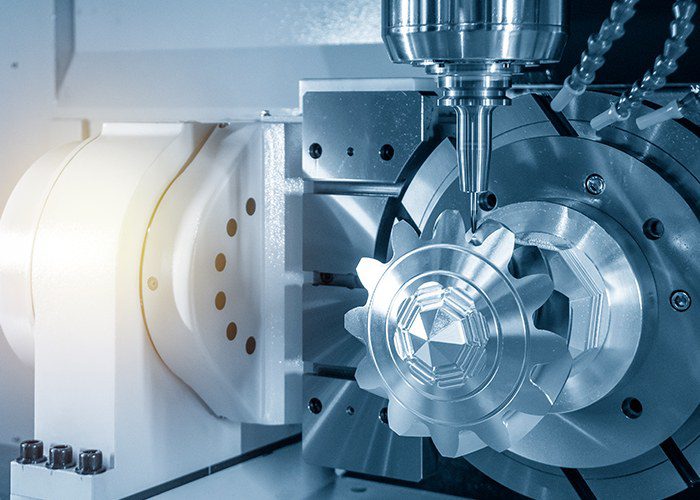
Nylon, or polyamide, is a family of synthetic thermoplastics renowned for an exceptional balance of properties: high strength-to-weight ratio, excellent wear resistance, good chemical resilience, and inherent lubricity. Unlike metals, nylon is lightweight, corrosion-resistant, and operates quietly. These characteristics make it ideal for applications ranging from automotive bushings and electrical insulators to aerospace guides and medical device components. However, nylon’s very virtues present distinct challenges in a CNC machining environment, demanding a specialized approach to harness its full potential.
The journey begins with the raw material—typically nylon rods, plates, or blanks, often in grades like PA 6, PA 66, PA 12, or glass-filled variants. Unlike isotropic metals, nylon is hygroscopic, meaning it absorbs moisture from the air. This can dramatically affect dimensional stability. A meticulously machined part can warp or swell if the material’s moisture content isn’t controlled. Therefore, pre-machining conditioning is paramount. Stock material is often baked in a controlled oven to drive out absorbed moisture and then stored in a dry environment. This crucial, often overlooked step ensures the material behaves predictably under the cutting tool’s edge.
On the CNC machine, the machinist engages in a delicate dance with the material. Nylon’s low thermal conductivity and relatively low melting point pose the primary challenge. The heat generated during cutting doesn’t dissipate quickly; instead, it concentrates at the tool-workpiece interface. Excessive heat can soften the nylon, causing it to gum up on cutting tools, leading to poor surface finishes, dimensional inaccuracy, and tool wear. Consequently, successful machining relies on strategies to manage this heat.
Sharp, highly polished cutting tools are non-negotiable. Uncoated or polished carbide tools are preferred for their sharpness and heat resistance. High-speed steel tools can be used but may wear faster. Tools must have positive rake angles and generous clearance to slice through the material cleanly, shearing rather than tearing, and to facilitate efficient chip evacuation. Dull tools are the nemesis, generating friction and heat, which mar the process.
Cutting parameters require careful calibration. High spindle speeds are employed, but feed rates must be balanced—too slow, and the tool rubs, generating heat; too fast, and it can cause chattering or induce stress. A constant, appropriate feed rate ensures the tool is always cutting, not dwelling. Coolant use is a subject of debate. While some advocate for compressed air or mist coolant to dissipate heat and clear chips, others prefer dry machining with frequent pauses to avoid any chance of the hygroscopic nylon absorbing coolant, which could cause post-machining swelling. The choice often depends on the specific nylon grade and the operation’s tolerance requirements.
The machinist must also account for nylon’s flexibility. While rigid enough for final use, thin-walled sections or delicate features can deflect under cutting forces. This necessitates strategic sequencing of operations, using multiple light finishing passes to achieve final dimensions without distortion. Furthermore, nylon’s tendency to spring back slightly after cutting means that achieving a press-fit tolerance might require machining to a dimension slightly different than one would for metal.
The outcome of this carefully orchestrated process is a part that embodies a remarkable synthesis of properties. A CNC-machined nylon gear, for instance, is strong, lightweight, self-lubricating, and quiet—superior to metal in many non-load-intensive applications. A machined bearing or bushing offers longevity without external grease, ideal for food processing or cleanroom equipment. In prototyping, CNC machining nylon bypasses the need for expensive injection molds, allowing engineers to test functional, durable prototypes in the actual material within days.
Moreover, CNC machining offers design freedom that molding cannot. It allows for low-volume production, rapid design iterations, and the creation of complex geometries, internal channels, or undercuts that would be impossible or prohibitively expensive to mold. For critical applications in robotics, aerospace, or specialty machinery, where a custom, one-off, or small-batch part is needed, CNC machining is the only viable route.
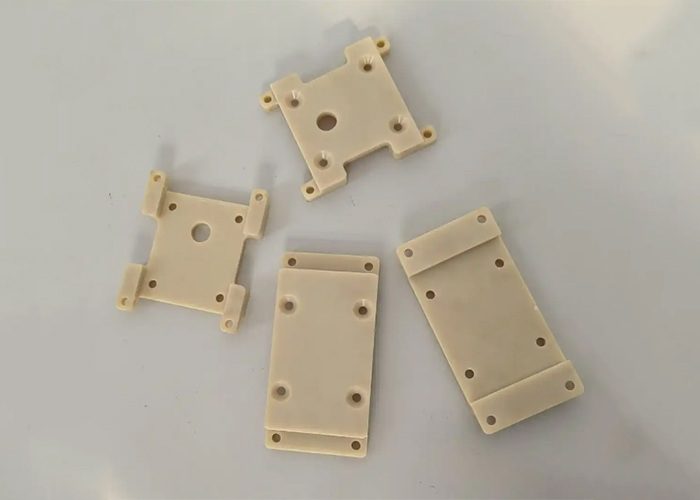
In conclusion, CNC machining nylon parts is a testament to advanced manufacturing’s sophistication. It moves beyond viewing nylon as a simple plastic, treating it instead as a high-performance engineering material. It demands a deep understanding of the material’s idiosyncrasies, a mastery of machining principles, and a meticulous attention to detail. From the conditioning oven to the final pass of a sharp end mill, each step is a calculated move in the quest to transform a humble polymer into a component of resilience, precision, and quiet reliability. It is here, at the intersection of polymer science and digital precision, that nylon finds its highest calling, enabling innovations that are lighter, smoother, and more adaptable to the demands of the modern world.