
In the popular imagination, rapid prototyping is synonymous with additive manufacturing—the layer-by-layer, almost magical accretion of material by 3D printers. This narrative, while compelling, obscures a more established, profoundly capable maestro of speed and precision: CNC machining. Far from being a relic of slow, mass production, CNC machining for rapid prototyping is a discipline of subtractive genius, a process of revealing perfect forms from solid matter with breathtaking efficiency and unrivalled fidelity.
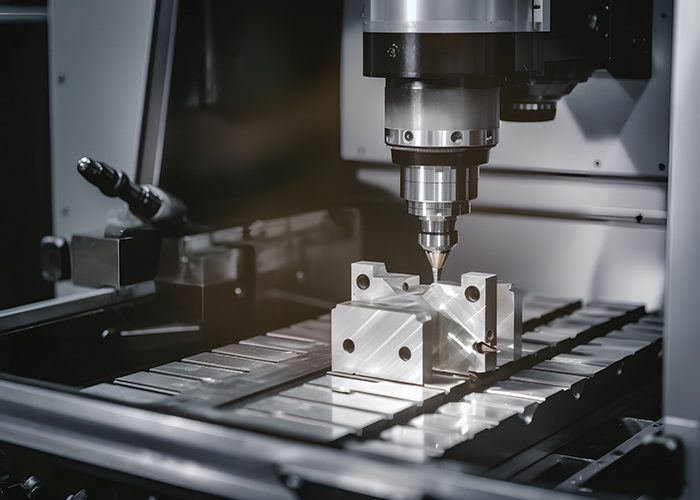
The misconception that CNC is ill-suited for speed stems from a narrow view of the prototyping journey. A prototype is not merely a shape; it is a functional hypothesis, a tactile argument about fit, form, and function. When that argument must be made in the language of end-use materials—aerospace aluminum, medical-grade titanium, or high-strength engineering polymers—CNC machining becomes the undisputed orator. While 3D printing builds in layers, often introducing anisotropic weaknesses and surface textures that betray its method, CNC machining sculpts. It starts with a homogenous block, the very same stock used in final production, and with whirring spindles and razor-sharp tools, it uncovers the component within. The result is not a prototype of the part; in its material, mechanical properties, and surface finish, it effectively is the part. This allows for true functional testing under real-world stresses, fluid dynamics, or thermal cycles, providing validation data of unparalleled integrity.
The rapidity of CNC in this realm is not the speed of making one thing, but the speed of delivering certainty. Modern CNC systems, coupled with advanced Computer-Aided Manufacturing (CAM) software, have dramatically compressed lead times. High-speed machining strategies, employing smaller, faster tools taking lightning-quick light cuts, can now machine complex geometries from hardened steels in hours. The workflow is a symphony of digital continuity: from a refined 3D CAD model, CAM software automatically generates optimal toolpaths, simulating the entire process to prevent collisions and ensure precision. This digital thread means that the first physical iteration is often astonishingly close to perfection, compressing the traditional cycle of “prototype-test-redesign” into a tighter, more decisive loop.
Moreover, CNC machining offers a unique form of agile versatility that additive processes cannot match. A single block of material on a multi-axis machining center can become, in one setup, a prototype incorporating a dizzying array of features—precisely tapped holes, living hinges, optically smooth surfaces, and porous textures. There is no support structure to design or remove, no concerns about warping or curing. The material palette is virtually the entire canon of engineering materials, from wax and foam for conceptual models to Inconel and carbon-fiber composites for ultimate performance. This liberates designers from the “printer-friendly” constraints, allowing them to prototype with the exact material that defines their final product’s essence.
Ultimately, CNC rapid prototyping is a philosophy of precision-as-process. It operates on a principle of definitive removal. Where additive manufacturing is accretive, building possibility from nothing, CNC is reductive, revealing truth from a solid whole. This subtractive process mirrors the intellectual journey of design itself: starting with a block of potential and iteratively removing what is not needed to arrive at the ideal form. In an era obsessed with the new, it champions the virtues of finish, tolerance, and material truth.
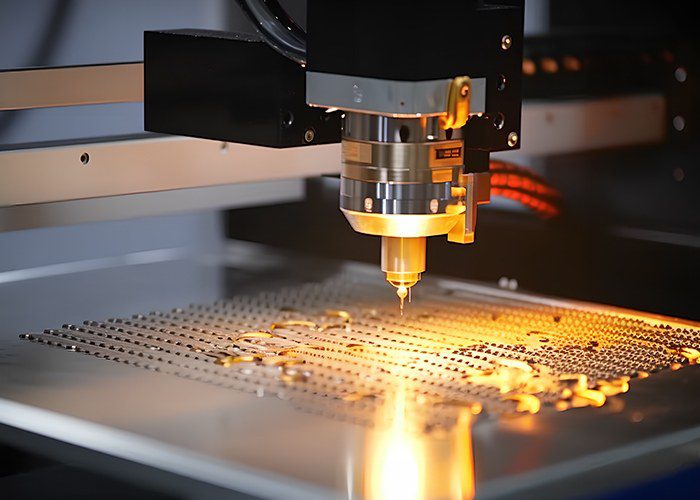
In the silent, cool precision of the machining center, time is not added, but carved away. Chips of excess material fall like seconds counted, each pass of the cutter bringing the future component closer to the present. For the engineer who needs to hold a working mechanism in their hand by tomorrow afternoon, for the designer validating the aerodynamic curve of a new drone, or for the medical team testing a titanium bone implant, CNC machining is not just a rapid prototyping tool. It is a time machine, sculpting the tangible future from the solid now, one impeccable cut at a time.


