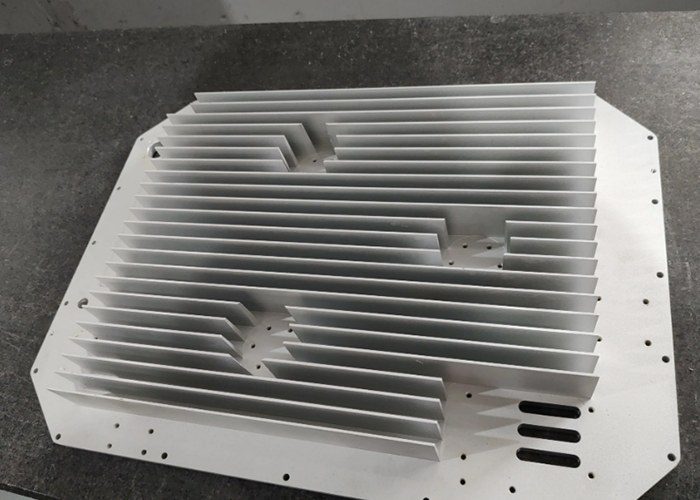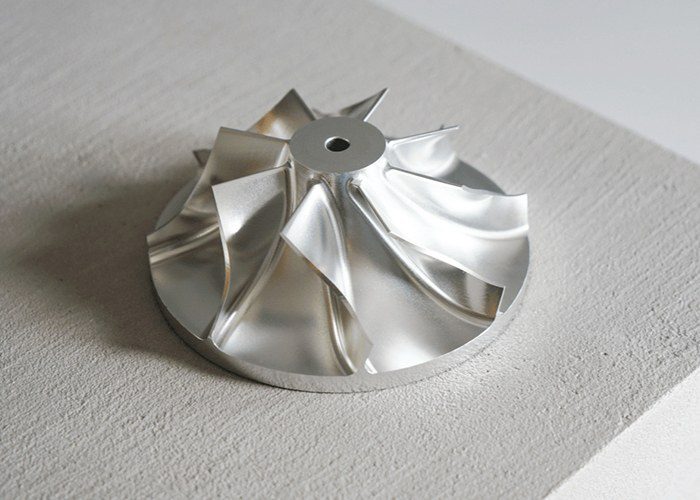
Look around you. The ergonomic curve of your chair’s armrest, the precise heat sink in your laptop, the complex internal fixture in your car’s headlight—chances are, they were born not just in a factory, but in the cloud. This is the silent revolution of online CNC machining, a paradigm that has transformed metal and plastic from raw materials into a language of pure, on-demand possibility. It is not merely a service; it is an invisible architect, reshaping how we conceive, create, and innovate.
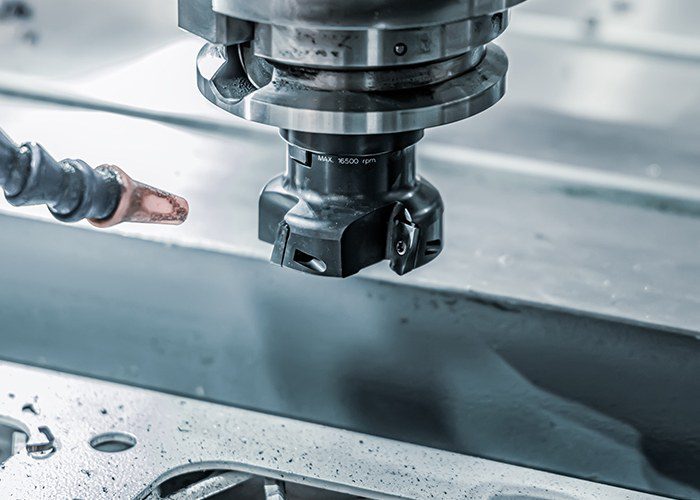
At its core, online CNC machining dematerializes the formidable barrier of physical industrial infrastructure. Traditionally, accessing high-precision Computer Numerical Control machining meant navigating a labyrinth of local machine shops, lengthy quotations, and minimum order quantities that stifled prototyping and small-batch production. Today, it begins with a digital file. An engineer in Stockholm uploads a 3D model of a drone component to a platform’s intuitive interface. With a few clicks, they select from a vast material library—aerospace-grade aluminum, medical PEEK, or tool steel. They define finishes and tolerances. Instantly, AI-driven software analyzes the design for manufacturability, suggesting optimizations to prevent tooling issues. A transparent, automated quote appears, calculated not by a human estimator but by algorithms accounting for machine time, material waste, and setup. The order is placed, and within minutes, the design is parsed into machine code and dispatched to a networked, often fully automated, factory floor halfway across the globe. The physical factory remains, but its gatekeeper is gone.
This digital gateway unleashes a torrent of transformative benefits. Speed is the most palpable. The cycle from idea to part in hand has collapsed from weeks to days. This velocity fuels innovation, allowing for rapid iteration—what designer Tim Brown calls a “build to learn” approach. A startup can test ten design variations of a mechanical enclosure for the cost and time previously spent on one, accelerating product development exponentially. It democratizes manufacturing, placing the same powerful tools used by multinational corporations into the hands of inventors, researchers, and indie hardware developers. A brilliant idea for a robotic prosthetic is no longer constrained by lack of capital for a machine shop; its viability can now be proven with tangible, precision-crafted parts ordered with a credit card.
Furthermore, online CNC platforms have become unexpected custodians of quality and knowledge. By standardizing the process, they enforce a level of consistency and documentation that was once variable. Every material comes with certified mill reports; every machining strategy is optimized for the specific geometry. This creates a reliable, repeatable manufacturing channel. Moreover, these platforms function as vast, collaborative repositories of manufacturing intelligence. The collective data from millions of machined parts continuously trains their systems, making them smarter at predicting challenges and streamlining production for everyone.
Yet, the true profundity of this shift lies in its redefinition of the relationship between design and physicality. It enables a new era of distributed manufacturing. A company can design a product in California, prototype it through an online service, and then, for final production, have the same digital file manufactured locally in European and Asian hubs to reduce shipping costs and carbon footprint. The intellectual property remains digital and secure; the physical instantiation is decentralized and efficient. It also fosters a culture of “cloud inventory,” where components for legacy machinery or niche scientific instruments can be stored as files and machined on-demand, eliminating the waste and cost of physical warehousing.
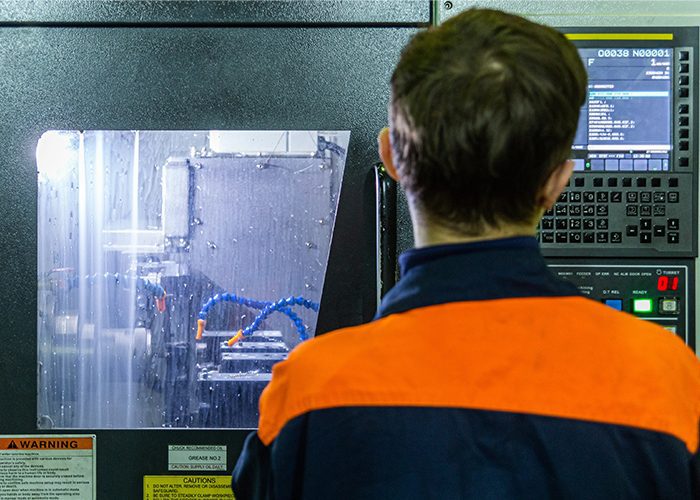
Of course, this new landscape is not without its shadows. The ease of access raises questions about the democratization of potentially dangerous items. The environmental impact, while potentially reduced through localization, must be scrutinized in the lifecycle of material sourcing and energy use in automated facilities. And as with all digital transformations, it disrupts traditional business models and supply chains, demanding adaptation.
Ultimately, online CNC machining is more than a convenient service—it is a foundational layer for the Fourth Industrial Revolution. It is the bridge between the boundless digital realm and the stringent demands of the physical world. By making precision manufacturing a streamlined, software-driven utility, it empowers us to solve problems faster, customize solutions more intimately, and experiment more bravely. It is the unseen architect in the background, quietly turning the bold lines of our imagination into the solid, functional geometry of tomorrow. In a world increasingly defined by bits and atoms, it is the essential translator, ensuring that our most ambitious ideas are not just designed, but definitively built.