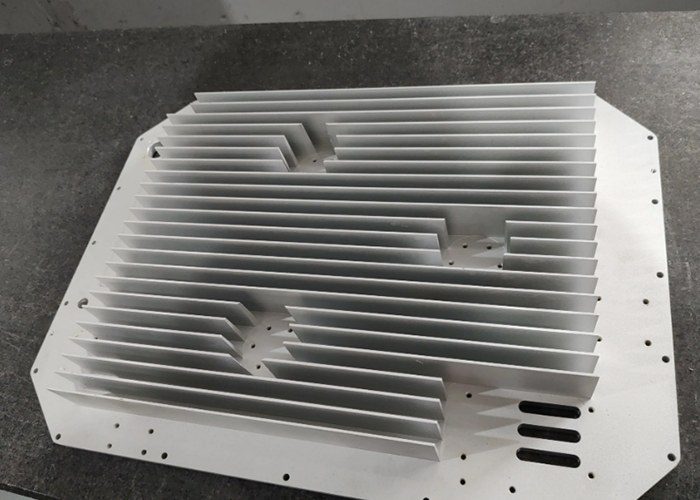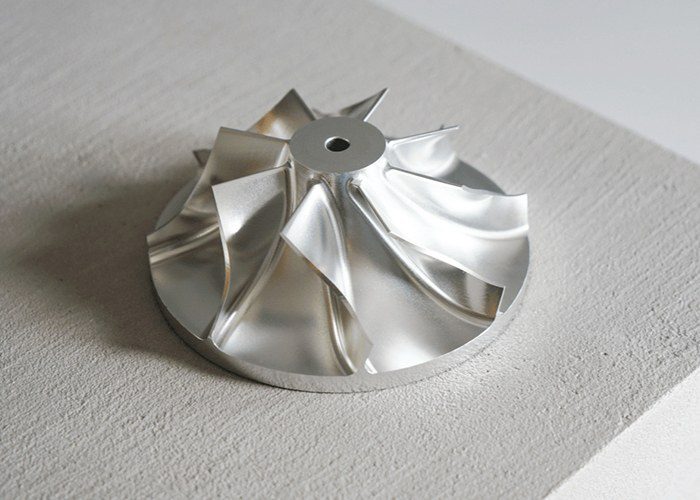
In the ever-evolving landscape of modern manufacturing, the demand for precision, speed, and flexibility has never been higher. While mass production once reigned supreme, the current market trend is shifting toward customization, rapid iteration, and just-in-time delivery. This is where low volume CNC machined parts come into play—a niche that has grown from a prototyping necessity into a strategic manufacturing powerhouse.
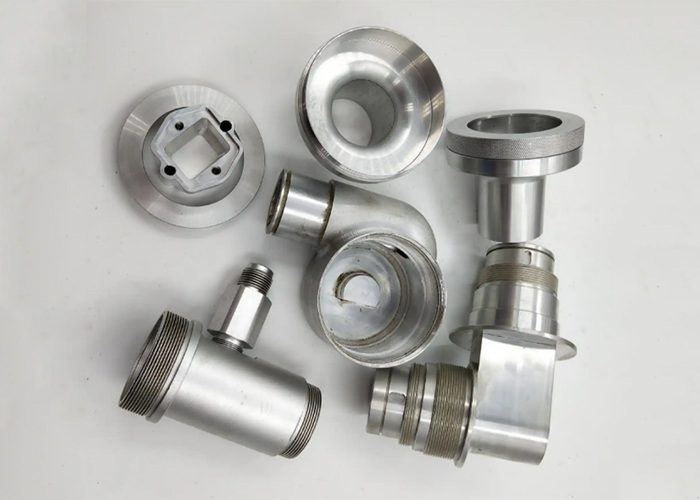
At its core, low volume CNC machining refers to the production of machined components in quantities that typically range from 50 to 10,000 units per year. This volume tier occupies the critical middle ground between one-off prototyping and high-volume mass production. For engineers, product developers, and procurement specialists, understanding the unique value proposition of this production method is essential for modern supply chain optimization.
Agility in Product Development
One of the most compelling arguments for low volume CNC machining is its ability to accelerate product development cycles. When engineers design a new part, they rarely get it perfect on the first try. Low volume production provides the breathing room needed to test, analyze, and iterate without the financial burden of retooling expensive molds or dies. In traditional injection molding, design changes often require new tooling costing tens of thousands of dollars, with lead times stretching into weeks or months. Low volume CNC machining bypasses this entirely. Since the parts are cut directly from solid blocks of material using computer-controlled cutting tools, design modifications can be implemented almost instantly by simply updating the CAD file and G-code. This agility translates directly into faster time-to-market, which can be a decisive competitive advantage in industries like medical devices, aerospace, and automotive electronics.
Cost Efficiency Without Compromise
The cost dynamics of low volume CNC machining are distinctly favorable compared to traditional manufacturing methods. While the per-unit cost is higher than mass-produced injection-molded parts, the total investment is significantly lower for small batches. There are no costly molds to create, no minimum order quantities to meet, and no expensive storage fees for excess inventory. Manufacturers produce exactly what is required, exactly when it is required. This lean approach to production reduces working capital tied up in inventory and minimizes the risk of obsolescence—a critical factor when dealing with high-value materials like titanium, Inconel, or specialized engineering plastics.
Furthermore, the cost savings extend beyond the obvious. In low volume scenarios, design flaws are detected early, preventing costly recalls or rework later in the product lifecycle. The ability to pause production, make adjustments, and resume with minimal disruption is a luxury that traditional mass production methods simply cannot offer.
Superior Material Flexibility
CNC machining is remarkably material-agnostic. Whether you need aluminum, stainless steel, brass, copper, titanium, peek, delrin, or even exotic superalloys, low volume CNC machining can handle it all. This is a stark contrast to processes like injection molding or casting, which often require material-specific tooling and lengthy setup changes. For industries that demand parts with specific mechanical, thermal, or chemical properties, this material flexibility is invaluable. Engineers can select the optimal material for their application without being constrained by process limitations.
Complex Geometries and Tight Tolerances
Low-volume CNC machining also excels at delivering parts with complex geometric forms and stringent precision requirements. Modern 5-axis CNC machines can approach a workpiece from virtually any angle, creating undercuts, deep cavities, and intricate contours that would be impossible or prohibitively expensive with other manufacturing methods. With tolerances routinely held to ±0.001 inches (or even tighter), these parts meet the rigorous demands of critical applications such as aerospace fasteners, surgical instruments, and robotic components. The repeatability of CNC machining ensures that part number 500 is identical to part number 1—a crucial requirement for regulated industries.
Strategic Supplier Selection
However, not all low volume CNC machining services are created equal. When selecting a supplier, companies should evaluate several key factors. Machine capability is paramount—does the shop have 3-axis, 4-axis, or 5-axis milling capabilities? What about turning, grinding, and EDM? Quality certification is equally important; ISO 9001, AS9100 (aerospace), or ISO 13485 (medical) certifications demonstrate a commitment to rigorous quality management systems. Communication and design for manufacturability (DFM) feedback can also make or break a project. The best suppliers act as true partners, offering insights on how to reduce costs, improve part strength, or simplify assembly through thoughtful design modifications.
Overcoming Surface Finish and Secondary Operations
While CNC machining delivers excellent dimensional accuracy, surface finish often requires additional attention. Many low volume parts benefit from secondary operations such as anodizing, passivation, bead blasting, or electropolishing to enhance corrosion resistance, reduce friction, or improve aesthetics. Choosing a supplier with in-house finishing capabilities can streamline the supply chain and reduce lead times significantly. Additionally, the inherent scaling limits of CNC machining—where per-unit cost does not drop significantly with volume—means it is most cost-effective for annual quantities below 10,000 units. For higher volumes, transitioning to casting, forging, or injection molding may become economically viable.
The Future of Low Volume CNC Machining
Looking ahead, the role of low volume CNC machining is set to expand further. Industry 4.0 technologies—including real-time monitoring, predictive maintenance, and AI-driven tool path optimization—are making these machines smarter, faster, and more reliable. Automation via robotic loading systems and pallet changers enables unattended “lights-out” production, further lowering costs and boosting efficiency. For startups, research institutions, and established enterprises alike, the ability to produce high-quality, precision-engineered parts in small quantities will remain a cornerstone of innovation.
Conclusion
Low volume CNC machined parts are far more than just a stepping stone to mass production. They represent a strategic manufacturing philosophy that prioritizes flexibility, quality, and speed. Whether you are developing a groundbreaking medical implant, a critical aerospace component, or a consumer electronics device, this production method provides the precision and control needed to bring your vision to life. In a world where markets demand constant innovation, low volume CNC machining is not just an option—it is a competitive necessity.