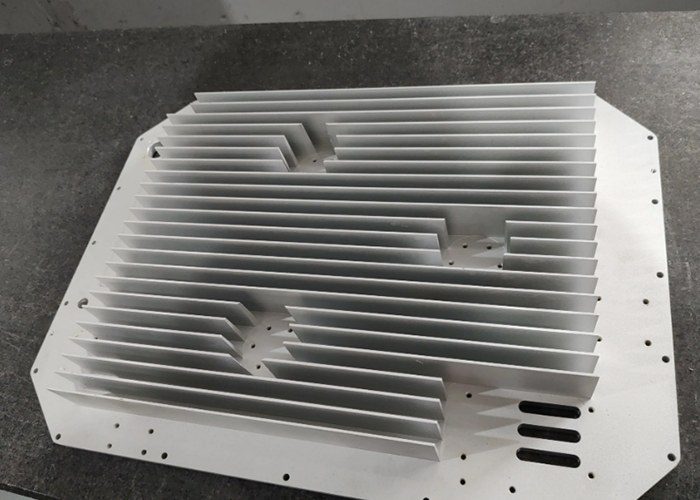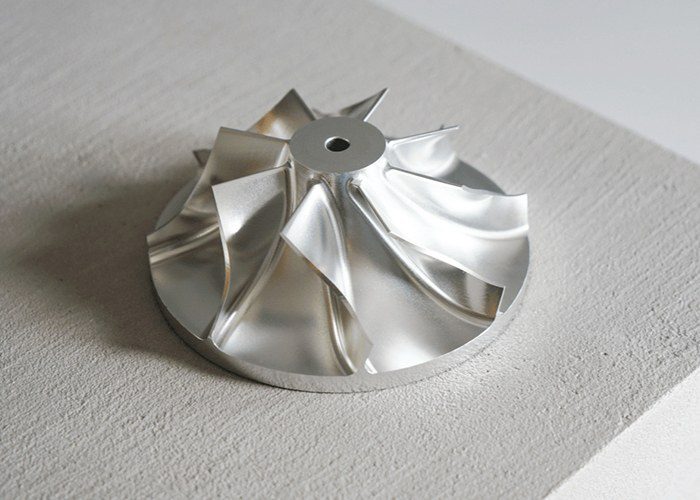
From the skyscrapers that scrape the clouds to the microscopic gears inside a luxury watch, metal components form the silent, sturdy backbone of our modern existence. Often overlooked in an age of plastics and composites, these elements of steel, aluminum, copper, and titanium are the unsung heroes of engineering. They are not merely parts; they are the physical vocabulary through which human ingenuity expresses durability, precision, and strength. Without metal components, the industrial revolution would have stalled, the digital age would lack a physical infrastructure, and our world would be a fragile, transient place.
At its most fundamental level, a metal component is any discrete part made from metallic material that serves a specific function within an assembly. This definition encompasses an astonishing range of objects: a rivet no larger than a grain of rice, a turbine blade subjected to volcanic temperatures, the chassis of an electric vehicle, or the surgical screw that mends a fractured bone. What unites them is not just their material origin, but their ability to withstand forces—tensile, compressive, shear, and torsional—that would shatter ceramics or melt polymers.
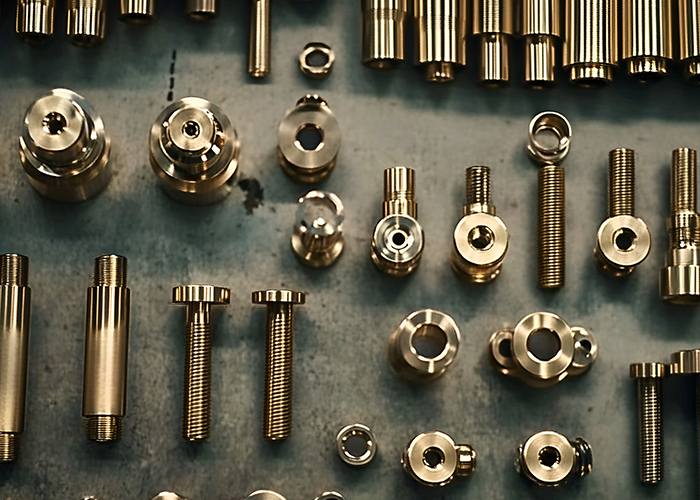
The story of a metal component is a story of transformation. It begins deep within the Earth, where ores containing iron, aluminum, or copper are mined. These raw materials are then smelted, alloyed, and cast into ingots or billets. However, the true magic occurs during secondary manufacturing processes. Here, the metal is coerced into its final shape through a variety of sophisticated methods.
Casting, one of the oldest techniques, involves pouring molten metal into a mold. This method is ideal for creating complex geometries, from engine blocks to decorative hardware. Forging, in contrast, uses compressive force to shape metal while it is hot and malleable. This process aligns the metal’s internal grain structure, resulting in components of exceptional strength—think of connecting rods in a car engine or railway wheels. Machining, the art of subtraction, uses lathes, mills, and drills to carve away excess material from a solid block, achieving tolerances measured in microns. And then there is stamping and sheet metal fabrication, which transform flat coils into everything from smartphone frames to the fuselage of an airliner.
The selection of the right metal for a component is a high-stakes balancing act. Engineers must weigh factors like strength-to-weight ratio, corrosion resistance, thermal and electrical conductivity, and cost. Low-carbon steel, for instance, is the workhorse of construction—cheap and strong, but prone to rust. Stainless steel, with its chromium armor, sacrifices a degree of formability for immortality in the face of moisture, making it essential for medical tools and kitchenware. Aluminum, light and naturally oxidizing, has conquered the aerospace and automotive industries, while copper, with its unmatched electrical conductivity, weaves the invisible network of global power grids. For the most demanding environments—chemical plants, jet engines, bone replacements—exotic alloys like Inconel or titanium step in, offering performance at a premium price.
Consider the automotive industry, a cathedral of metal components. A single modern car contains roughly 30,000 parts, most of which are metal. The engine block, cast from iron or aluminum, must contain explosions thousands of times per minute. The pistons, often forged from aluminum alloy, slide within cylinders with clearances thinner than a human hair. The transmission gears, case-hardened steel, mesh with microscopic precision to transfer power. Even the humble bolt, threaded and torqued, must maintain its clamp load against relentless vibration. A failure in any single one of these metal components can cascade into catastrophic engine failure.
Beyond heavy industry, the world of electronics relies on metal components at a microscopic scale. Solder, a tin-lead or tin-silver-copper alloy, forms the conductive joints that bind chips to circuit boards. Spring contacts, stamped from beryllium copper, provide the reliable electrical interfaces in your smartphone’s charging port. The shielding inside a laptop is often a thin stamped piece of steel or copper, there to block electromagnetic interference. Even the billions of transistors on a silicon chip are connected by layers of copper or tungsten—metal components invisible to the naked eye, yet essential to computation.
The manufacturing of metal components is also undergoing a quiet revolution. Additive manufacturing, or 3D printing, has broken free from the constraints of traditional subtractive methods. Laser powder bed fusion can now build complex lattice structures in titanium that are impossible to machine. A fuel injector nozzle for a rocket engine, once assembled from dozens of individually machined parts, can now be printed as a single, seamless metal component—lighter, stronger, and more reliable. This technology is redefining what is geometrically possible.
However, the production and use of metal components carry an environmental weight. Mining and smelting are energy-intensive and generate significant CO₂ emissions. The industry is responding with circular manufacturing models. Steel and aluminum are among the most recycled materials on Earth; a steel beam can be melted and recast into a new component with minimal loss of properties. Electric arc furnaces powered by renewable energy are beginning to produce “green steel.” Moreover, lightweighting—designing components to use less metal without sacrificing strength—directly reduces fuel consumption in transport.
In conclusion, metal components are far more than simple pieces of hardware. They are the encoded solutions to physical challenges. A gear is a solution for torque transmission. A spring is a solution for energy storage. A bearing is a solution for friction reduction. Every nut, every bracket, every impeller embodies decades of metallurgical science and mechanical engineering. As we look toward future frontiers—hypersonic travel, deep-sea exploration, fusion energy—our demands on metal components will only intensify. They will need to be stronger at higher temperatures, more resistant to corrosion, and lighter than ever before. And metallurgists and engineers will answer, as they always have, by reimagining the microstructures of these silent, steadfast guardians of civilization. Without them, our world would not just be different; it would be impossible.