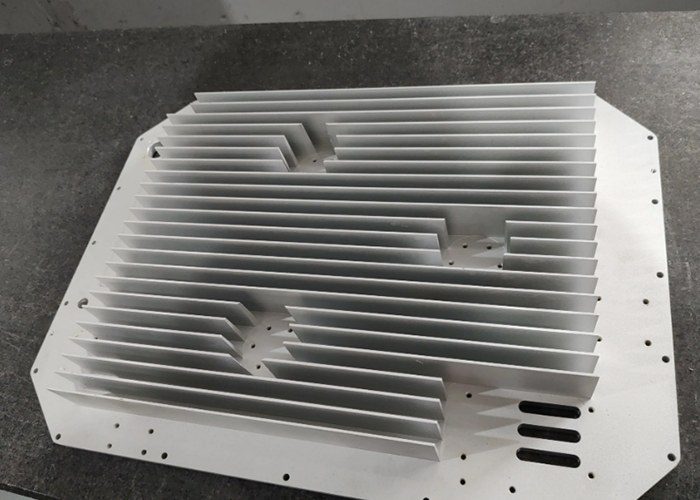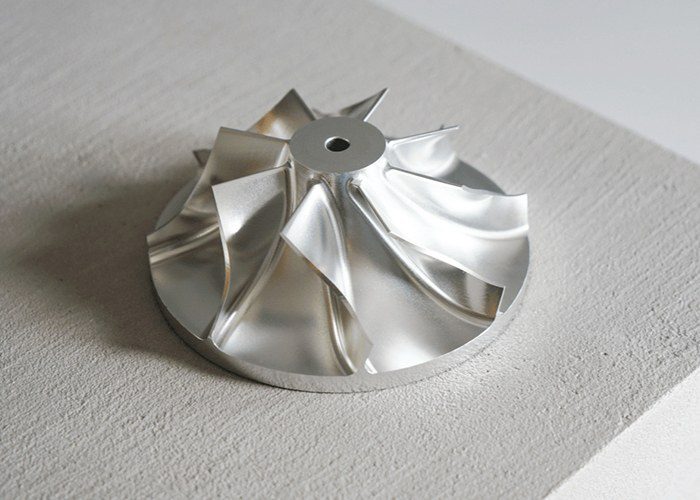
In modern manufacturing, mill processing parts are indispensable. From tiny medical instruments to large aerospace brackets, these components are produced by removing material with rotating cutting tools. Milling is a subtractive process, and when it is computer numerically controlled (CNC), it becomes one of the most accurate and repeatable ways to create complex shapes. Companies rely on mill processing parts for prototypes, bridge production, and full-scale manufacturing because the process handles tight tolerances, varied materials, and demanding geometries.
What Are Mill Processing Parts?
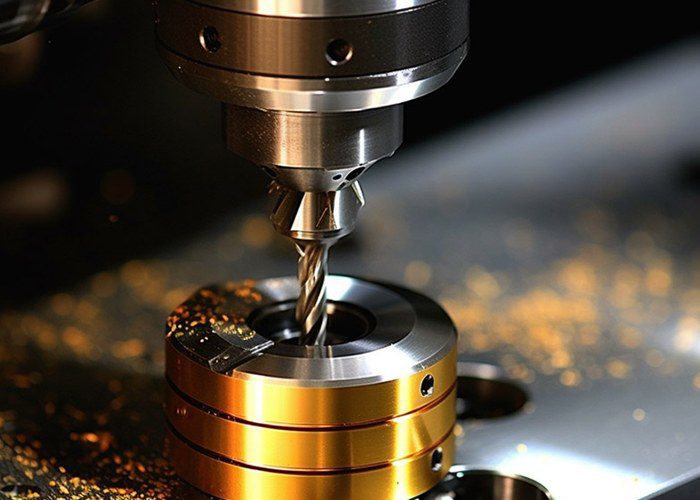
Mill processing parts are finished or semi-finished components created by milling machines. A milling cutter rotates while the workpiece moves or stays fixed, depending on the machine configuration. The cutter removes material to form slots, pockets, holes, threads, flats, contours, and three-dimensional surfaces. CNC milling uses programmed instructions to control speed, feed, depth, and tool paths. This makes mill processing parts highly consistent, even when thousands of identical pieces are needed. The process can be applied to a single prototype or a high-mix, low-volume production run.
Materials Used for Mill Processing Parts
Material choice shapes performance and cost. Common metals include aluminum, carbon steel, stainless steel, brass, copper, titanium, and nickel alloys. Aluminum is light, machinable, and corrosion-resistant when treated. Stainless steel offers strength and hygiene for medical and food equipment. Titanium provides high strength-to-weight ratio for aerospace. Plastics such as ABS, POM, PTFE, polycarbonate, nylon, and acrylic are also milled for insulators, covers, and lightweight parts. The right material depends on mechanical load, temperature, chemical exposure, weight limits, and budget.
Common Milling Processes
Several milling methods produce mill processing parts. Face milling creates flat surfaces. Peripheral milling cuts along the side of the cutter. End milling is used for slots, pockets, and profiles. Thread milling forms internal or external threads. Contour milling follows curved shapes. Plunge milling removes material in difficult areas. Climb milling and conventional milling affect surface finish and tool wear. Machines range from three-axis to five-axis. Five-axis milling allows complex angles and undercuts in fewer setups, improving accuracy and reducing lead time.
Key Advantages
Mill processing parts offer excellent precision. Tolerances can reach ±0.001 inches or tighter, depending on the machine and material. Complex geometry is possible without expensive molds. Surface finishes can be smooth enough for sealing or cosmetic use. The process supports rapid prototyping and design changes. It is cost-effective for low to medium volumes, and it scales to production with consistent quality. Because no dedicated tooling is required, manufacturers can produce different part numbers on the same equipment.
Industries and Applications
Mill processing parts appear in nearly every sector. Aerospace uses them for brackets, housings, engine components, and structural fittings. Automotive relies on them for engine blocks, transmission cases, fixtures, and prototype vehicle parts. Medical devices use milled components for surgical instruments, implant prototypes, device enclosures, and fluid manifolds. Electronics benefit from heat sinks, connector housings, and chassis. Industrial machinery uses milled plates, valves, gears, and custom fixtures. Energy, robotics, defense, and consumer products also depend on precision milling.
Design Considerations
Designing mill processing parts requires attention to manufacturability. Engineers should provide a clear 3D CAD model and 2D drawing with critical tolerances. Deep pockets, sharp internal corners, and long thin walls increase cost and risk. Adding fillets, selecting standard thread sizes, and allowing tool access improve results. The choice of datum and workholding affects accuracy. Surface finish and heat treatment should be specified only where needed. Early supplier feedback through design for manufacturing (DFM) can reduce cost and avoid production delays.
Quality Control and Standards
Quality control is essential for mill processing parts. Manufacturers use calipers, micrometers, height gauges, optical comparators, and coordinate measuring machines (CMMs) to verify dimensions. Surface roughness testers check finish. First article inspection confirms the process before full production. Certifications such as ISO 9001, AS9100, ISO 13485, and IATF 16949 show that a supplier meets industry-specific requirements. Inspection reports and material certificates provide traceability.
Choosing a Manufacturer
Selecting the right partner for mill processing parts involves more than price. Look for experience with your material and tolerance range. Check machine capacity, including three-, four-, and five-axis capabilities. Ask about prototyping, finishing, assembly, and inventory support. Review certifications and quality records. Confirm lead times and communication channels. A reliable manufacturer will offer transparent quoting, DFM advice, and consistent documentation. This partnership protects schedules and ensures every batch meets specification.
Finishing and Post-Processing
Many mill processing parts need finishing. Anodizing improves aluminum corrosion resistance and appearance. Plating adds conductivity or wear resistance. Powder coating provides durable color. Heat treatment adjusts hardness and strength. Passivation cleans stainless steel. Polishing, bead blasting, and laser engraving improve function or branding. Post-processing should be planned early because it can affect dimensions and lead time.
Future Trends
The future of mill processing parts is digital and automated. CNC machines connect to factory networks, enabling real-time monitoring and predictive maintenance. Automation and robotics support lights-out manufacturing. AI optimizes tool paths and cutting parameters. Hybrid machines combine milling with additive manufacturing. Micro milling creates tiny features for medical and electronic devices. Sustainable machining reduces waste, energy use, and coolant consumption. These trends will make mill processing parts faster, smarter, and more precise.
Conclusion
Mill processing parts are more than machined metal or plastic. They are precision solutions that keep industries moving. From a single prototype to thousands of production units, milling delivers strength, accuracy, and flexibility. By understanding materials, processes, design rules, quality standards, and supplier capabilities, engineers can get better results. Whether for aerospace, medical, automotive, or electronics, mill processing parts remain a cornerstone of modern manufacturing.