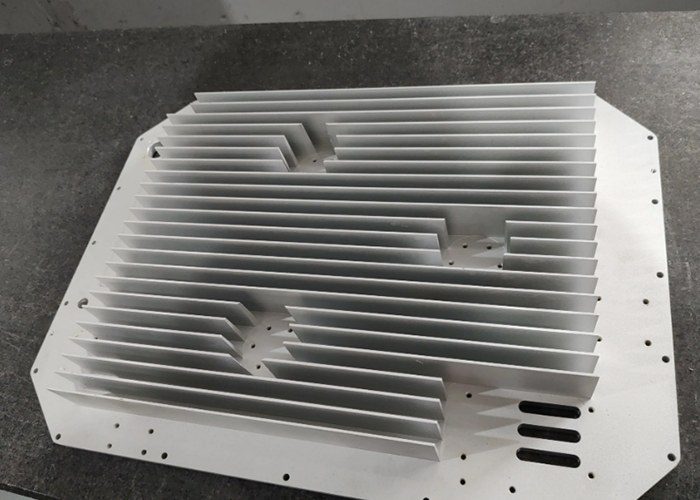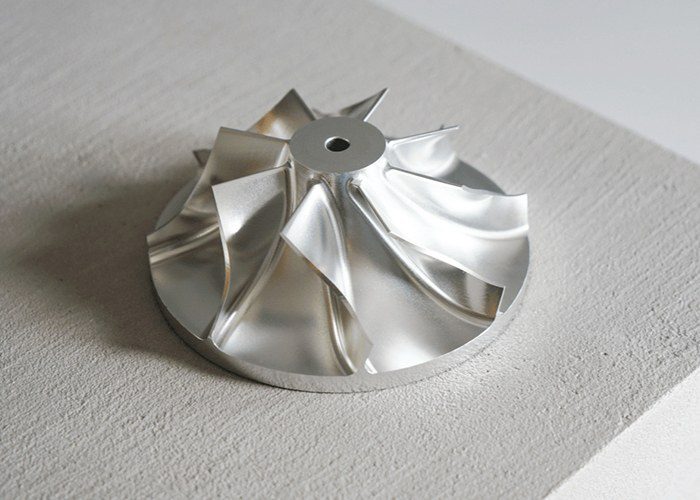
In modern manufacturing, the demand for accurate, durable, and repeatable components is greater than ever. Provided CNC milling parts sit at the center of this demand. From aerospace brackets to medical device housings, CNC milling transforms raw metal and plastic into highly precise parts that keep machines, vehicles, and equipment running. When a supplier offers provided CNC milling parts, it means the company manages the entire process: programming, machining, inspection, finishing, and delivery. This article explains what these parts are, how they are made, and how to choose the right manufacturing partner.
What Are Provided CNC Milling Parts?
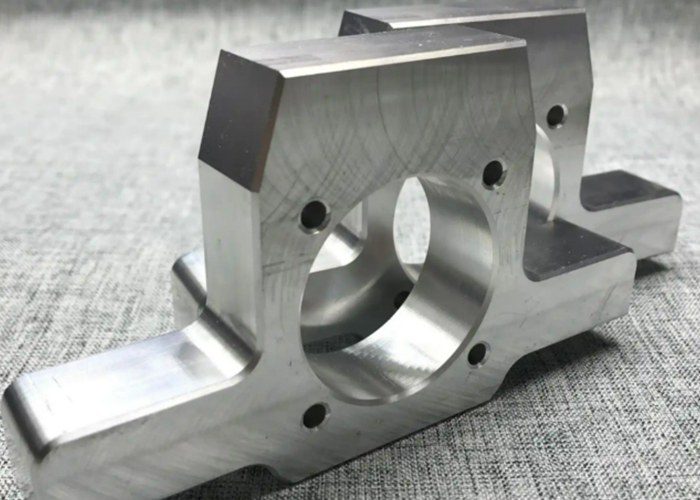
Provided CNC milling parts are custom components produced through computer numerical control (CNC) milling. In this subtractive process, rotating cutting tools remove material from a solid block until the desired shape is achieved. The “provided” aspect emphasizes that the customer receives a finished, ready-to-use part, not just a machining service. A reliable supplier can provide CNC milling parts in prototype quantities, low-volume production runs, or high-volume orders. Each part is programmed from a CAD model, machined to tight tolerances, and inspected before shipping. This makes provided CNC milling parts ideal for engineers who need consistent quality without managing multiple vendors.
Why CNC Milling Remains a Top Choice
CNC milling offers excellent versatility. It can create complex geometries, sharp corners, slots, threads, pockets, and fine surface finishes. Unlike casting or forging, milling does not require expensive tooling for every design change. That makes it perfect for prototypes and bridge production. Multi-axis CNC machines, including 3-, 4-, and 5-axis centers, can machine parts from multiple angles in a single setup. This reduces handling errors and improves accuracy. For industries where failure is not an option, provided CNC milling parts deliver the strength and reliability that mass-produced alternatives often cannot match.
Materials for Provided CNC Milling Parts
The material choice depends on the application. Common metals include aluminum alloys, stainless steel, carbon steel, brass, copper, titanium, and tool steel. Aluminum is lightweight, corrosion-resistant, and easy to machine, making it popular for electronics enclosures and automotive components. Stainless steel offers strength and corrosion resistance for medical and food-processing equipment. Titanium is used in aerospace and medical implants because of its high strength-to-weight ratio. Plastics such as ABS, polycarbonate, POM, PTFE, and PEEK are also milled for insulating parts, seals, and prototypes. A professional supplier will help select the right material based on load, temperature, chemical exposure, and budget.
Tolerances, Finishes, and Quality Control
Precision is the main reason customers buy provided CNC milling parts. Typical tolerances range from +/-0.01 mm to +/-0.05 mm, depending on part size and material. Surface finishes can be as-machined, bead-blasted, anodized, powder-coated, polished, or plated. Quality control is critical. A good manufacturer uses calibrated micrometers, calipers, height gauges, and coordinate measuring machines (CMMs) to verify dimensions. First article inspection, in-process checks, and final inspection ensure every batch meets specifications. Certificates of conformance and material traceability add further confidence. When provided CNC milling parts pass these checks, they reduce assembly problems and field failures.
Industries That Rely on Provided CNC Milling Parts
Many sectors depend on CNC milling. Aerospace uses lightweight structural parts, brackets, and engine components. Automotive uses fixtures, prototypes, and performance parts. Medical uses surgical instruments, implant components, and diagnostic equipment. Electronics uses heat sinks, housings, and connectors. Robotics and automation use grippers, mounts, and precision frames. Energy, defense, and marine industries also rely on milled parts for harsh environments. Because CNC milling works with a wide range of materials and geometries, it supports innovation across nearly every engineering field.
Custom vs. Standard Provided CNC Milling Parts
Some buyers need standard replacement parts, while others need fully custom designs. Provided CNC milling parts can be either. Custom parts are machined from a customer’s 3D CAD files and 2D drawings. Standard parts may be produced from existing designs or samples. In both cases, clear communication is essential. The supplier should review the design for manufacturability, suggest cost-saving changes, and confirm critical dimensions. Prototyping allows form, fit, and function testing before full production. Once approved, the same program and fixtures are used for repeat orders, ensuring consistency.
How to Choose a Supplier
When selecting a partner for provided CNC milling parts, look beyond price. Check machining capabilities, maximum part size, axis count, tolerance range, and available materials. Ask about lead times, minimum order quantities, and finishing services. Review quality certifications such as ISO 9001, AS9100, or ISO 13485 if your industry requires them. A good supplier offers engineering support, fast quotes, and transparent communication. Request samples or past project examples. Reliability matters: a missed deadline can stop an entire production line. The best providers act as an extension of your engineering team.
Cost and Lead Time Considerations
Costs for provided CNC milling parts depend on material, complexity, tolerance, quantity, and finish. Simple parts in aluminum may be inexpensive, while tight-tolerance titanium components cost more. Higher quantities usually lower the per-part price because programming and setup are spread across more units. Lead times vary from a few days for prototypes to several weeks for production. To save time, provide complete CAD files, specify critical dimensions, and avoid unnecessary tolerances. Working with an experienced supplier helps balance cost, quality, and speed.
Conclusion
Provided CNC milling parts are more than machined metal or plastic. They are engineered solutions that keep modern products safe, efficient, and competitive. From rapid prototypes to production runs, CNC milling offers precision, flexibility, and material choice. By understanding materials, tolerances, finishes, and supplier capabilities, buyers can make better decisions. Whether you need one custom bracket or thousands of precision components, choosing the right manufacturing partner for provided CNC milling parts is an investment in quality, reliability, and long-term success.