In the vast ecosystem of modern manufacturing, few processes are as fundamental and versatile as the creation of metalworking milling parts. From the engine block of your car to the critical components of an aircraft, milling is the subtractive manufacturing process that brings complex designs to life with unparalleled precision. This article explores the intricacies of metalworking milling parts, delving into the process, materials, applications, and the technological trends shaping their future.

At its core, milling is a machining operation where a rotating cylindrical tool with multiple cutting edges is fed against a stationary workpiece. This process is highly effective for producing plane, form, or profile surface geometries. The two primary types of milling operations are peripheral milling, where the tool’s axis is parallel to the surface, and face milling, where the axis is perpendicular. Today, this operation is almost exclusively performed using Computer Numerical Control (CNC) machines. The CNC milling process begins with a computer-aided design (CAD) model, which is then translated into machine instructions via computer-aided manufacturing (CAM) software. The CNC machine then follows these programmed sequences to remove material, creating intricate and highly repeatable parts. This automation allows for the production of parts with complex geometries and tight tolerances that would be impossible to achieve through manual operation.
The versatility of CNC milling is further demonstrated by the vast range of materials it can process. Common materials include various grades of aluminum, such as 6061 and 7075, which are favored for their excellent strength-to-weight ratio and machinability. Steel, including stainless steel grades like 303, 304, and 316L, is another staple, valued for its durability and corrosion resistance. For high-performance applications, materials like titanium and specialized alloys are used. The choice of material is critical as it directly influences the part’s durability, performance, and cost.
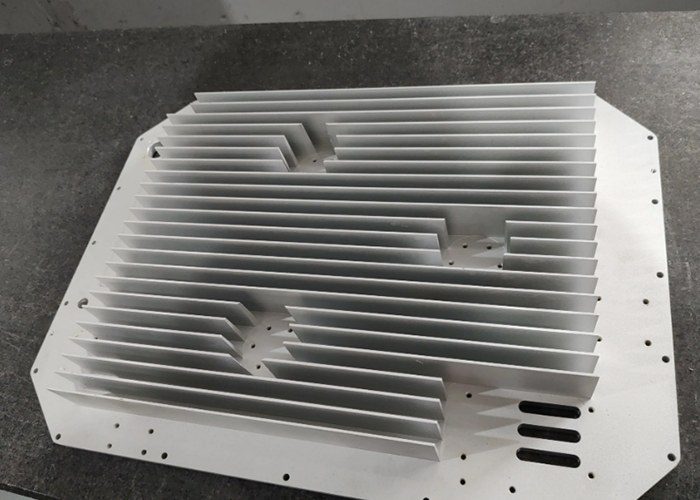
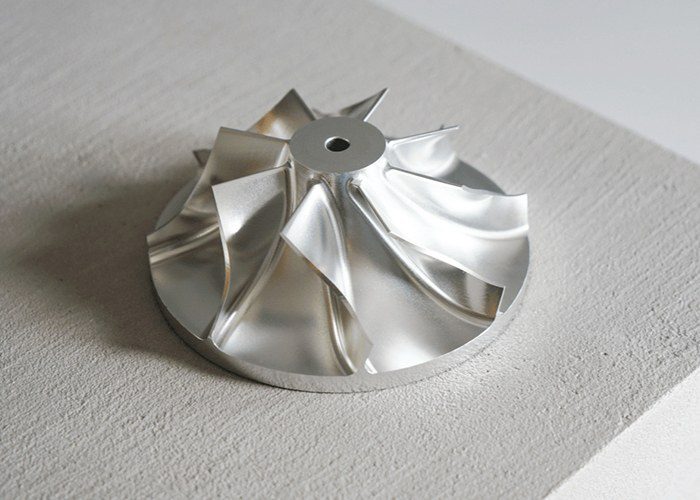
The applications of metalworking milling parts are pervasive across nearly every industry. In the automotive sector, milling is essential for manufacturing engine blocks, transmission housings, and various brackets. The aerospace industry relies on milling to produce lightweight, high-strength components like wing structures, fuselage parts, and turbine blades, where precision is a matter of safety. The medical field also depends on CNC milling for surgical instruments, implants, and prosthetics, where the high level of precision required is paramount. Beyond these, milling parts are found in everything from electronics enclosures and heat sinks to consumer products and robotics.
Given the critical nature of these applications, quality control in milling is non-negotiable. The inspection process for milled parts is rigorous, involving checks for dimensional tolerance using micrometers, fit tolerance using limit plug gauges, and geometric tolerance. Advanced inspection methods, such as high-resolution optical measurement and 3D scanning, are increasingly used to ensure even the most complex microstructures meet specifications. This commitment to quality ensures that parts not only fit together perfectly but also perform reliably under demanding conditions.
The industry is not static, and several key trends are shaping the future of metalworking milling parts. One major trend is the move towards automation and “lights-out” manufacturing to address the skilled labor shortage. This involves using pallet-equipped horizontal machining centers that can run unattended. Another significant development is the rise of hybrid manufacturing, which combines additive manufacturing (3D printing) with subtractive CNC milling. This approach allows for the creation of complex near-net shapes that are then finished to tight tolerances, combining design freedom with precision. Furthermore, the integration of artificial intelligence is enhancing the process through predictive maintenance and optimized tool paths, reducing downtime and improving efficiency. The global market for CNC precision parts reflects this growth, with projections showing an increase from USD 8.8 billion in 2025 to USD 14.5 billion by 2032.
In conclusion, metalworking milling parts are the unsung heroes of the modern world. The combination of advanced CNC technology, a wide array of materials, and stringent quality control allows for the creation of components that are essential to our daily lives and critical industries. As technology continues to evolve with automation, hybrid processes, and AI, the capabilities and applications of milling will only expand, solidifying its role as a cornerstone of precision manufacturing for decades to come.