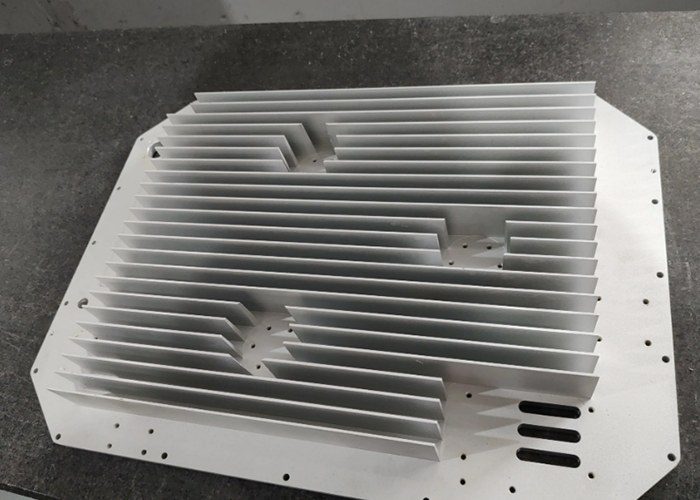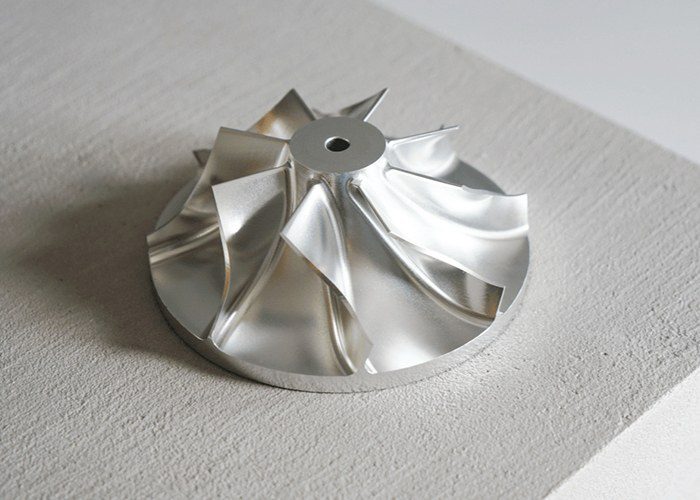
In today’s fast-paced industrial world, the demand for highly accurate, durable, and complex machined components is greater than ever. From aerospace and medical devices to automotive and electronics, virtually every advanced industry relies on precision-machined parts. At the heart of this demand lies the CNC precision turning shop—a specialized facility where raw materials are transformed into critical components with tolerances measured in microns. This article explores what a CNC precision turning shop is, how it operates, its key capabilities, and why it remains indispensable in modern manufacturing.
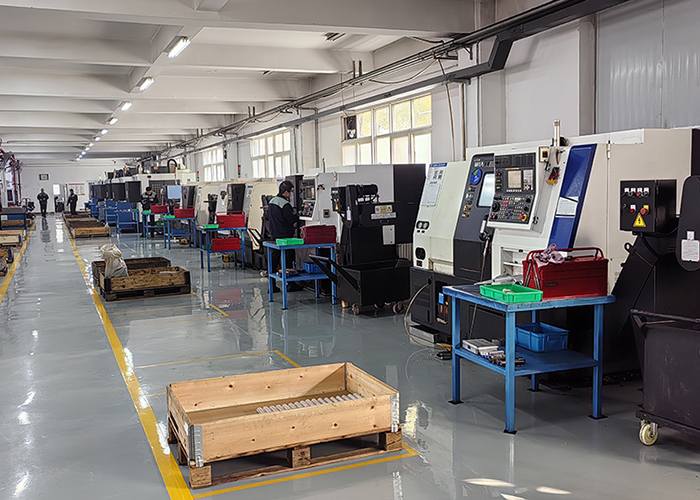
What Is a CNC Precision Turning Shop?
A CNC precision turning shop is a manufacturing facility that uses computer numerical control (CNC) lathes to produce cylindrical or rotationally symmetrical parts. Unlike conventional manual turning, CNC turning relies on pre-programmed computer code to control the movement of cutting tools, resulting in unmatched repeatability, speed, and accuracy. The term “precision” indicates that these shops work within very tight tolerances—often ±0.001 inches (0.025 mm) or even tighter—making them suitable for applications where even the slightest deviation could cause failure.
Core Equipment and Technologies
A typical CNC precision turning shop is equipped with a range of advanced machinery. The most common are CNC lathes, which can be horizontal or vertical. Many modern shops also use Swiss-type lathes, which are ideal for small, complex parts with high length-to-diameter ratios. Live tooling allows turning centers to perform milling, drilling, and tapping operations in a single setup, reducing lead times and improving accuracy.
Supporting equipment includes coordinate measuring machines (CMMs), optical comparators, and surface roughness testers. These quality control tools ensure that every part meets the customer’s specifications. Additionally, CAD/CAM software is used to design parts and generate toolpaths, bridging the gap between engineering drawings and finished products.
The Precision Turning Process
The process begins with a customer’s drawing or 3D model. Engineers at the shop review the design for manufacturability, selecting the appropriate material—such as aluminum, stainless steel, brass, titanium, or engineering plastics. A CNC program is then created and simulated to verify tool movements.
During machining, a bar stock or cast blank is fed into the lathe. As the material rotates, single-point cutting tools remove material to create the desired shape. Coolant is applied to manage heat and extend tool life. Depending on complexity, parts may undergo multiple operations, including turning, facing, grooving, threading, and parting off.
After machining, parts are deburred, cleaned, and inspected. Statistical process control (SPC) is often used to monitor consistency. If any dimension falls outside the tolerance, the process is adjusted immediately.
Why Precision Matters
Precision turning is critical because many industries cannot tolerate imperfections. In aerospace, a fuel injector component with a 0.0005-inch error could cause engine inefficiency or failure. In medical devices, a surgical instrument’s thread must mate perfectly to avoid patient risk. In automotive, transmission shafts must be perfectly balanced to prevent vibration and wear.
A reputable CNC precision turning shop invests in calibration, training, and continuous improvement to maintain these standards. Certifications such as ISO 9001, AS9100 (aerospace), and ISO 13485 (medical) demonstrate a shop’s commitment to quality.
Advantages of Working with a CNC Precision Turning Shop
- High Accuracy and Repeatability – CNC machines produce identical parts thousands of times without deviation.
- Complex Geometries – Multi-axis turning centers can create intricate features that manual machining cannot.
- Fast Turnaround – Once programmed, production is rapid, especially for high-volume orders.
- Material Versatility – Shops can machine metals, plastics, and exotic alloys.
- Cost Efficiency – Reduced labor, less waste, and fewer secondary operations lower overall costs.
- Scalability – From prototype to full production, a good shop scales with your needs.
Challenges Facing CNC Precision Turning Shops
Despite their advantages, these shops face challenges. Skilled machinists and programmers are in short supply. Equipment is expensive, and keeping up with new tooling and software requires continuous investment. Global competition pressures pricing, while customers demand ever-tighter tolerances and faster delivery. To thrive, shops must embrace automation, such as bar feeders and robotic loading, and adopt digital manufacturing technologies like IoT-enabled monitoring.
Choosing the Right CNC Precision Turning Shop
When selecting a partner, consider:
- Experience in your industry
- Certifications and quality management systems
- Equipment list – does it include Swiss lathes, live tooling, and CMMs?
- Lead times and on-time delivery record
- Communication and engineering support
- Pricing transparency
A shop that collaborates with you from design to delivery will save time and money.
The Future of CNC Precision Turning
Industry 4.0 is reshaping precision turning. Shops are integrating sensors, data analytics, and AI to predict tool wear and optimize cutting parameters. Automation is reducing human error and enabling lights-out manufacturing. Additive manufacturing is sometimes combined with turning for hybrid processes. Sustainability is also gaining attention, with shops recycling chips and using minimum quantity lubrication.
Conclusion
The CNC precision turning shop is more than a workshop—it is a critical link in the global supply chain. It turns raw metal into the components that keep airplanes flying, medical devices saving lives, and automobiles running efficiently. By understanding what these shops do, how they work, and what to look for, businesses can partner effectively and gain a competitive edge. As technology advances, the precision turning shop will continue to evolve, but its core mission remains unchanged: delivering accuracy, reliability, and quality, one part at a time.