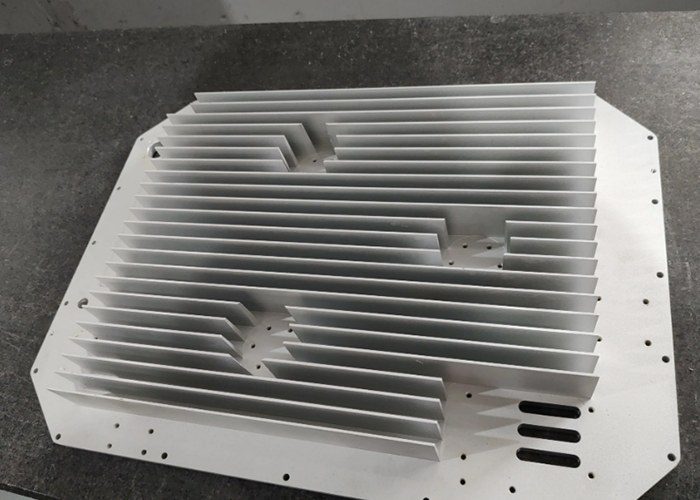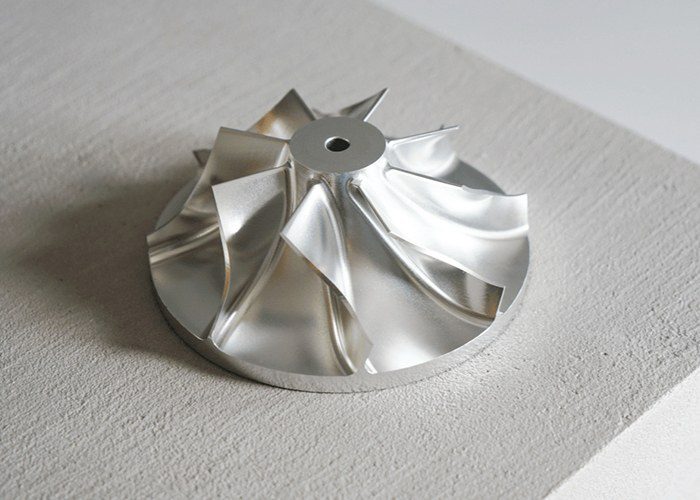
In an age dominated by rapid technological advancement, additive manufacturing, and smart factories, it is easy to overlook the foundational processes that keep modern industry running. Among these, the traditional CNC turning service stands as a pillar of precision engineering. While the term “traditional” might evoke images of manual lathes and hand-cranked machinery, in the context of modern manufacturing, it refers to the well-established, highly refined subtractive process of CNC (Computer Numerical Control) turning. This service remains indispensable for producing accurate, durable, and cost-effective cylindrical components across virtually every sector, from aerospace to medical devices.
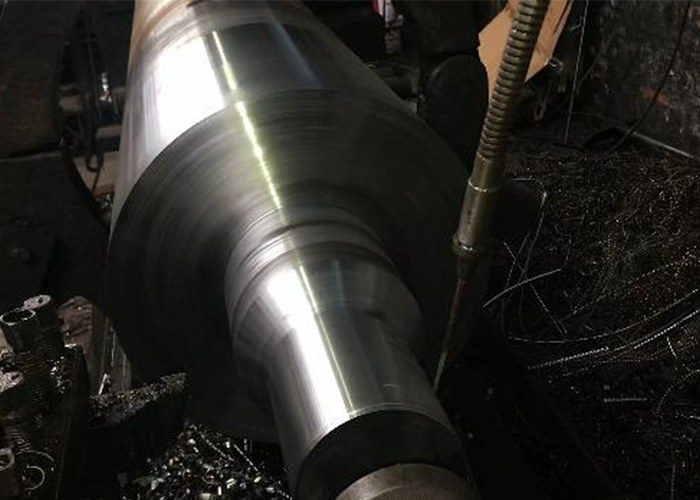
Understanding the Essence of Traditional CNC Turning
At its core, traditional CNC turning is a machining process where a single-point cutting tool is fed into a rotating workpiece to remove material and create a desired shape. Unlike more exotic or emerging technologies, this method is “traditional” because it is built upon decades of proven mechanical principles. The “CNC” component, however, elevates it from a manual craft to a highly repeatable, automated science.
In a traditional CNC turning service, a computer program (G-code) directs the machine’s movements. The workpiece—typically a bar of metal, plastic, or composite—is held in a chuck and spun at high speeds. The cutting tool, mounted on a turret, moves linearly along the X and Z axes to perform operations like facing, turning, grooving, threading, and boring. What makes this service “traditional” is its reliance on single-point tooling and a subtractive mindset, as opposed to milling, which uses multi-point cutters, or 3D printing, which adds material layer by layer.
Why “Traditional” Does Not Mean Outdated
There is a common misconception that traditional CNC turning is a legacy process being phased out by newer technologies like Swiss turning or mill-turn centers. This could not be further from the truth. In fact, traditional CNC turning services are more relevant than ever, primarily due to three factors: versatility, cost-efficiency, and surface finish.
First, versatility. A traditional CNC lathe can handle a vast range of part sizes, from tiny medical screws to large hydraulic shafts. It excels at producing parts with rotational symmetry, which are ubiquitous in mechanical assemblies. Second, cost-efficiency. For medium to high-volume production runs, traditional CNC turning offers an exceptional cost-per-part ratio. The tooling is relatively inexpensive, setup times are predictable, and the process is highly repeatable. Third, surface finish. The single-point cutting action of a traditional lathe often produces a superior surface finish right off the machine, reducing or eliminating the need for secondary grinding or polishing operations.
Key Capabilities of a Traditional CNC Turning Service
When you engage a traditional CNC turning service, you are tapping into a specific set of capabilities that define the process:
- Turning and Facing: The most basic operations, creating cylindrical diameters and flat surfaces perpendicular to the axis of rotation.
- Threading: Cutting precise internal or external threads, from standard UNC/UNF to metric and pipe threads, essential for fastening and fluid transfer.
- Grooving and Parting: Cutting narrow channels for O-rings or snap rings, and slicing finished parts off the stock bar.
- Boring: Enlarging and finishing an existing hole to achieve high precision internal diameters.
- Knurling: Creating a textured, diamond-patterned surface for improved grip.
These capabilities are performed on a range of materials, including aluminum, brass, stainless steel, titanium, engineering plastics like Delrin and PEEK, and even exotic alloys. The “traditional” aspect ensures that the process is well-understood, with a deep knowledge base for troubleshooting and optimization.
The Role of Traditional CNC Turning in Modern Supply Chains
In today’s supply chain, reshoring and agile manufacturing are becoming priorities. Traditional CNC turning services are at the heart of this shift. Because the equipment is widely available and the skills are transferable, local machine shops can quickly set up production for critical components. This reduces lead times and mitigates the risks associated with overseas dependency.
Moreover, traditional CNC turning is often the first step in a hybrid manufacturing workflow. A part might be turned to a near-net shape and then finished with a milling operation or even a grinding process. This synergy demonstrates that traditional methods are not competitors to new technology but collaborators.
Choosing the Right Partner for Traditional CNC Turning
Not all turning services are created equal. When selecting a partner for your project, consider their expertise in your material, their quality control processes (ISO 9001, AS9100, etc.), and their ability to handle both prototyping and production. A true traditional CNC turning service will offer design-for-manufacturability (DFM) feedback, helping you optimize your part to reduce cost and improve performance.
Conclusion
The traditional CNC turning service is far from a relic. It is a robust, reliable, and remarkably efficient method for producing the cylindrical components that form the backbone of modern machinery. By combining the time-tested principles of single-point machining with the precision of computer control, this service delivers the quality and consistency that industries demand. As manufacturing evolves, the traditional CNC lathe will continue to spin, quietly and precisely, shaping the world one revolution at a time.