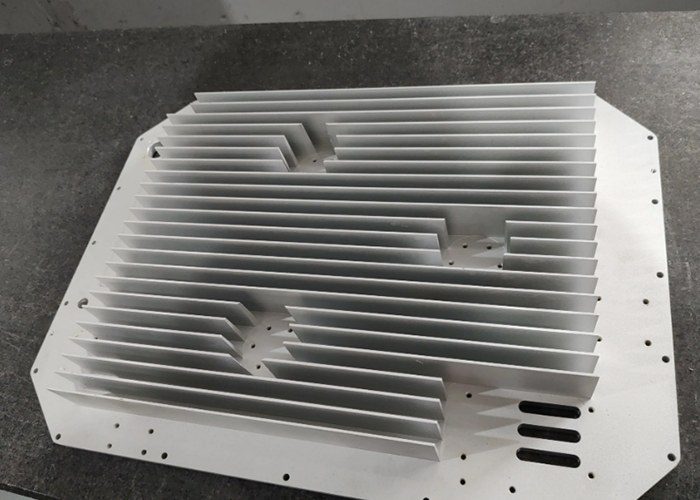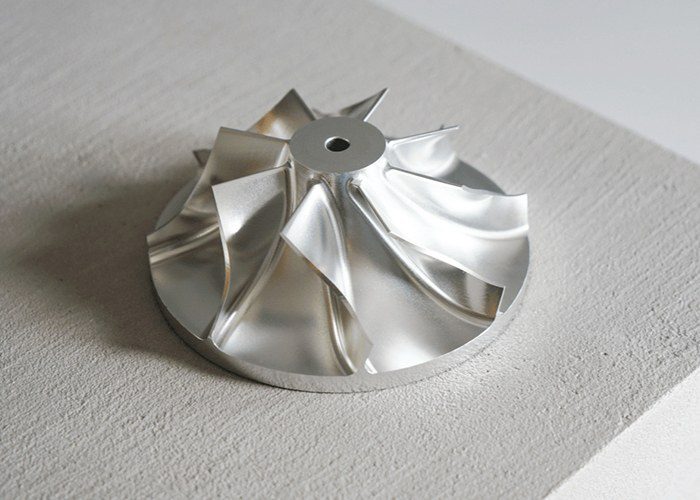
In the intricate world of advanced manufacturing, precision, efficiency, and adaptability are not merely desirable traits but fundamental requirements. Among the many technologies driving industrial innovation, Horizontal CNC (Computer Numerical Control) Machining stands out as a cornerstone for producing complex, high-quality parts across diverse sectors. Unlike its vertical counterpart, the horizontal machining center (HMC) positions its spindle horizontally, a seemingly simple design distinction that unlocks a world of superior capabilities for challenging applications.
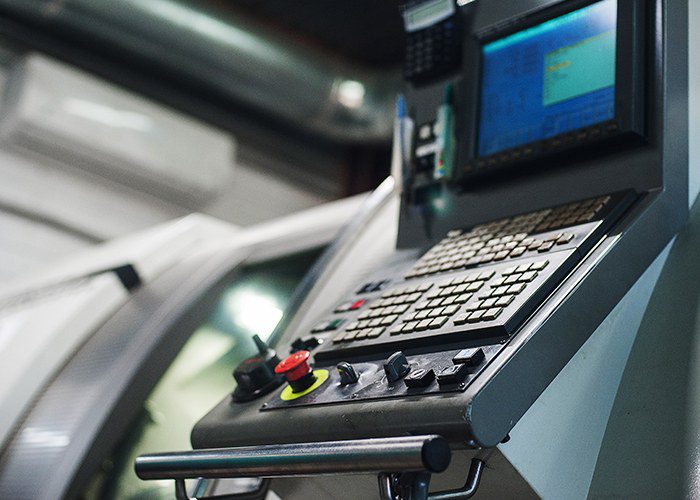
At its core, a Horizontal CNC Machining Center is a sophisticated automated system where a cutting tool, controlled by pre-programmed computer software, removes material from a workpiece. The defining feature is the horizontal orientation of the spindle, which allows the workpiece to be mounted on a pallet within a rotary indexing table. This configuration provides unparalleled access to multiple sides of a part in a single setup—a concept known as four-axis machining, with many HMCs offering full fourth-axis (B-axis) rotation. This multi-sided accessibility is the single greatest advantage of horizontal machining, drastically reducing setup times, minimizing human handling errors, and ensuring exceptional positional accuracy between features on different part faces.
The benefits of Horizontal CNC Machining Services are substantial and directly address the pain points of modern production. First and foremost is superior chip evacuation. Gravity works in favor of the horizontal setup; chips fall away from the workpiece and the cutting tool into integrated conveyors. This prevents chip recutting, which can compromise surface finish and tool life, ensures consistent cooling, and allows for long periods of uninterrupted, or “lights-out,” automation. This leads directly to the second major advantage: enhanced production efficiency and automation. Horizontal machining centers are inherently designed for manufacturing cells. They typically feature integrated pallet changers or are integrated with larger Flexible Manufacturing Systems (FMS). While one part is being machined on the first pallet, a finished part can be unloaded and a new raw material loaded on the second pallet. This drastically reduces idle time, maximizes spindle utilization, and is ideal for high-volume production runs of complex components.
Furthermore, HMCs offer remarkable stability and rigidity. The horizontal spindle and the way the workpiece is secured on the table create a lower center of gravity and a more robust cutting environment. This stability is crucial for heavy-duty milling, boring, and drilling operations, especially on tough materials like titanium, stainless steel, and high-strength alloys. It enables higher metal removal rates, tighter tolerances (often within microns), and exceptional surface finishes. The ability to machine complex geometries—from intricate engine blocks and transmission housings to large structural frames—in one precise setup makes HMCs indispensable.
The applications of Horizontal CNC Machining Services span the most demanding industries. In aerospace and defense, HMCs produce critical structural components, landing gear parts, and engine housings where absolute precision, material integrity, and repeatability are non-negotiable. The automotive sector relies heavily on HMCs for high-volume manufacturing of engine blocks, cylinder heads, differential carriers, and complex transmission cases. The energy industry—encompassing oil and gas and power generation—relies on these services for critical components like large valves, pump bodies, and turbine parts that must endure extreme pressures and corrosive conditions. Additionally, the heavy equipment, medical device, and mold-making industries all leverage the power of horizontal machining for their most challenging projects.
Choosing a provider for Horizontal CNC Machining Services requires careful consideration. Key factors extend beyond simply owning the machines. Look for a partner with engineering expertise—one that can contribute to Design for Manufacturability (DFM) to optimize your part for the process. Assess their quality assurance protocols, including in-process inspection with advanced touch probes and post-process CMM (Coordinate Measuring Machine) verification. The range of material experience is also vital, as is their capacity for handling both high-volume production and lower-volume, high-mix work through flexible automation.

Today, the technology continues to evolve. The integration of five-axis simultaneous machining on horizontal platforms is becoming more common, allowing for the creation of even more complex contours and undercuts in a single clamping. Advanced software for simulation, toolpath optimization, and predictive maintenance further enhances precision and uptime. The drive towards Industrial Internet of Things (IIoT) connectivity enables real-time monitoring of machine performance and production data, fostering smarter, more responsive manufacturing ecosystems.
In conclusion, Horizontal CNC Machining Services represent a pinnacle of manufacturing technology, blending raw power with extraordinary precision. By enabling multi-face machining in a single setup, facilitating superior automation, and providing the rigidity needed for the toughest materials, HMCs solve fundamental production challenges. For any project demanding the highest levels of accuracy, complexity, and volumetric efficiency, partnering with a skilled provider of horizontal machining services is not just an option—it is a strategic imperative for success in the competitive landscape of modern industry.