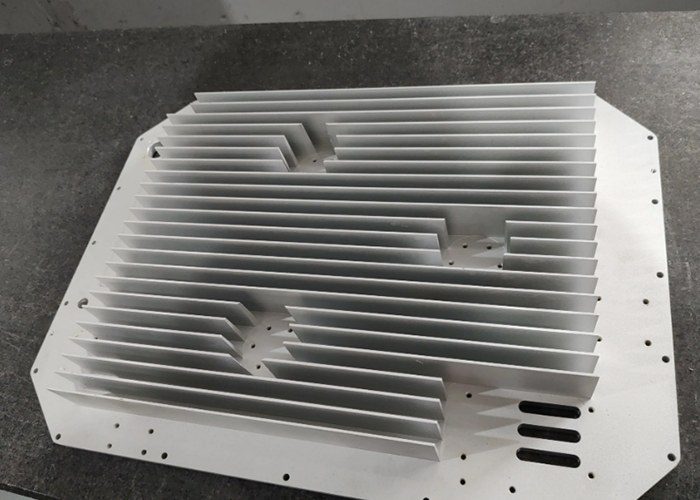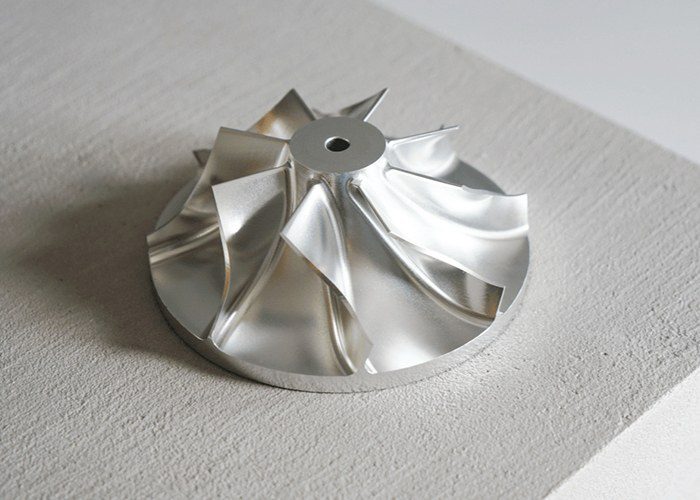
In the intricate symphony of modern manufacturing, where micron-level accuracy meets mass production, CNC precision turned parts form the essential, yet often invisible, backbone. These are not merely components; they are the meticulously crafted pins, shafts, connectors, bushings, and fasteners that ensure our world functions with seamless reliability. From the gentle hum of a medical infusion pump to the roaring thrust of a jet engine, the silent operation of these parts belies their critical importance. CNC precision turning, a subtractive manufacturing process, transforms rods of metal, plastic, or engineered materials into complex, rotationally symmetric geometries with exceptional dimensional accuracy and surface finish, driven by computer numerical control (CNC).
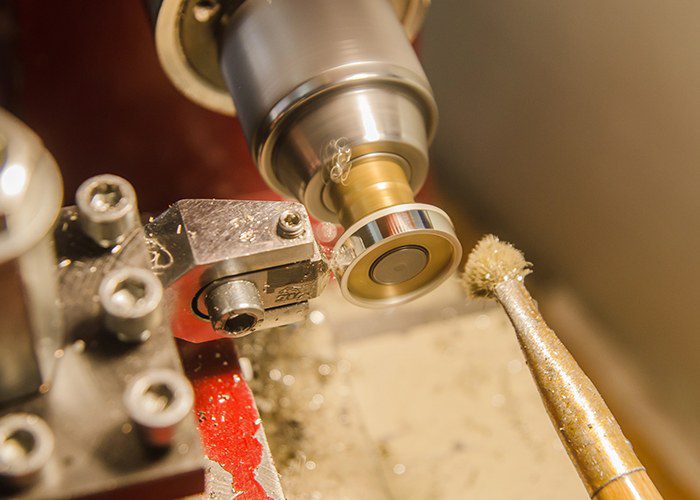
The core of this technology lies in the sophisticated dance between the CNC lathe and its cutting tools. A bar of raw material is securely clamped and rotated at high speeds. Programmed with intricate digital blueprints (CAD models translated into G-code), the machine autonomously directs hardened cutting tools to remove material with breathtaking precision. This computer-guided process eliminates human error, enabling the production of features like intricate external and internal threads, precise grooves, tapered contours, and polished diameters to tolerances that can reach ±0.005mm or tighter. The result is a part whose geometry is a perfect digital-to-physical translation, batch after batch.
The advantages of CNC precision turning are foundational to advanced industry. Firstly, it delivers unmatched accuracy and repeatability. Once a program is verified, every subsequent part is virtually identical, a non-negotiable requirement for assembly, interchangeability, and performance in critical systems. Secondly, it enables remarkable material efficiency and complexity. The process minimizes waste compared to traditional methods and can produce sophisticated shapes—such as multi-diameter shafts with undercuts and cross-holes—in a single setup, reducing production time and cost. Thirdly, it offers exceptional surface quality. Through select tool paths, speeds, and feeds, turned parts can achieve finishes so smooth they resist wear, reduce friction, and often eliminate the need for secondary polishing. Finally, scalability is inherent. While ideal for high-volume runs due to minimal setup changes between batches, modern CNC lathes also make small-batch and prototype production economically viable thanks to rapid programming and tooling changes.
Quality is not an afterthought but is embedded in the process. Production of precision turned parts operates within a framework of rigorous control. In-process inspection using advanced tools like digital calipers, micrometres, and optical comparators is routine. For the most demanding applications, Coordinate Measuring Machines (CMMs) perform full 3D geometric verification against the original CAD data. Furthermore, reputable manufacturers operate under certified Quality Management Systems (like ISO 9001) and specific industry standards (such as AS9100 for aerospace or ISO 13485 for medical devices), ensuring traceability and procedural excellence from raw material certification to final dispatch.
The applications of CNC precision turned parts are as diverse as modern technology itself. In the aerospace and defence sectors, they are found in fuel system components, sensor housings, and actuator mechanisms, where failure is not an option, demanding materials like titanium and high-strength alloys. The medical and dental industry relies on them for surgical instrument handles, implant components, and diagnostic device parts, requiring biocompatible materials like stainless steel 316L and PEEK, machined in ultra-clean environments. The automotive industry, especially in electric and high-performance vehicles, uses them in transmission systems, fuel injection components, and sensor housings, prioritising durability and precision. Electronics and telecommunications employ miniature turned parts in connectors, semiconductors, and heat sinks, often requiring intricate micro-machining. Even in consumer goods, from high-end watches to precision photography equipment, these parts ensure smooth operation and longevity.
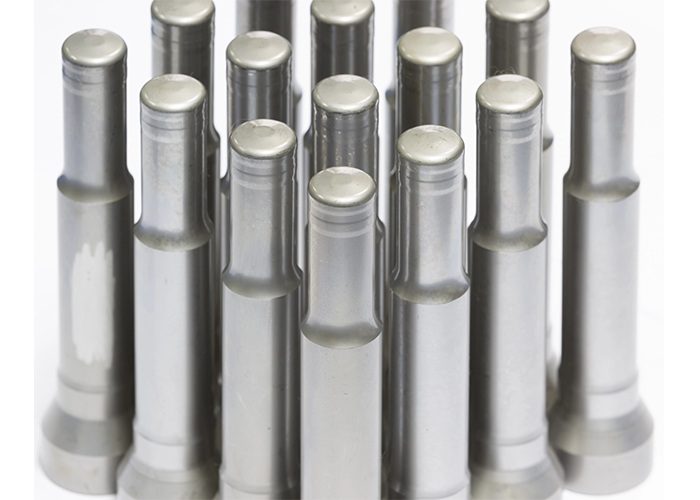
In conclusion, CNC precision turned parts are far more than simple metal or plastic shapes. They are the embodiment of digital design fidelity, engineering prowess, and manufacturing excellence. As industries push for smaller, stronger, smarter, and more reliable products, the role of precision turning becomes ever more central. It is a foundational technology that quietly powers innovation, turning abstract ideas into tangible, high-performance components that drive progress across every facet of our engineered world. In the quest for perfection where the microscopic impacts the macroscopic, CNC precision turned parts stand as indispensable pillars of modern manufacturing.