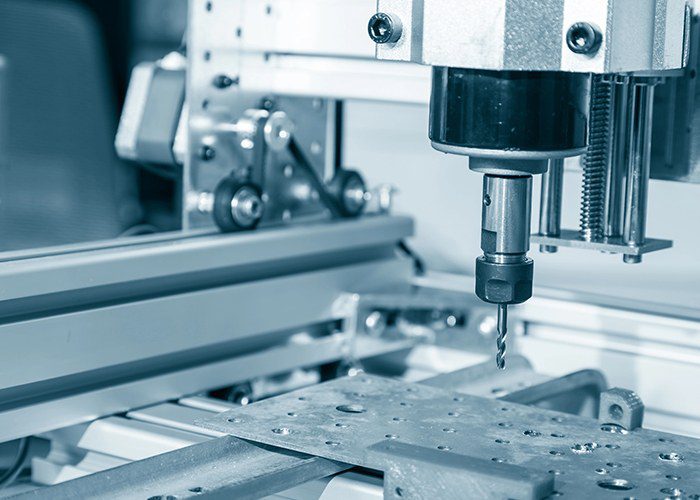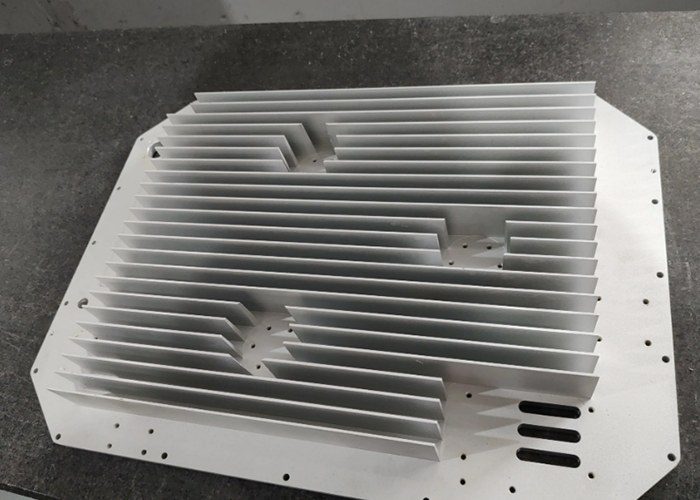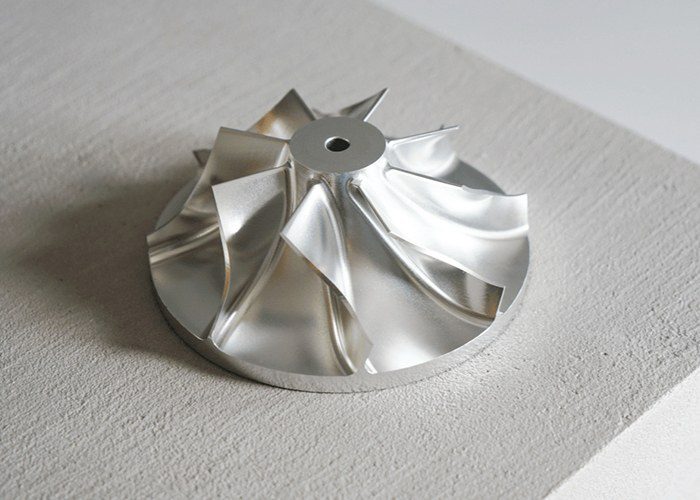
In the silent, climate-controlled halls of advanced manufacturing, a ballet of exquisite precision unfolds. Here, no human hand guides the tool, yet its movements trace geometries of breathtaking complexity and accuracy. This is the realm of CNC precision milling — a process that has evolved from its industrial roots into the essential digital sculptor of our material world. It is the silent partner to innovation, transforming blocks of raw metal, plastic, or composite into the critical bones of technology that define modern life.
At its core, CNC (Computer Numerical Control) precision milling is a subtractive symphony. It begins not with clay or marble, but with a sterile digital blueprint—a CAD model existing as pure mathematical perfection within a virtual space. This model is translated, through CAM software, into a meticulously choreographed set of instructions: a G-code program that dictates every rotation of the cutting tool, every linear nanometer of the machine’s axes. The milling machine itself, a monument to rigid engineering, is the instrument. Its spindle, whirring at tens of thousands of revolutions per minute, presents a cutting tool—crafted from diamond-tipped tungsten carbide or other superlative materials—to the workpiece. With relentless patience, it proceeds to carve away excess material, not through brute force, but through a calculated series of infinitesimal passes. Tolerances are measured in microns, often less than the width of a human hair. Surface finishes are achieved so smooth they resemble liquid metal, requiring no secondary polishing. This is creation through controlled, digital destruction.
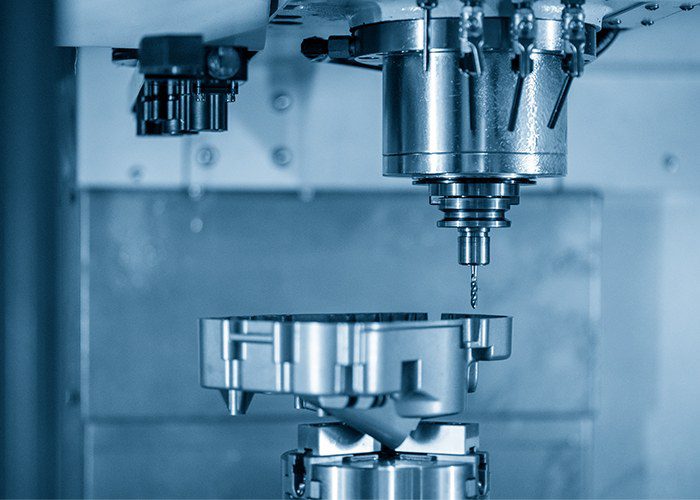
The true genius of precision milling lies in its application—it is the enabler of the impossible. In the aerospace sector, it sculpts monolithic titanium components from solid forgings, creating structures that are both feather-light and capable of withstanding the brutal forces of flight, eliminating the weaknesses of assembly. In the world of medicine, it machines cobalt-chromium alloys into custom orthopedic implants that seamlessly integrate with human bone, and produces the microscopic nozzles for drug-delivery devices. The automotive industry relies on it for high-performance engine blocks and transmission parts, where perfect sealing and minimal friction are paramount. Perhaps most invisibly, it is the cornerstone of microtechnology. The intricate copper pathways on circuit boards, the microscopic channels in lab-on-a-chip diagnostic devices, and the delicate housings for micro-sensors are all born from the diamond-tipped tools of a precision mill. It builds the very tools that build our future: the molds for mass production, the prototypes for next-generation gadgets, and the components for research equipment probing the boundaries of science.
To call it merely a machining process, however, is to miss its profound philosophical essence. CNC precision milling represents the pinnacle of a centuries-long journey to externalize human intention into pure, unerring physical form. It bridges the immaterial world of thought and design with the stubborn reality of matter. The machinist is no longer a manual laborer but a meta-designer, a conductor of an automated orchestra whose instruments are torque, speed, and cut depth. The intelligence has shifted from the hand-eye coordination of a craftsman to the digital foresight embedded in the code and the machine’s unblinking feedback loops. It raises a compelling paradox: in this sterile, automated environment, the highest form of human craftsmanship is the creation of perfect instructions and the mastery of a system that then executes them with a perfection beyond human physical capability.
Therefore, CNC precision milling is far more than an industrial technique. It is a fundamental dialect of the modern manufacturing language. It is the critical link between visionary design and tangible, high-performance reality. In the unerring path of its cutting tool, we see the materialization of digital dreams, the translation of abstract calculations into objects that fly, heal, connect, and explore. It is the quiet, relentless force of exactitude, shaping not just metal and plastic, but the very contours of our technological progress. In the dance of the digital sculptor, we find the precise heartbeat of the contemporary world.