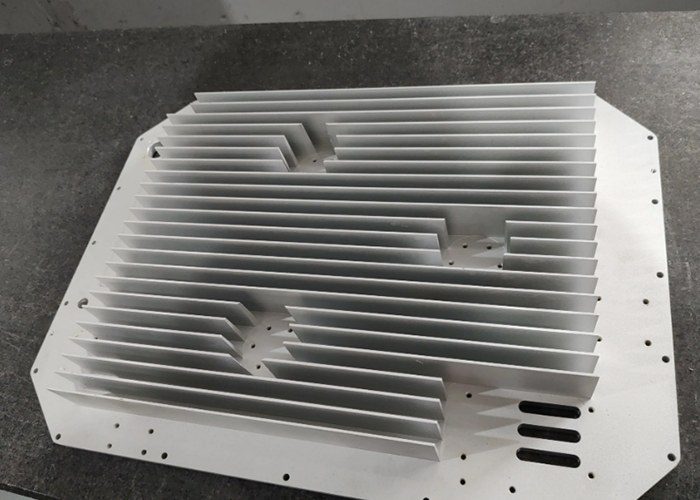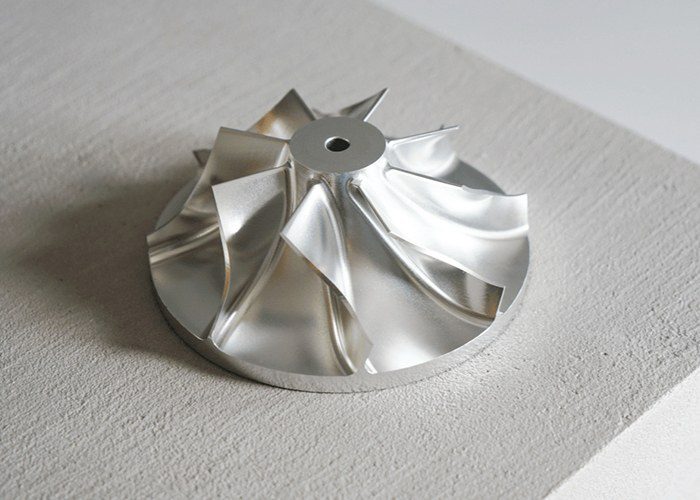
In an era where technological advancement hinges on ever-tighter tolerances and unwavering material performance, high precision stainless steel parts have emerged as indispensable components across a vast spectrum of industries. From the sterile environment of an operating room to the extreme conditions of aerospace propulsion, these meticulously engineered components provide the strength, durability, and reliability that modern systems demand. The global precision stainless steel market, valued at approximately USD 2.5 billion in 2024, is projected to reach USD 3.47 billion by 2032, growing at a compound annual growth rate of 4.2 percent. This trajectory reflects not merely industrial expansion but a fundamental structural evolution: the market is transitioning from a niche, industrially-focused segment to a critical enabler of high-technology manufacturing and advanced infrastructure.
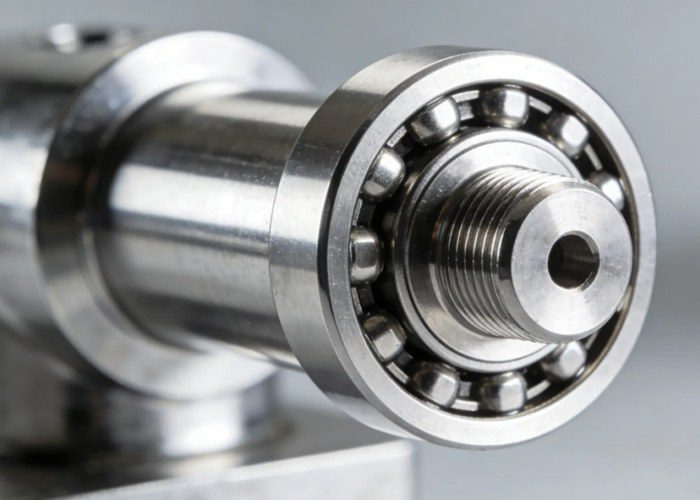
The Art and Science of Precision Manufacturing
Achieving high precision in stainless steel components requires a sophisticated arsenal of manufacturing technologies. Computer Numerical Control (CNC) machining stands at the forefront, with advanced 3-axis, 4-axis, and 5-axis milling and turning systems capable of producing complex stainless steel parts with tolerances as tight as ±0.005 millimeters. Investment casting—also known as lost-wax casting—complements machining by enabling the production of intricate geometries with minimal material waste. Raw castings typically achieve ISO 8062 CT4 to CT6 tolerances, which are then refined through CNC machining to final tolerances of ±0.005 to ±0.02 millimeters, with surface finishes reaching Ra 0.4 to Ra 0.8.
Emerging technologies are pushing the boundaries even further. Micro-metal injection molding (μ-MIM) has gained prominence as a cost-effective method for high-volume production of complex micro-components. Recent research has demonstrated the successful application of μ-MIM using micro-sized 17-4PH stainless steel powders to manufacture high-precision micro-gears and micro-hinges. Meanwhile, additive manufacturing—or 3D printing—is revolutionizing the production of precision stainless steel parts, allowing manufacturers to create highly complex components with reduced material waste and faster production times. These innovations are not merely incremental improvements; they represent a paradigm shift in what is physically achievable.
Critical Applications Across Industries
The automotive industry has long been a primary consumer of high precision stainless steel parts, relying on them for structural components, engine parts, metal gaskets, and exhaust system components. As vehicles become more sophisticated and fuel efficiency standards tighten, the demand for lightweight yet durable precision components continues to rise. The aerospace sector presents perhaps the most demanding application environment, where precision stainless steel parts are used in engine components and turbine blades, where high precision and corrosion resistance are non-negotiable.
In medicine, the stakes are just as high. Surgical-grade 316L stainless steel is widely used for implants, surgical instruments, and device components due to its exceptional corrosion resistance and biocompatibility. More than three million minimally invasive surgeries were conducted in the United States in 2022 alone, underscoring the growing reliance on stainless steel-based instruments. The electronics sector represents another key growth area, with surging demand for ultra-thin precision steel foils and sheets for semiconductors, shielding components, and connectors.
Material Selection and Metallurgical Excellence
The choice of stainless steel grade is critical to achieving the desired balance of properties. Austenitic grades such as 304 and 316 offer excellent corrosion resistance and formability. Precipitation-hardening grades like 17-4PH provide high strength and hardness, making them ideal for precision instruments that require durability. Martensitic grades such as 1.4104 combine good corrosion resistance with high hardness and excellent machinability, suitable for automotive components and pump shafts. New high-performance machinable steels boost average productivity by 20%, extend tool life by 25% to 50%, and enhance reproducibility across production batches.
Overcoming Challenges, Embracing the Future
The high-precision stainless steel parts industry’s impressive growth belies the significant challenges gathering on the horizon. Production costs remain elevated due to the specialized equipment and capital expenditure required for processes such as cold rolling, laser cutting, and precision forming. Raw material volatility—particularly in key alloying elements like nickel, chromium, and molybdenum—poses additional financial risks due to geopolitical tensions and supply chain disruptions.
Nevertheless, the outlook remains exceptionally bright. The market is projected to grow steadily through 2035, driven not by volume alone but by the rising value-per-tonne as applications demand more sophisticated alloys—such as duplex and precipitation-hardening grades—and more extensive downstream processing. Sustainability is also becoming a key focus, as the industry increasingly shifts toward eco-friendly practices and the development of recyclable stainless steel.
High precision stainless steel parts are more than mere components; they are the physical embodiment of human ingenuity and engineering excellence. As technology continues to advance and industries demand ever-greater performance, these precision-engineered marvels will remain at the heart of innovation, enabling the extraordinary machines and devices that shape our world.