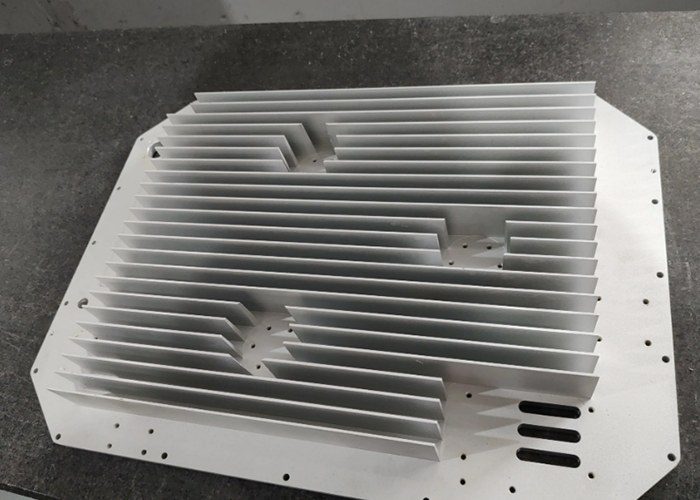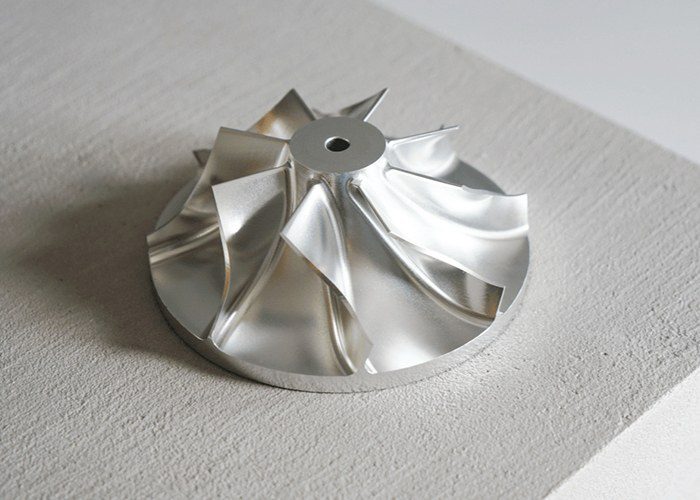
In the relentless pursuit of performance, safety, and efficiency, the automotive industry has come to rely on manufacturing processes that deliver uncompromising precision. Among these, Computer Numerical Control (CNC) milling stands as a cornerstone technology—a silent engine driving the production of components that define modern vehicles. From the engine block to the brake caliper, CNC milled automotive parts have become indispensable, offering a level of accuracy and repeatability that traditional machining simply cannot match.
Understanding the Technology
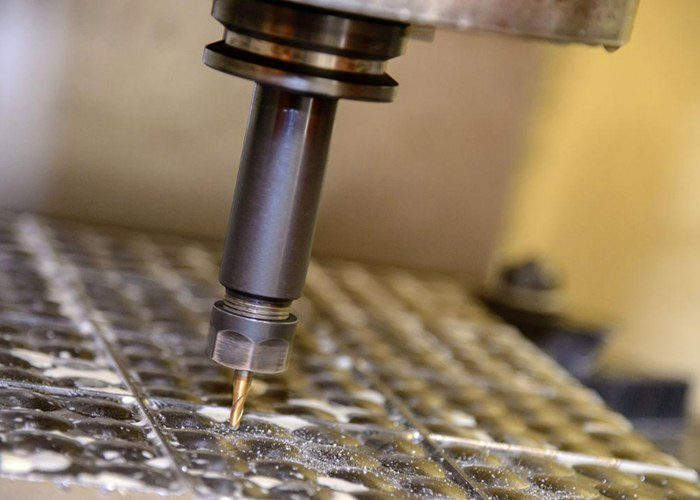
As a subtractive manufacturing technique, CNC milling employs computer-controlled rotary cutters to systematically carve material from a solid block, yielding precise geometric features. It is driven by a digital blueprint, usually developed in Computer-Aided Design (CAD) software. This design is then translated into a precise set of instructions—G-code—that guides the machine’s every movement, dictating speed, feed rate, and tool path. The sophistication of modern CNC milling machines, particularly multi-axis configurations such as 4-axis and 5-axis systems, allows complex geometries to be machined in a single setup, reducing cumulative error and dramatically improving repeatability.
Critical Applications Across the Vehicle
The versatility of CNC milling makes it applicable to virtually every subsystem of an automobile. In engine manufacturing, components such as cylinder heads, valve bodies, manifolds, and camshafts require the extreme precision that CNC milling provides to ensure optimal performance and reliability. Transmission parts—including gears, housings, and shafts—are also frequently CNC milled to achieve the necessary strength and dimensional accuracy.
Beyond the powertrain, CNC milling is essential for suspension and steering components such as control arms and brackets, as well as brake system components like caliper bodies and mounting brackets. The technology is equally vital in prototyping, where manufacturers can quickly create physical prototypes of new parts or entire vehicle assemblies, enabling thorough testing and design validation before committing to mass production. As one industry observer notes, the ability to rapidly iterate on designs through prototyping leads to more innovative solutions and ultimately better-performing vehicles.
Material Selection and Machining Considerations
Material choice is a critical factor in CNC milled automotive parts, as manufacturers must balance strength, weight, corrosion resistance, and cost. Aluminum and its alloys are the most commonly machined materials in automotive CNC milling, prized for their low density, excellent thermal conductivity, and outstanding machinability. These properties make aluminum alloys the representative material for high-efficiency CNC machining. Steel and alloy steels offer high strength and durability for load-bearing applications, while titanium is reserved for high-performance components where its exceptional strength-to-weight ratio justifies the higher machining costs. Engineering plastics and composites are also increasingly employed for interior components and lightweight structural parts.
The Advantages Driving Adoption
The ascendancy of CNC milling in automotive manufacturing is underpinned by several compelling advantages. Chief among its advantages is precision: CNC milling machines achieve standard tolerances of ±0.005 inches (±0.127 mm) and tighten to ±0.001 inches (±0.025 mm) for critical mating surfaces. This level of accuracy ensures that parts fit perfectly and function as intended, directly impacting vehicle safety and reliability.
Equally important is consistency. Once a CNC program is created, it can be used repeatedly to produce identical parts, which is critical for automotive manufacturing where thousands or millions of components must be interchangeable. CNC milling technology effectively reduces human error, ensuring greater uniformity in dimensions and machining results across entire production batches. This repeatability is achieved through programmed control, high-precision equipment, and automated management.
The technology also offers remarkable material versatility and the ability to produce complex geometries—pockets, slots, threads, and contours—that would be difficult or impossible to achieve with conventional machining. Furthermore, CNC milling enables rapid prototyping and quick turnaround for production parts, accelerating product development cycles and reducing time-to-market.
Challenges and the Road Ahead
Despite its many strengths, CNC milling in the automotive sector faces significant challenges. The global market for automotive parts CNC machining services was valued at approximately USD 8.3 billion in 2025 and is projected to reach nearly USD 11 billion by 2032, reflecting robust growth. However, this expansion coincides with a transformative shift in the industry itself.
The electrification of vehicles is fundamentally reshaping demand for CNC machining. While internal combustion engines will not disappear overnight, production emphasis is shifting toward electric motors, battery housings, and power electronics. Battery enclosures and trays, often machined from 6061-T6 aluminum, require precise mounting features, O-ring grooves, and complex cooling channels. This transition demands that CNC machine manufacturers and job shops simultaneously address the needs of both legacy and emerging powertrain technologies.
Automation and digitalization are also redefining the landscape. Advanced CNC systems increasingly integrate CAD/CAM software, enabling seamless translation from digital design to physical components. Artificial intelligence-assisted CAM software can now automatically generate optimized toolpaths, identify machining strategies, and simulate production outcomes before cutting begins. Robotic automation systems are extending machine runtimes—some facilities now operate CNC machines 22 hours per day with minimal human intervention. On-machine probing and off-machine gauging solutions are helping manufacturers increase throughput and eliminate rejects in both high-volume and high-value production scenarios.
Conclusion
CNC milling has evolved from a manufacturing technique into a strategic enabler for the automotive industry. Its ability to deliver precision, consistency, and complexity at scale makes it indispensable for producing the components that keep vehicles safe, efficient, and reliable. As the industry navigates the dual challenges of electrification and digital transformation, CNC milling will continue to adapt—integrating smarter software, more advanced automation, and new materials to meet the demands of tomorrow’s mobility. The technology that shapes metal today is, in many ways, shaping the future of transportation itself.