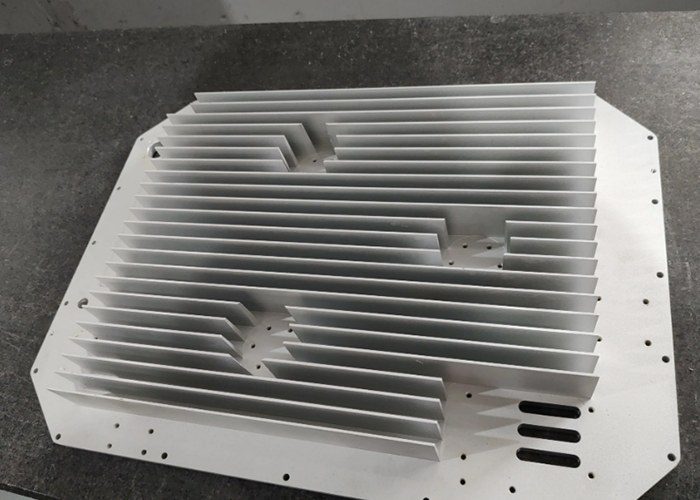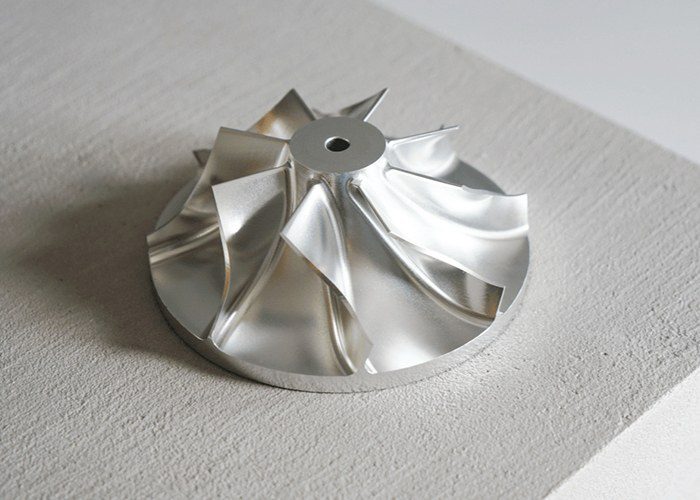
In the age of artificial intelligence, cloud computing, and genetic engineering, it is easy to overlook the physical foundations upon which our digital and scientific revolutions are built. Yet, beneath the sleek exteriors of every smartphone, the robust chassis of every aircraft, and the sterile casings of every surgical robot lies a silent enabler: the high precision metal part. These are not merely pieces of metal; they are the atoms of modern engineering, crafted with tolerances that often measure in microns—a fraction of the width of a human hair. Without the ability to produce components with such exacting accuracy, the high-performance systems that define the 21st century would cease to function.
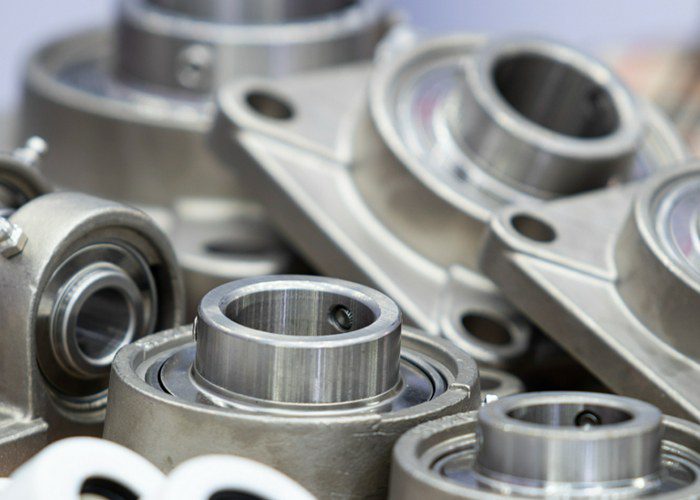
The definition of “high precision” in metalworking has evolved dramatically over the last half-century. Historically, a tolerance of one-thousandth of an inch (±0.001″) was considered a hallmark of expert machining. Today, the benchmark has shifted to the micrometer (±0.001mm) and even the nanometer scale for specific applications. This shift is not a result of arbitrary ambition, but a direct response to the physical constraints of modern physics. For instance, in the realm of internal combustion engines, tighter piston-to-cylinder clearances improve compression and reduce emissions. In aerospace, a deviation of a few microns in a turbine blade can alter the aerodynamics enough to reduce fuel efficiency or, in worst-case scenarios, lead to catastrophic metal fatigue. The pursuit of precision is, therefore, a pursuit of performance, safety, and longevity.
Achieving this level of accuracy requires a sophisticated ecosystem of machinery, materials, and methodology. The traditional workhorse of this industry has been the Computer Numerical Control (CNC) machine. These automated mills and lathes, guided by computer-aided design (CAD) software, can execute complex toolpaths with robotic consistency. However, even the best CNC machine is limited by thermal expansion and tool wear. This is where the next generation of machining comes into play.
Modern processes like Electrical Discharge Machining (EDM) and laser ablation circumvent the mechanical stresses of traditional cutting. EDM uses electrical sparks to erode metal with incredible precision, capable of creating microscopic holes and complex internal geometries that are impossible to achieve with a physical drill bit. Similarly, Additive Manufacturing, commonly known as 3D printing of metals, has revolutionized the concept of precision. Technologies like Selective Laser Melting (SLM) build parts layer by layer from metal powder. While historically perceived as less precise than subtractive methods, modern SLM machines can now produce parts with integrated cooling channels and lattice structures that are dimensionally exact and materially superior to their forged counterparts.
The materials themselves are a testament to the complexity of the field. Gone are the days when simple steel and aluminum were sufficient. High precision parts are now often machined from “superalloys”—materials designed to withstand extreme heat, pressure, and corrosion. Inconel, a nickel-chromium-based alloy, is a prime example; it retains its strength at temperatures exceeding 1000°C but is notoriously difficult to machine due to its work-hardening properties. Similarly, medical-grade titanium must be processed with absolute purity to avoid bio-rejection, while aerospace-grade composites require specialized tooling to prevent delamination. The skill of the manufacturing engineer lies not just in cutting the metal, but in understanding its very molecular behavior to prevent warping and stress fractures during the manufacturing process.
The applications of these microscopic marvels are as vast as they are critical. In the Aerospace and Defense sector, safety margins are zero. High-precision components are used in fuel injection systems, hydraulic actuators, and the complex guidance systems of missiles. A margin of just a few microns in a single gear or valve can determine whether a pilot lives or a space mission succeeds.
In the medical profession, precision is the ultimate determinant of patient survival. Surgical instruments, such as the forceps and scalpels used in robotic micro-surgery, must operate with a fidelity that replicates the human hand without the tremor. Implantable devices, such as hip replacements and dental screws, require a surface finish so smooth that bone cells can grow directly into the metal to ensure osseointegration, a process that relies entirely on the part’s macro and micro geometry.
The Automotive Industry, particularly with the advent of electric vehicles (EVs), demands high precision for busbars, high-voltage connectors, and the intricate cooling systems necessary to manage the thermal output of batteries. A poorly machined connector can create resistance, leading to energy loss and dangerous heat build-up. Finally, in the Electronics sector, the miniaturization of components means that metal parts must be smaller and more precise than ever. The lead frames, shields, and connectors inside a smartphone are produced in the millions, requiring a level of consistency that borders on the statistical impossibility, yet is achieved daily through rigorous quality control.
Looking toward the future, the trajectory of high precision metal manufacturing is inherently linked to digitalization and artificial intelligence. The “Smart Factory” concept uses sensors on machining tools to monitor vibration, temperature, and cutting forces in real-time. This data allows the machine to self-adjust, compensating for the microscopic changes that occur naturally during production. This results in “zero-defect” manufacturing, where the first part off the line is identical to the millionth part.
Moreover, the integration of AI in quality control is replacing traditional measurement tools. High-resolution optical scanners and X-ray computed tomography (CT) can now inspect the internal structure of a part, ensuring that the material is free from porosity or internal cracks, all without destroying the component. This level of non-destructive testing ensures that the high precision seen on the surface is indicative of the high integrity within.
In conclusion, high precision metal parts are the unsung heroes of the industrial world. They are the tangible result of human ingenuity, bridging the gap between abstract digital designs and physical reality. As we push the boundaries of what is possible in space exploration, renewable energy, and medicine, our reliance on these small, intricately crafted components will only intensify. They are the silent, sturdy, and precise backbone that supports the weight of our modern civilization, proving that in engineering, size does not determine significance, but accuracy does.