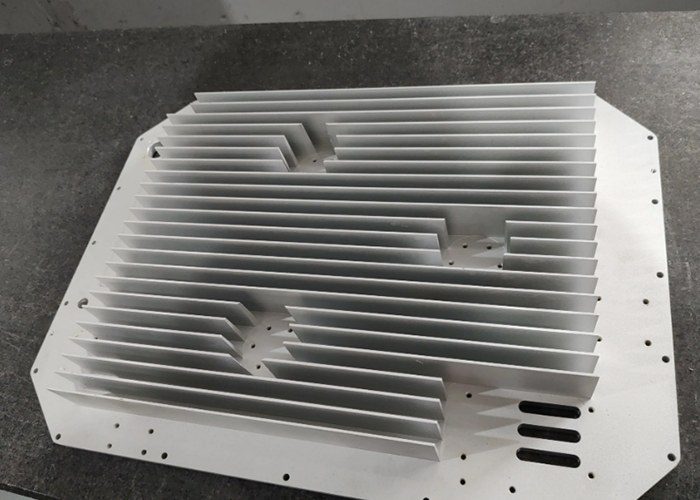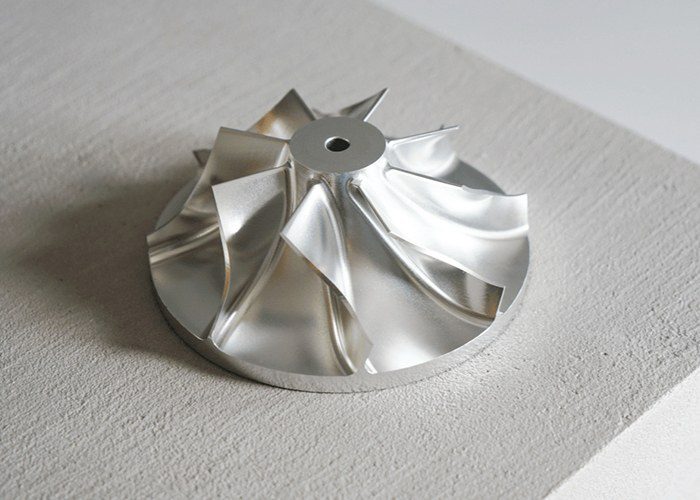
Titanium occupies a preeminent position among contemporary manufacturing materials. Its exceptional strength-to-weight ratio, outstanding corrosion resistance, and complete biocompatibility have made it indispensable across aerospace, medical, automotive, and marine industries. Yet the very properties that make titanium invaluable also make it exceptionally difficult to machine. CNC machining titanium parts requires specialized knowledge, precise techniques, and a deep understanding of how this unique metal behaves under cutting forces.
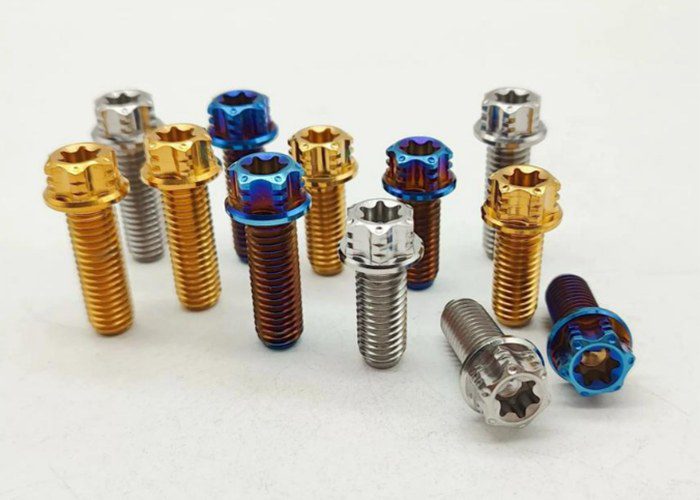
Why Titanium Is So Challenging to Machine
Titanium is approximately 45% lighter than steel yet delivers comparable strength. This combination is the primary reason engineers specify titanium for components where every gram counts—aircraft structural brackets, racing engine parts, and rotating assemblies. However, the metal’s low thermal conductivity—roughly one-twentieth that of aluminum—means heat generated during cutting cannot escape through the chips or workpiece. Instead, it concentrates at the cutting tool tip, accelerating wear and limiting material removal rates.
Titanium also has a tendency to work-harden during cutting. If cutting parameters are not precisely controlled, the surface layer hardens, ruining both tools and parts. Its high chemical reactivity poses another obstacle: at elevated temperatures, titanium readily reacts with oxygen, nitrogen, and hydrogen, forming hard, abrasive oxide layers on both the workpiece and tool surfaces. The metal can even weld itself to the cutting tool material under extreme conditions. These factors combine to make titanium one of the most demanding metals to machine.
Strategies for Successful Titanium CNC Machining
Mastering titanium machining begins long before the first chip is cut. It starts with selecting the right material grade. Grade 5 (Ti-6Al-4V)—alloyed with 6% aluminum and 4% vanadium—is the most common choice, offering an ideal balance of strength and weight with an ultimate tensile strength around 900 MPa. For medical implants, the extra-low interstitial version (Grade 23) delivers superior fracture toughness and fatigue life. Commercially pure grades (1 through 4) serve applications prioritizing corrosion resistance and formability over ultimate strength.
Cutting tool selection is critical. High-quality carbide-based tooling with advanced coatings such as AlTiN, TiAlN, or diamond-like carbon (DLC) provides the wear resistance needed to withstand titanium’s punishing conditions. Tools should feature sharp cutting edges, positive rake angles, and optimized geometries to reduce cutting temperatures and prevent galling.
Cutting parameters must be carefully balanced. Lower surface speeds compared to steel or aluminum help control temperatures and prevent overheating. Moderate feed rates and depths of cut extend tool life. Advanced strategies like trochoidal milling—which uses dynamic toolpaths with small radial cuts—maintain constant tool engagement, minimize vibrations, and improve surface finish. To manage heat generation, high-pressure coolant (100–150 bar) and internal cooling are indispensable, while rigid fixturing is equally vital to prevent deflection—given titanium’s low elastic modulus, which makes the workpiece highly vulnerable to chatter and vibration under cutting loads.
Applications Across Critical Industries
Aerospace remains the primary consumer of titanium materials. CNC-machined titanium parts include compressor blades, turbine discs, airframe components, and space capsule structures. In automotive manufacturing, titanium reduces fuel consumption through lightweighting—replacing heavier steel parts in valves, valve springs, piston pins, and brake caliper pistons.
The medical industry relies on titanium’s biocompatibility—the human body does not reject it. CNC machining produces bone screws, spinal fixation rods, femoral head implants, and joint replacements for hips, knees, elbows, and shoulders. Marine and naval applications include seawater desalination propeller shafts, subsea resource extraction equipment, and marine heat exchangers.
The Competitive Advantage of Titanium Expertise
The ability to reliably produce complex titanium components with micron-level tolerances is not a commodity service—it is a competitive advantage. Titanium holds tight tolerances; parts can be designed for ±0.01 mm or even tighter. Swiss-type lathes, which support the workpiece with a guide bushing immediately adjacent to the cutting tool, eliminate deflection and allow consistent attainment of tolerances down to ±0.005 mm.
CNC machining titanium parts demands respect for the material’s unique behavior. It requires the right tools, optimized parameters, robust fixturing, and above all, experience. When these elements come together, titanium transforms from a machining nightmare into an enabler of engineering excellence—producing components that are lighter, stronger, and more durable than almost anything else in manufacturing. To thrive in today’s performance-critical manufacturing environment, titanium CNC machining is not merely advantageous—it is an unequivocal strategic requirement.