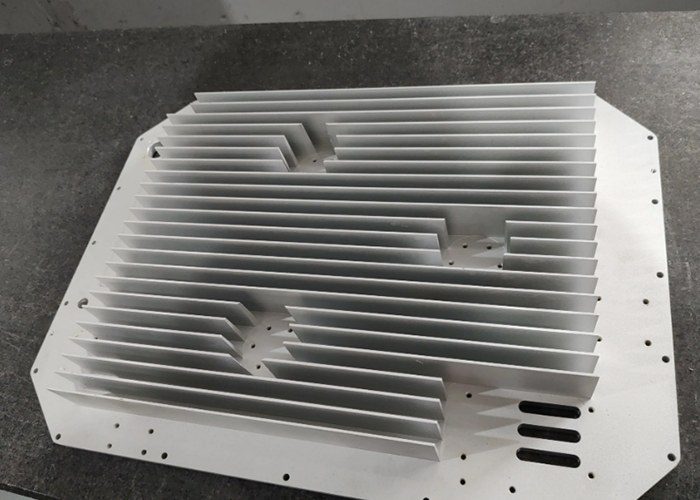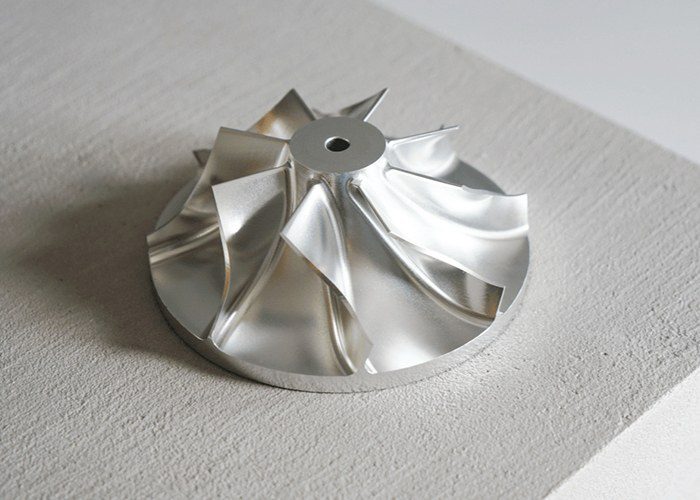
In the landscape of modern manufacturing, few processes combine versatility, precision, and cost-effectiveness as effectively as CNC turning of iron parts. Computerized Numerical Control (CNC) turning has revolutionized the production of rotationally symmetrical components, and iron—with its exceptional strength, wear resistance, and damping properties—remains one of the most widely machined materials in this domain. From automotive engine components to heavy machinery gearboxes, CNC turned iron parts form the backbone of countless industrial applications. This article explores the intricacies of CNC turning iron parts, examining the process, material considerations, technical challenges, and the critical role these components play across industries.
Understanding the CNC Turning Process
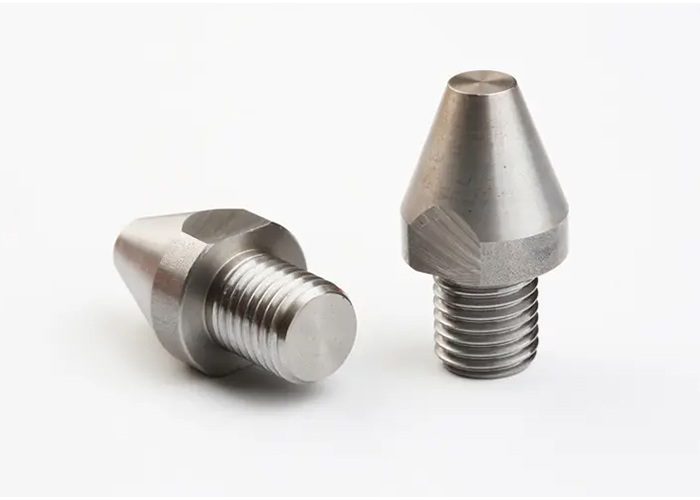
CNC turning is a machining process in which a rotating workpiece is held securely in a chuck or collet while cutting tools remove material to create the desired cylindrical or concentric geometry. The workpiece rotates about its axis of symmetry, and the cutting tool—typically a non-rotary tool bit—moves linearly to shape the part. In a CNC lathe, the workpiece is first clamped, then rotated and processed with different tools in a fixedly programmed sequence. Modern machining centers can automatically change tools such as indexable inserts, drills, and thread cutters, enabling the production of complex geometries including plain surfaces, tapered ends, contours, radii profiles, and threaded surfaces.
The process begins with computer-assisted design using CAD software, followed by CAM systems that generate the CNC code incorporating parameters such as tool geometry, feed speeds, and rotational speeds. This digital workflow enables remarkable precision: modern CNC turning centers achieve dimensional tolerances of up to ±0.01 mm and surface roughness as fine as Ra 0.8 µm. The high degree of automation means continuous personnel support is not required, resulting in exceptional repeatability and economic efficiency, particularly in series production.
Iron as a Turning Material: Properties and Advantages
Iron, particularly in its cast forms, offers a compelling combination of properties that make it ideal for CNC turning. Cast iron is an iron-carbon alloy containing more than two percent carbon, typically present as graphite flakes or nodules. The two most common variants encountered in CNC machining are gray cast iron and ductile cast iron. Gray iron contains graphite flakes that break up the metallic matrix, making the material inherently brittle but granting extraordinary vibration damping capabilities. Ductile iron, containing spherical graphite nodules, offers greater tensile strength and ductility while retaining many of the excellent machining characteristics of gray iron.
Cast iron exhibits generally excellent machinability. The graphite present in the matrix acts as a solid lubricant during cutting, significantly reducing friction between the tool and workpiece, leading to lower cutting forces and extended tool life. Furthermore, cast iron produces discontinuous chips that crumble into small fragments rather than forming long, stringy ribbons, allowing for exceptional chip evacuation and making it highly suitable for automated, unmanned CNC turning operations.
The material’s inherent strength, wear resistance, and cost-effectiveness make it an essential choice across engineering fields. Iron is renowned for its exceptional tensile strength and hardness, making it ideal for heavy-duty applications, while its high graphite content provides excellent wear resistance.
Technical Challenges and Solutions
Despite its favorable machinability, turning iron parts presents specific challenges that require careful process optimization. The abrasive nature of cast iron—particularly the sand inclusions often found in the outer skin of castings—can cause rapid abrasive wear on cutting tools. To mitigate this, manufacturers employ highly wear-resistant tooling such as ceramic inserts, cubic boron nitride (CBN) tools, or carbide substrates with multilayer coatings specifically engineered for cast irons.
Tool selection is paramount. Turning inserts with thick CVD coatings such as TiCN-Al₂O₃-TiOCN layers applied over carbide substrates deliver consistent performance in high-speed machining of gray and ductile irons. The substrate design permits the insert to stay in the cut for extended periods at high speeds with minimum deformation. When machining high-volume workpieces like brake discs, PCBN proves to be the most effective and reliable cutting tool available.
Cutting parameters must be carefully balanced. Research has demonstrated that feed rate is the most significant cutting parameter affecting surface quality, followed by its combination with cutting speed. Typical parameters for cast iron turning might include cutting depths from 0.2 mm to 0.8 mm, feeding rates of 0.25 to 1.00 mm/rev, and rotational speeds corresponding to linear speeds of 200 m/min to 1000 m/min. Process optimization often involves balancing material removal rate, surface roughness, and tool life—a complex multi-objective challenge increasingly addressed through machine learning and AI-driven optimization approaches.
Other common issues include vibrations, residual stresses, and tool breakage, all of which can be mitigated through targeted process optimization and appropriate workpiece clamping to ensure dimensional accuracy and surface quality.
Quality Control and Precision Assurance
The production of CNC turned iron parts demands rigorous quality control. Workpiece surface quality is a critical control parameter, influencing functional performance, dimensional precision, and wear resistance. Modern manufacturing facilities employ comprehensive inspection protocols including dimensional inspection using coordinate measuring machines (CMM), surface finish verification, and material traceability.
First Article Inspection Reports (FAIR) document that components are manufactured according to required specifications, containing component descriptions, inspection reports with CMM testing, material certificates, and documentation of manufacturing processes. Statistical Process Control (SPC) analysis is frequently employed to monitor and maintain product quality throughout production runs. By combining automated process monitoring, multi-channel controls, and integrated measurement technology, we deliver consistent quality at every stage, bridging the gap between prototype development and mass production.
Industrial Applications and Market Significance
CNC turned iron parts are indispensable across a vast range of industries. In the automotive sector, gray cast iron is used for engine blocks, brake discs, and components requiring sliding surfaces, while ductile cast iron is specified for differential cases and carrier cases where strength is paramount. Other applications include oil pump housings, shafts, valves, bushings, spindles, fixtures, and forgings.
The versatility extends to construction equipment, heavy machinery, gearboxes, and structural elements requiring high fatigue resistance and strength under load. Industries served include aerospace, marine, medical, food processing, electronics, pharmaceutical, agricultural, military, and power generation.
The market for these components reflects their fundamental importance. The global metal precision turned product manufacturing market was estimated at US$93.2 billion in 2024, projected to reach US$128.3 billion by 2030 at a CAGR of 5.5%. The cast iron machining services market alone was valued at US$435.17 million in 2025, projected to grow to US$636.36 million by 2032. Major trends include increasing adoption of CNC-based turning operations, rising demand for high-precision components, growing use of multi-axis turning centers, and expansion of precision turned parts in automotive applications.
Conclusion
CNC turning of iron parts represents a cornerstone of modern manufacturing—a process that combines the enduring strength of iron with the precision and automation of computerized numerical control. The unique properties of cast iron, including its vibration damping, self-lubricating graphite content, and cost-effectiveness, make it an indispensable material for countless critical components. While challenges such as abrasive wear and process optimization persist, advances in tooling technology, cutting parameters, and quality control continue to push the boundaries of what is achievable. As industries demand ever-greater precision, efficiency, and reliability, CNC turned iron parts will remain essential to the machinery, vehicles, and infrastructure that power the global economy.