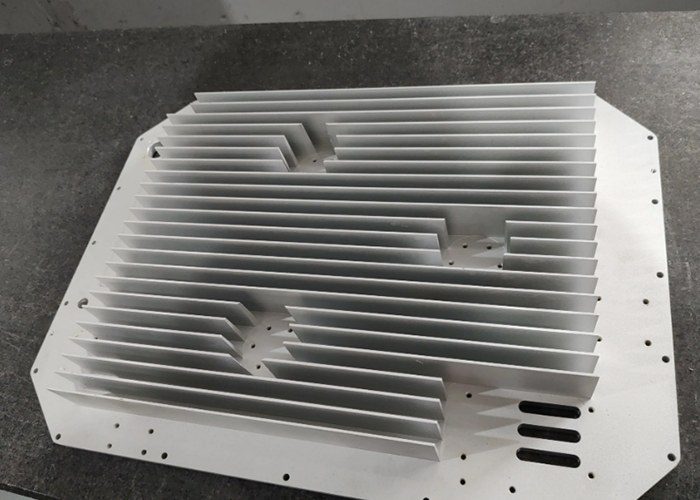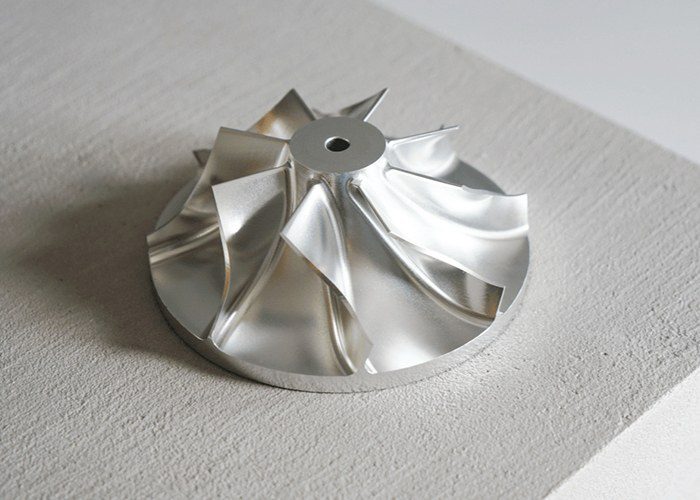
In the landscape of modern manufacturing, few material-process combinations are as foundational as CNC turning of carbon steel. This subtractive manufacturing process—in which a rotating workpiece is shaped by a computer-controlled cutting tool—transforms one of industry’s most versatile alloys into precision components that drive everything from automotive drivetrains to heavy machinery. The marriage of carbon steel’s mechanical virtues with CNC turning’s precision and repeatability has created a manufacturing cornerstone that continues to evolve with advances in tooling, automation, and process optimization.
Understanding Carbon Steel as a Machining Material
Carbon steel is fundamentally an alloy of iron and carbon, with the carbon content serving as the primary determinant of its mechanical properties. This seemingly simple composition yields a remarkable spectrum of material behaviors. Low-carbon steels—typically containing less than 0.25% carbon—offer excellent ductility and weldability, making them ideal for applications requiring formability. Medium-carbon steels, with carbon content between 0.25% and 0.60%, strike a balance between strength and toughness, finding widespread use in gears, shafts, and structural components. High-carbon steels, exceeding 0.60% carbon, deliver exceptional hardness and wear resistance, though at the cost of reduced machinability.
For CNC turning operations, this gradation in properties presents both opportunities and challenges. Carbon steel generally offers good machinability and stable cutting performance, but as hardness increases with carbon content, so do the demands on tool wear resistance and machine rigidity. Studies have shown that materials like carbon steel 1020 exhibit high force-to-deformation efficiency exceeding 97,000 N/mm, yet higher hardness and lower thermal conductivity compared to other engineering alloys can lead to increased cutting forces and accelerated tool wear.
The CNC Turning Process for Carbon Steel
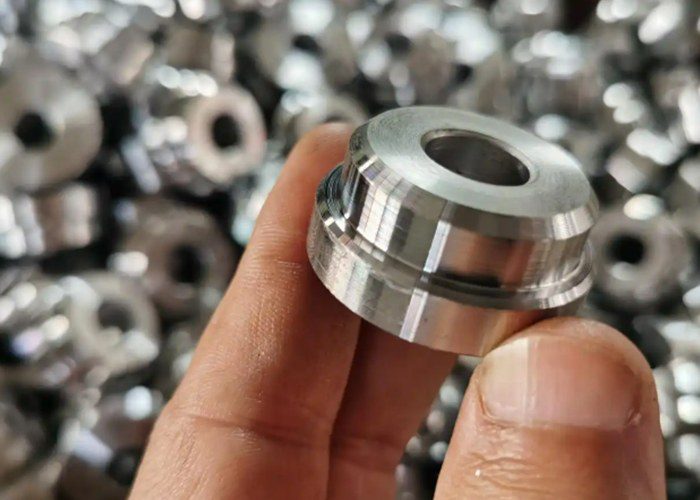
CNC turning of carbon steel begins with securing the workpiece—typically a cylindrical bar or billet—in the machine’s chuck or collet. The spindle rotates the workpiece at a controlled speed while a stationary cutting tool traverses along its surface, removing material in the form of chips to achieve the desired geometry. This process is exceptionally well-suited for producing cylindrical or rotationally symmetrical parts with complex features including grooves, threads, and tapers.
Modern CNC turning centers have evolved far beyond simple two-axis lathes. Contemporary machines often feature multiple axes—as many as seven to nine—enabling them to perform complex operations and reduce setup times. Operations are broadly classified as external turning, which shapes the outer surface through contouring, straight turning, or taper turning, and internal turning, which machines the interior to create bores, undercuts, and intricate internal features.
Critical Parameters for Success
Achieving optimal results in CNC turning carbon steel requires careful control of several interrelated parameters. Since higher-carbon steel grades are more susceptible to work hardening, the spindle speed should be reduced accordingly to suit the specific grade. Feed rate—the speed at which the cutting tool advances along the workpiece—must be selected to prevent tool deflection, vibration, and premature wear. Depth of cut affects both material removal efficiency and surface finish; while deeper cuts reduce the number of passes required, excessive depth can cause tool deflection and degrade surface quality.
Research has demonstrated that these parameters have a noticeable effect on tool wear, material removal rate, and tool life. Optimizing the interplay between cutting speed, feed rate, and depth of cut reduces surface roughness without compromising—and actually improves—machining efficiency. For applications requiring extended fatigue life in machined components, studies suggest that lower cutting speeds (approximately 25 m/min), low feed rates (0.1 to 0.2 mm/rev), and shallow depths of cut (0.1 to 0.15 mm) can be beneficial.
Tooling and Coolant Considerations
The selection of cutting tools profoundly impacts the quality and productivity of CNC turning operations on carbon steel. Carbide cutting tools—particularly those with advanced coatings—are widely recommended for their excellent wear resistance and ability to maintain a sharp cutting edge. Tools with TiAlN coatings can significantly enhance wear resistance and oxidation resistance, thereby extending tool life.
Effective heat management is equally critical. The heat generated during CNC turning of carbon steel must be controlled to prevent damage to both the cutting tool and the workpiece. Coolant systems play an essential role in this regard, though some modern operations employ dry machining techniques with air blast systems for chip clearance. The choice between flood coolant, mist lubrication, or dry cutting depends on the specific grade of carbon steel, cutting parameters, and surface finish requirements.
Industrial Applications
The versatility of CNC-turned carbon steel parts is reflected in their widespread adoption across industries. In automotive manufacturing, these components include engine components, transmission parts, axles, shafts, and steering components. The agricultural sector relies on CNC-turned carbon steel for heavy-duty equipment components such as hydraulic cylinders and precision shafts. Aerospace applications utilize turned components including bushings, connectors, and precision fasteners. Even the medical device industry—often associated with stainless steel and titanium—incorporates carbon steel components in surgical instruments and diagnostic equipment where corrosion resistance is not the primary concern.
Advantages and Economic Impact
CNC turning offers several compelling advantages for carbon steel production. The process delivers remarkable accuracy and repeatability, making it ideal for producing complex components requiring tight tolerances. The automated nature of CNC machining minimizes labor costs and reduces the need for highly skilled manual operators. Computer-controlled precision minimizes material waste—a key factor in reducing production costs. Furthermore, CNC turning is well-suited for both low-volume prototyping and high-volume production runs, offering manufacturers exceptional flexibility. Leveraging high process efficiency alongside carbon steel’s unbeatable cost-effectiveness and ready supply, this approach ranks among the most cost-efficient manufacturing solutions on the market.
Conclusion
CNC turning of carbon steel parts represents a mature yet continuously advancing manufacturing discipline. From the careful selection of steel grades and cutting parameters to the implementation of advanced tooling and coolant strategies, every aspect of the process contributes to the quality, efficiency, and cost-effectiveness of the final product. As CNC technology continues to evolve—with multi-axis machines, adaptive control systems, and intelligent process monitoring—the capabilities of carbon steel turning will only expand, ensuring its continued relevance in precision manufacturing for decades to come.