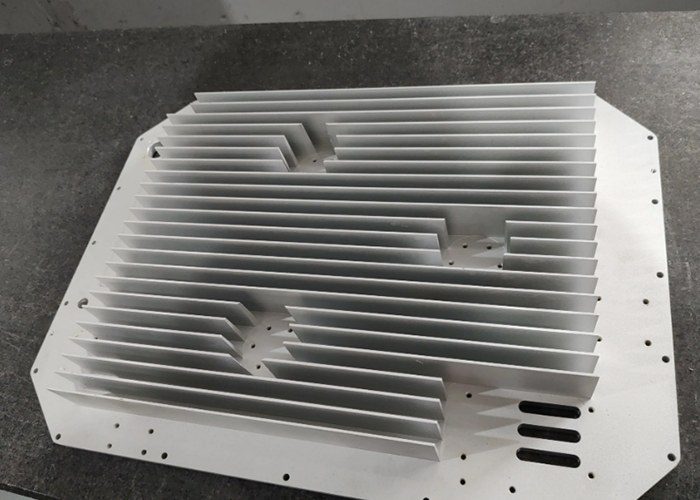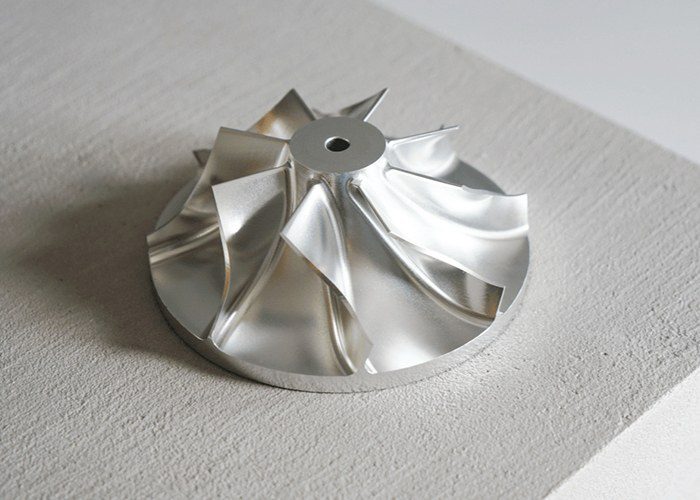
In the intricate ecosystem of modern manufacturing and industrial maintenance, the importance of a single component is often overlooked until it fails. When a critical machine goes offline, every minute of downtime translates directly into lost revenue, missed deadlines, and increased operational stress. While standard, off-the-shelf parts are sufficient for general applications, the backbone of high-performance, specialized, and aging machinery relies on something far more specific: High Precision Custom Spare Parts.
These are not merely replacement components; they are engineered solutions designed to meet exact specifications, tolerances, and material requirements that mass-produced items cannot satisfy. Their role is pivotal in ensuring operational continuity, enhancing performance, and extending the lifecycle of capital equipment across a vast array of industries, from aerospace and medical devices to automotive and heavy machinery.
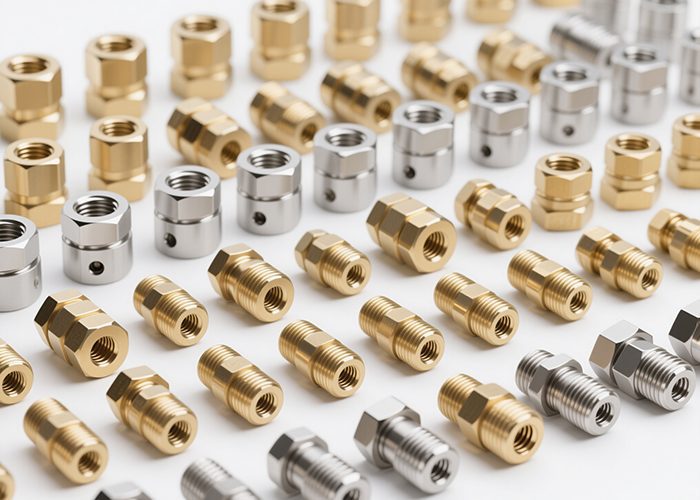
The “High Precision” Imperative
The term “high precision” is not a marketing buzzword; it is a quantifiable standard. It refers to components manufactured with extremely tight tolerances, often measured in microns (one-thousandth of a millimeter). At this level of accuracy, the margin for error is virtually nonexistent.
Why is this level of precision so critical?
- Interchangeability and Fit: In complex assemblies, parts must interface seamlessly. A gear with a tooth profile off by a fraction of a degree will generate noise, vibration, and excessive heat, leading to premature failure. High precision ensures that a custom spare part fits perfectly the first time, eliminating the need for manual adjustment or “forcing” a component into place.
- Performance and Efficiency: Precisely machined parts reduce friction. A custom piston, valve, or bearing that matches its counterpart with microscopic accuracy will operate more smoothly, consume less energy, and generate less wear and tear on surrounding components. In high-speed applications, this balance is essential to prevent catastrophic failure.
- Safety and Reliability: In industries like aerospace, medical technology, and defense, failure is not an option. A custom hip implant must have a flawless surface finish to integrate with bone, and a turbine blade in a jet engine must withstand extreme stresses and temperatures. High precision manufacturing guarantees the reliability and safety required in these mission-critical environments.
The “Custom” Advantage
While precision defines the quality, “custom” defines the purpose. The need for custom spare parts arises from several common scenarios:
- Obsolescence Management: Industrial machinery is built to last for decades, but the components within them are not. Manufacturers often discontinue parts for machines that are 20 or 30 years old. When a critical drive gear or a hydraulic pump fails on legacy equipment, a custom spare part is the only solution to bring the machine back to life. This is often far more cost-effective than replacing an entire production line.
- Performance Upgrades: Standard parts are designed for average conditions. If a company pushes its equipment to run faster or handle heavier loads, the stock parts become the weak link. Custom spare parts can be engineered from superior materials (such as hardened tool steel or advanced polymers) with optimized geometries to withstand these increased demands, effectively upgrading the machine’s capability during repair.
- Unique or Proprietary Equipment: Companies that design and build their own specialized machinery require spare parts that exist nowhere else. These components are born from a design file and must be recreated with absolute fidelity to the original engineering intent.
The Manufacturing Process: From Concept to Component
Creating a high precision custom spare part is a marriage of digital technology and physical craftsmanship. The process typically begins with reverse engineering. Using a Coordinate Measuring Machine (CMM) or a 3D scanner, the original (or broken) part is digitized to create a precise 3D CAD model. This model captures every curve, hole, and thread, forming the blueprint for the new part.
This digital file is then fed into Computer Numerical Control (CNC) machines. Whether it’s a mill, lathe, or multi-axis machining center, the CNC system translates the design into toolpaths, guiding cutting tools with incredible speed and accuracy. For parts requiring complex internal structures or exotic materials like titanium or Inconel, advanced manufacturing techniques like Electrical Discharge Machining (EDM) or even metal 3D printing are employed.
Throughout the machining process, rigorous quality control is paramount. In-process inspections ensure that dimensions remain within tolerance. Upon completion, the part often undergoes a final inspection with a CMM or optical comparator to generate a report certifying its accuracy.
Applications Across Industries
The demand for these specialized components spans the globe:
- Aerospace: Custom bushings, landing gear components, and hydraulic fittings made from lightweight, high-strength alloys.
- Medical: Custom drills, reamers, and implants designed for a specific surgical procedure or patient anatomy.
- Automotive (including Motorsports): High-performance engine components like custom pistons, camshafts, and connecting rods for race cars or rare vintage automobiles.
- Oil & Gas: Wear-resistant components for downhole drilling tools and pumps that must withstand abrasive slurries and high pressure.
Conclusion
High precision custom spare parts are the silent guardians of industrial productivity. They represent a specialized sector of manufacturing where expertise in materials, machining, and metrology converges to solve complex problems. By providing a lifeline for obsolete equipment, enabling performance enhancements, and ensuring the safety of critical systems, these components do more than just fix a broken machine—they empower industries to operate more efficiently, sustainably, and reliably in an increasingly demanding world. As technology advances, the capabilities for producing these parts will only grow, further cementing their role as an indispensable element of the modern industrial landscape.