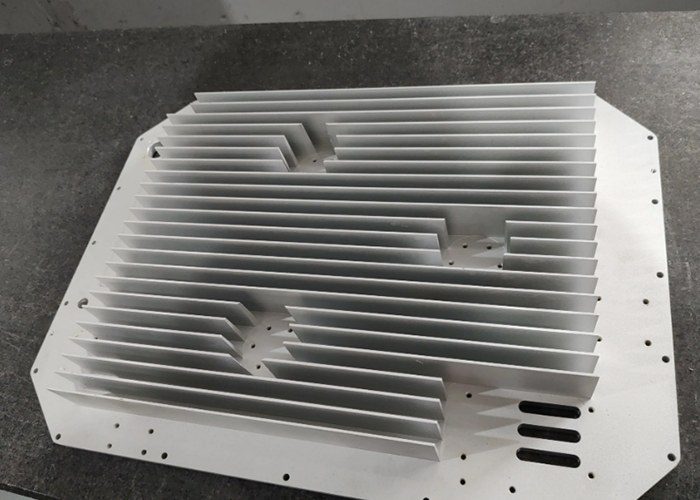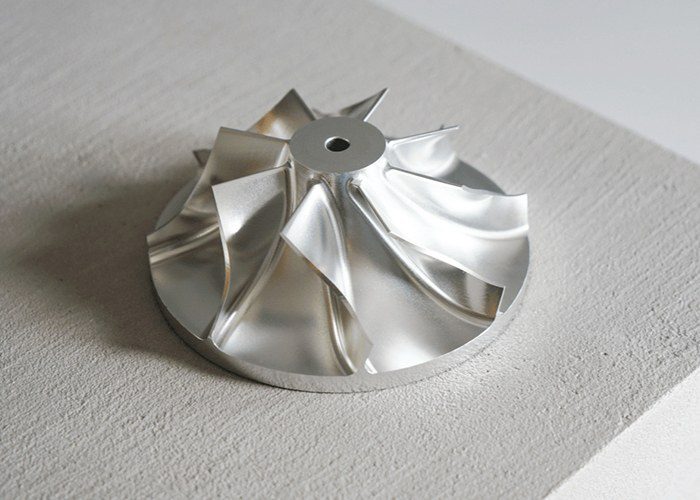
In the ever-evolving landscape of industrial manufacturing, precision is not merely a goal—it is a necessity. Among the most transformative technologies driving this pursuit of accuracy is High Precision CNC Turning. This subtractive manufacturing process has become indispensable across industries ranging from aerospace and medical devices to automotive and electronics. By combining computer numerical control (CNC) with advanced turning techniques, manufacturers can produce complex, symmetrical components with tolerances measured in microns. This article explores the principles, advantages, applications, and future prospects of high precision CNC turning.
Understanding the Process
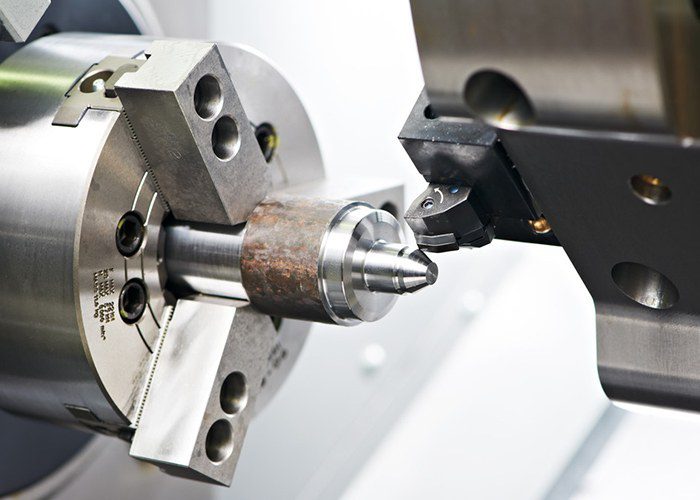
CNC turning is a machining process in which a cutting tool removes material from a rotating workpiece to create cylindrical or conical shapes. Unlike conventional manual lathes, CNC turning relies on pre-programmed software and automated controls to guide the tool path with exceptional repeatability. The term “high precision” refers to achieving tolerances as tight as ±0.0001 inches (±2.54 microns) or even finer, along with superior surface finishes down to 0.2–0.4 micrometers Ra.
The core components of a high precision CNC lathe include a spindle that rotates the workpiece at variable speeds, a turret that holds multiple cutting tools, and a servo-driven axis system (typically X and Z axes) that positions the tool with sub-micron resolution. Modern machines often integrate live tooling, Y-axis capability, and sub-spindles, enabling milling, drilling, and off-center operations in a single setup. This reduces positioning errors and cycle times.
Key Advantages
The shift from traditional turning to high precision CNC turning is driven by several compelling benefits:
- Unmatched Accuracy and Repeatability
Once a program is verified, the machine can produce thousands of identical parts with minimal variation. This is critical for high-stakes applications like bone screws or turbine blades, where even microscopic deviations can lead to failure. - Complex Geometries
Advanced CNC lathes can generate intricate contours, threads, tapers, grooves, and polygonal profiles. With multi-axis capabilities (e.g., 7-axis turning centers), undercuts, eccentric diameters, and off-axis holes become feasible without secondary operations. - Reduced Scrap and Material Waste
Precision control minimizes overcutting and errors. For expensive materials like titanium, Inconel, or medical-grade stainless steel, this translates directly into cost savings. - Superior Surface Finish
High precision turning often eliminates the need for secondary finishing processes like grinding or polishing, shortening lead times and lowering production costs. - Automation and Throughput
Bar feeders, robotic part loaders, and in-process gauging allow lights-out manufacturing. A single operator can oversee multiple machines, boosting productivity.
Critical Applications
High precision CNC turning is the silent enabler behind many modern technologies:
- Aerospace: Fuel nozzles, landing gear components, actuator housings, and engine shafts demand tight tolerances to withstand extreme temperatures and stresses.
- Medical: Orthopedic implants (knee, hip, spinal screws), surgical instruments, and dental posts require biocompatible materials and flawless surface finishes to prevent infection and ensure proper function.
- Automotive: Transmission shafts, turbocharger rotors, fuel injection components, and sensor housings benefit from the repeatability and high-volume capability of precision turning.
- Electronics: Connectors, heat sinks, and small-diameter bushings for smartphones and servers are often turned from copper alloys or aluminum.
- Defense: Munitions casings, gyroscope components, and optical mounts rely on precision turning for reliability under harsh conditions.
Challenges and Considerations
Despite its advantages, high precision CNC turning is not without hurdles:
- Machine Cost and Maintenance
High-end Swiss-type lathes or multi-axis turning centers can cost hundreds of thousands of dollars. Regular calibration, thermal compensation, and spindle conditioning are required to preserve accuracy. - Tooling and Workholding
Precision demands rigid tool-holder interfaces (e.g., HSK, Capto) and high-quality inserts with micro-geometry. Workholding must balance clamping force to avoid distorting thin-walled parts—collet chucks or expanding mandrels are commonly used for this purpose. - Programming Complexity
Generating efficient toolpaths for complex parts requires skilled CAM programmers who understand material behavior, chip evacuation, and cutting forces. Even small programming errors can crash the machine or ruin expensive stock. - Thermal Management
Heat from cutting and spindle motors causes expansion, altering dimensions. High precision machines integrate coolant through the spindle, temperature-controlled enclosures, and real-time compensation algorithms. - Measurement and Verification
Producing a part to micron tolerances is useless without the ability to measure it. In-process probes (laser or touch-trigger) and offline CMM (coordinate measuring machine) verification add to cycle time and cost.
Future Trends
The field of high precision CNC turning continues to evolve. Hybrid manufacturing—combining turning with additive processes (laser cladding or metal deposition)—allows repair of high-value components and fabrication of parts with graded materials. Digital twins simulate machining before a chip is cut, predicting deflection, tool wear, and surface roughness. AI-based adaptive control uses real-time sensor data (vibration, acoustic emission, spindle load) to adjust feeds and speeds dynamically, extending tool life and preserving accuracy. Furthermore, the integration of Industry 4.0 connectivity enables remote monitoring, predictive maintenance, and seamless traceability for regulated industries like medical and aerospace.
Conclusion
High precision CNC turning stands as a pillar of modern manufacturing, bridging the gap between digital designs and physical reality. Its ability to produce complex, highly accurate, and repeatable components at scale has revolutionized how industries approach production. While challenges in cost, tooling, and thermal management persist, ongoing advances in machine design, sensor integration, and software intelligence promise even greater capabilities. As tolerances shrink and demand for miniaturization grows, high precision turning will remain an essential technology—turning raw stock into the building blocks of our engineered world.