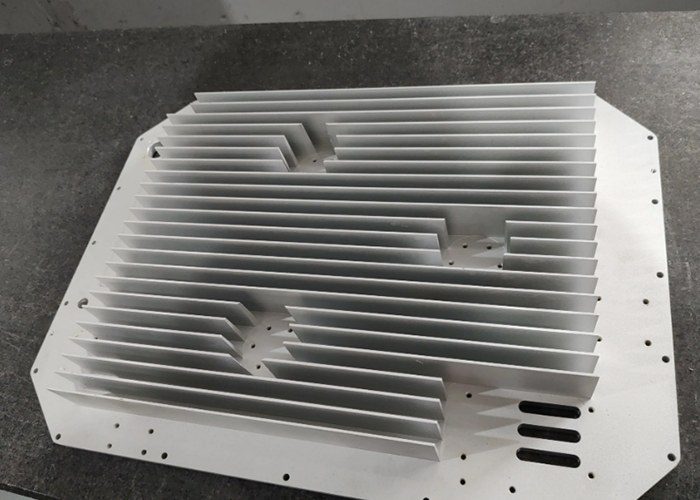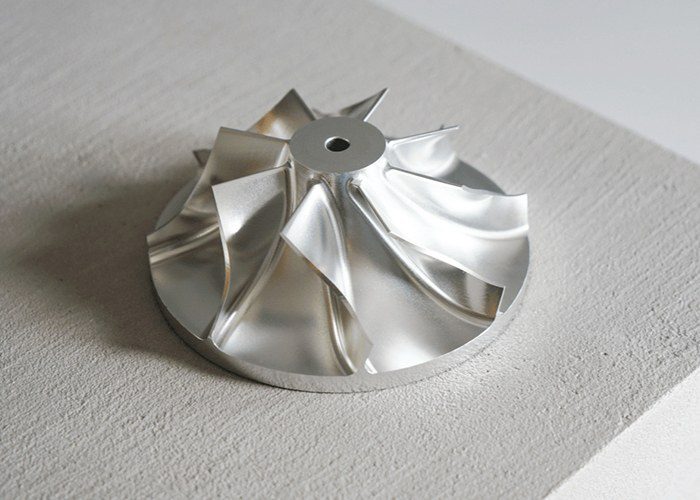
In the modern manufacturing ecosystem, few material-process combinations are as synergistic or as widely utilized as aluminum and Computer Numerical Control (CNC) machining. While 3D printing captures the imagination with its additive possibilities, it is the subtractive precision of CNC machining that remains the gold standard for functional, load-bearing, and aesthetically critical components. Specifically, High Precision CNC Machined Aluminum Parts have become the silent workhorses of industries ranging from aerospace to consumer electronics. This is not merely a story of cutting metal; it is a narrative of micron-level accuracy, material science, and the relentless pursuit of geometric perfection.
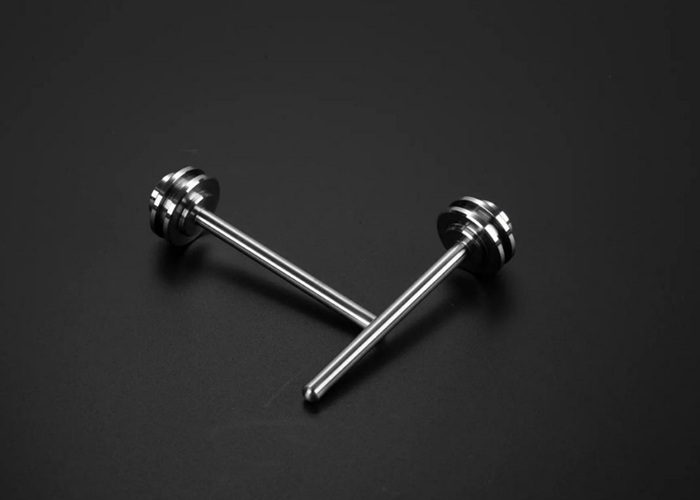
The Material Advantage: Why Aluminum?
The journey toward high precision begins with the material itself. Aluminum is often the substrate of choice for precision machining, not because it is the cheapest, but because it offers an unparalleled balance of properties. With a density roughly one-third that of steel, aluminum provides a superior strength-to-weight ratio. In aerospace and automotive applications, every gram saved translates to fuel efficiency and performance gains. However, weight reduction is only half the equation.
Aluminum alloys, particularly the 6061 and 7075 series, possess excellent machinability. Chips break cleanly, heat dissipates rapidly through the material’s high thermal conductivity during cutting—minimizing tool wear and thermal distortion—and the surface takes exceptionally well to anodizing and other finishing processes. This “machinability” is crucial when dealing with tolerances measured in microns. A material that deforms under stress or heat defeats the purpose of a precision machine. Aluminum’s inherent stability allows it to hold tight tolerances, making it the ideal canvas for the mechanical artist.
The Technology: Inside the High-Precision Machine
To achieve true “high precision”—generally defined as tolerances of +/- 0.005 inches (0.127 mm) down to +/- 0.0002 inches (0.005 mm)—the machinery itself must be built like a fortress. Modern 5-axis CNC machining centers represent the pinnacle of this technology. Unlike traditional 3-axis machines that move in the X, Y, and Z planes, 5-axis systems add rotational axes, allowing the cutting tool to approach the workpiece from virtually any direction.
This capability is transformative for high-precision aluminum parts. It allows for the machining of complex undercuts, deep cavities, and intricate contours in a single setup. Single-setup machining eliminates the accumulation of errors that occur when a part is relocated from one machine to another. The rigidity of the machine structure, combined with high-speed spindles (often exceeding 20,000 RPM) and advanced tool-holding systems, ensures that the cutting forces remain consistent, preventing the “chatter” that can ruin a surface finish.
The Process: From Solid Block to Precision Component
The creation of a high precision aluminum part is a symphony of controlled chaos. It begins with a solid aluminum block, whether an extrusion or a billet, which is held in place with immense clamping pressure to eliminate any displacement. The CNC program, generated by Computer-Aided Manufacturing (CAM) software, translates the 3D model into a series of toolpaths.
The process typically involves several stages:
- Roughing: High-speed tools remove the bulk of the material aggressively. While speed is the priority here, the process must still account for the “stress relief” of the material. Removing large amounts of aluminum can release internal stresses, causing the part to warp. Skilled machinists often use “rough and rest” strategies to mitigate this.
- Semi-Finishing: This stage prepares the surface for the final pass, leaving a thin skin of aluminum (usually 0.1-0.2 mm) for the finishing tools.
- Finishing: This is where the magic happens. Using small step-overs and high feed rates, the finishing tools skim the surface to the exact final dimension. To achieve the “mirror finish” or high-gloss aesthetic often seen in consumer electronics, the machine must account for tool deflection—the slight bending of the cutting tool under pressure. Machinists compensate for this mathematically, adjusting toolpaths to ensure the surface is perfectly flat.
The Finishing Touch: Surface Treatment
A high precision part is rarely complete straight off the machine. The “as-machined” surface, while accurate, often requires post-processing to unlock its full potential. Anodizing is the most common treatment for aluminum parts. This electrochemical process converts the surface into a durable, corrosion-resistant aluminum oxide finish. More importantly, anodizing can be dyed to produce vibrant colors, which is why we see so many high-end electronic devices featuring beautifully colored aluminum housings.
For applications where extreme wear resistance is critical, Type III hardcoat anodizing is specified. This increases the surface hardness, making the aluminum part as resilient as steel in certain conditions. However, precision engineers must factor in the dimensional buildup from anodizing, typically 0.001 to 0.003 inches. The machining process must be adjusted to account for this “growth,” ensuring the final coated part still fits within the tight tolerances.
The Diverse Applications of Precision
The ubiquity of these parts is staggering. In the medical field, precision aluminum instruments are used in surgical robotics where reliability is non-negotiable. In the aerospace sector, they form the structural components of satellites and aircraft interiors. In the automotive world, they are found in everything from transmission housings to the intricate components of electric vehicle battery enclosures.
Perhaps the most visible application is in the consumer technology sector. The unibody laptops, smartphones, and wearables that have become synonymous with modern design are possible only because of high precision CNC machining. The ability to create thin, lightweight, and incredibly rigid housings with micron-level accuracy has allowed designers to pack more technology into smaller spaces.
The Future: Automation and Smart Manufacturing
Looking ahead, the production of High Precision CNC Machined Aluminum Parts is increasingly influenced by Industry 4.0. The integration of sensors and IoT (Internet of Things) allows for “adaptive machining,” where the machine monitors its own tool wear and spindle vibration in real-time, automatically adjusting feed rates to maintain precision. Furthermore, automation through robotic loaders and pallet changers is reducing the non-cutting time, increasing the throughput of these precision components while maintaining strict quality control.
Conclusion
High Precision CNC Machined Aluminum Parts represent the intersection of art and engineering. They are the tangible result of advanced software, rigid hardware, and the irreplaceable human expertise required to bridge the gap. As technology progresses toward greater complexity and miniaturization, the demand for these lightweight, robust, and flawless components will only intensify. In a world that is constantly moving toward lighter, faster, and more efficient designs, the precision-machined aluminum part stands as an unshakeable foundation of modern innovation.
Key Terminology & Vocabulary Guide for Reference
| Term | Definition |
|---|---|
| Subtractive Manufacturing | The process of removing material to create a shape (as opposed to additive/3D printing). |
| Tolerances | The allowable limit of variation in a physical dimension. |
| Chatter | High-frequency vibration in a cutting tool that leaves a poor surface finish. |
| Stress Relief | Internal forces within the material that can cause warping when material is removed. |
| Anodizing | An electrochemical process that thickens the natural oxide layer on aluminum for protection and dyeing. |