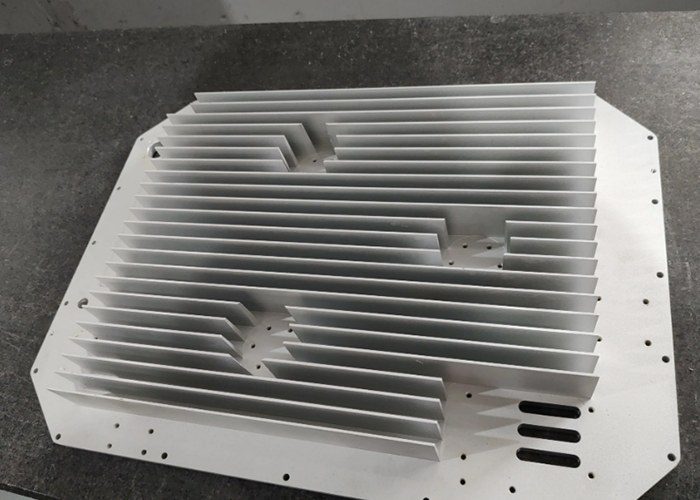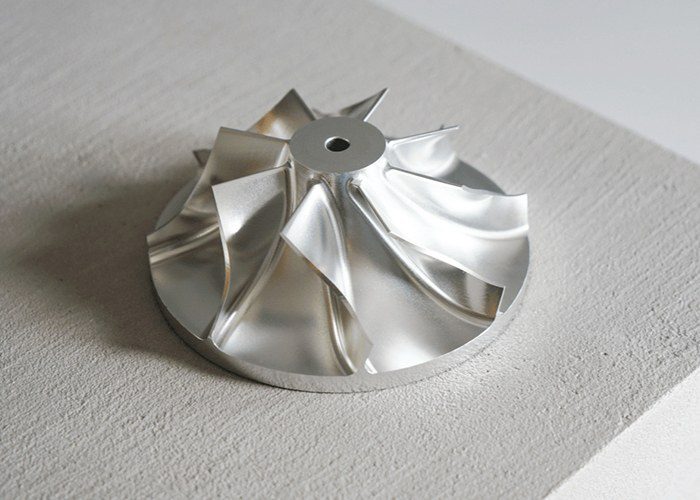
In the vast ecosystem of modern manufacturing, few technologies have revolutionized production capabilities quite like Computer Numerical Control (CNC) machining. At the heart of this technological marvel lies an often-overlooked yet absolutely essential component: CNC processing machinery parts. These precision-engineered elements form the backbone of automated manufacturing, enabling the remarkable accuracy, repeatability, and efficiency that define contemporary industrial production.
The Evolution of Precision Manufacturing
The journey from manual machining to CNC automation represents one of manufacturing’s most significant technological leaps. Traditional machine tools required skilled operators to manually control every movement, making precision dependent on human skill and subject to fatigue-induced errors. Today’s CNC machines, powered by sophisticated software and hardware, can produce components with tolerances measured in microns—a level of precision that was unimaginable just decades ago.
This transformation would be impossible without the intricate network of specialized parts that comprise a CNC system. From the spindle that rotates cutting tools at thousands of revolutions per minute to the ball screws that translate digital commands into precise linear movements, each component must function with flawless synergy.
The Anatomy of CNC Excellence
Understanding the significance of CNC processing machinery parts requires examining their specific roles in the manufacturing process. The spindle assembly, often considered the heart of the machine, must maintain exceptional rotational accuracy while withstanding tremendous forces. High-quality spindles incorporate advanced bearing systems and thermal management features to prevent expansion during operation—a critical factor when working with tolerances as tight as ±0.005mm.
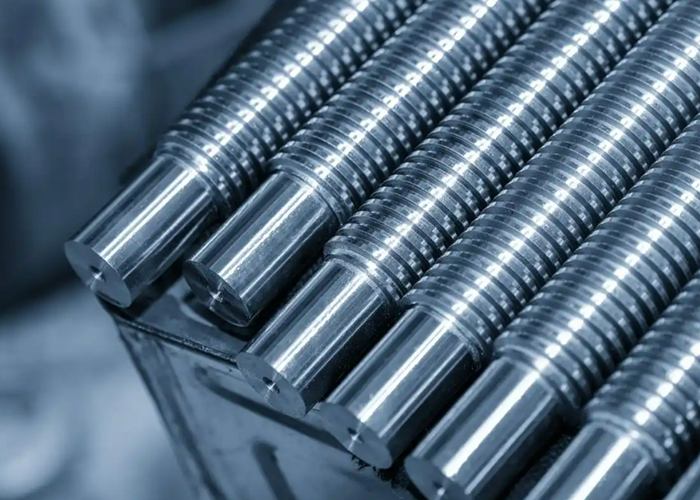
The linear motion system, comprising guideways and ball screws, transforms rotary motion into precise linear movement. These components must exhibit minimal backlash and friction while maintaining rigidity under varying loads. Modern CNC machines employ pre-loaded ball screws and roller-type guideways that can achieve positioning accuracy of 0.003mm over a meter of travel—a testament to the engineering excellence embedded in these seemingly simple parts.
The tool holding system represents another crucial category of CNC components. Tool holders must grip cutting tools with unwavering security while enabling quick changes for multi-step operations. Hydrodynamic and shrink-fit tool holders have emerged as preferred solutions for high-speed machining, offering superior gripping force and runout accuracy that directly impacts surface finish quality.
Materials and Manufacturing Processes
The production of CNC processing machinery parts themselves demands extraordinary attention to material selection and manufacturing methodology. Components destined for high-stress applications typically utilize advanced materials such as hardened steel alloys, ceramic composites, or carbide grades that offer exceptional wear resistance and dimensional stability.
Heat treatment processes play a pivotal role in achieving the required mechanical properties. Precision grinding and lapping operations create surface finishes measured in millionths of an inch, ensuring that mating surfaces achieve optimal contact and alignment. Advanced measurement systems, including coordinate measuring machines (CMMs) and laser interferometers, verify each part’s compliance with exacting specifications.
Quality Control: The Cornerstone of Reliability
The performance of any CNC machine ultimately depends on the quality of its constituent parts. Manufacturers implement rigorous quality control protocols throughout the production chain, from incoming material inspection to final dimensional verification. Statistical process control methods monitor production stability, while advanced non-destructive testing techniques detect subsurface defects that might compromise long-term reliability.
The importance of proper maintenance cannot be overstated. Even the finest CNC processing machinery parts will degrade over time without appropriate care. Regular lubrication, contamination prevention, and scheduled replacement of wear-prone components ensure sustained accuracy and prevent costly production interruptions. Many modern facilities employ predictive maintenance strategies that monitor machine conditions in real-time, identifying potential issues before they escalate into failures.
Looking Toward the Future
The evolution of CNC processing machinery parts continues at an accelerating pace. Industry 4.0 initiatives are driving the development of smarter components equipped with embedded sensors that provide real-time performance data. These intelligent parts enable adaptive machining strategies that optimize cutting parameters automatically, compensating for tool wear and material variations to maintain consistent quality.
Additive manufacturing technologies are also making inroads into the production of CNC components, enabling designs with optimized internal structures that were previously impossible to create through conventional methods. Hybrid machines that combine additive and subtractive processes in a single platform represent the next frontier in manufacturing versatility.
The global marketplace for CNC processing machinery parts has become increasingly sophisticated, with manufacturers demanding not only superior quality but also rapid availability and competitive pricing. Supply chain resilience has emerged as a critical consideration, prompting strategic stockpiling and diversification of sourcing strategies.
Conclusion
CNC processing machinery parts may operate silently behind the scenes, but their impact on manufacturing capabilities is nothing short of transformative. As industries ranging from aerospace to medical devices push the boundaries of what’s possible in precision engineering, the demand for ever-more-sophisticated CNC components continues to grow. Understanding the critical importance of these parts is essential for anyone involved in modern manufacturing, whether as a machine operator, production manager, or design engineer.
The future promises even more remarkable developments as materials science, sensor technology, and digital integration continue to advance. One thing remains certain: in the world of precision manufacturing, the quality of CNC processing machinery parts will always determine the limits of what we can achieve.