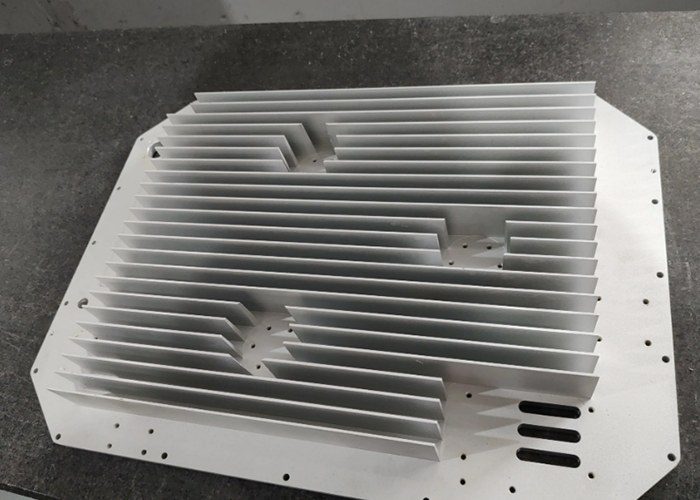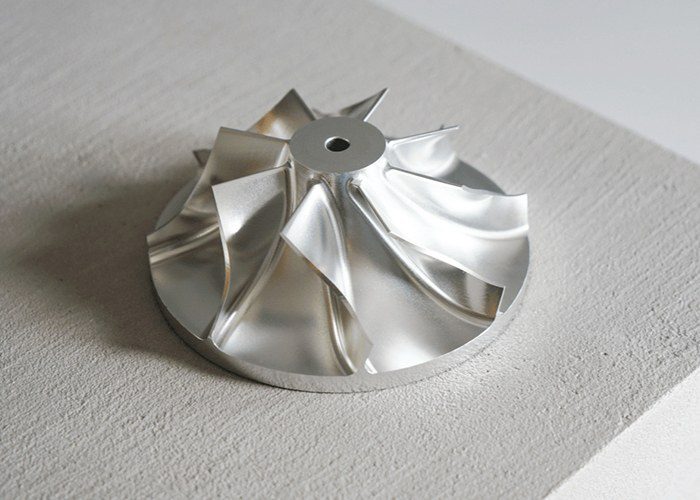
In an era defined by mass production and economies of scale, the true unsung heroes of manufacturing are often the components that do not come off a standard assembly line. Customized precision parts are the silent engines driving innovation in nearly every sector of modern industry. They are the critical, bespoke solutions that allow machines to push boundaries, medical devices to save lives, and aerospace technologies to reach new heights. While standard parts offer uniformity and cost-effectiveness, the world of customized precision parts is where engineering meets art, creating components that are as unique as the challenges they are designed to solve.
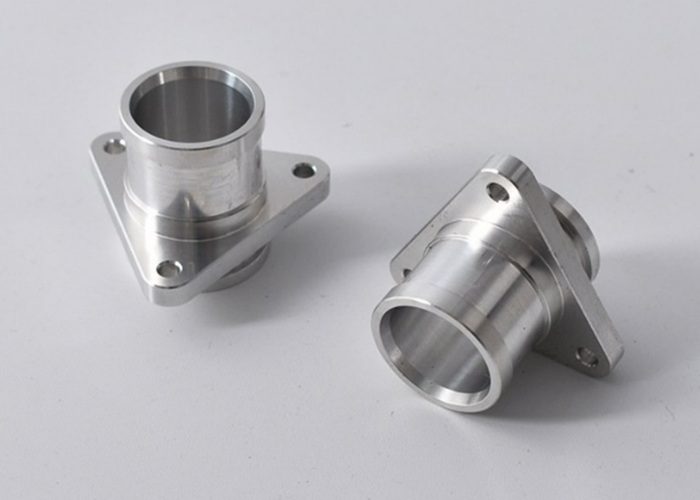
At its core, a customized precision part is a component manufactured to exact specifications that deviate from standard, off-the-shelf products. The demand for such parts is driven by the inherent limitations of generic solutions. Off-the-shelf components are designed to fit a broad range of applications, a “one-size-fits-all” approach that often results in compromises. A slightly different angle, a unique material requirement, or an intricate internal structure can render a standard part useless. Customized precision parts eliminate these compromises. They are engineered to perform flawlessly within a specific system, optimizing efficiency, durability, and performance. This level of bespoke engineering is not a luxury; in many cases, it is a necessity.
The journey from a conceptual sketch to a finished, high-tolerance component is a complex and fascinating process. It begins with a collaborative engineering phase where the client’s needs are translated into technical specifications. This often involves the use of advanced computer-aided design (CAD) software to create a detailed 3D model. This model serves as the digital blueprint for the entire manufacturing process. Modern manufacturing then leverages a suite of advanced technologies to bring this blueprint to life. Computer Numerical Control (CNC) machining is a cornerstone, using automated tools to remove material from a solid block with micrometer-level precision. For more complex geometries, techniques like Electrical Discharge Machining (EDM) can create intricate shapes that are impossible with traditional cutting tools. Furthermore, the rise of additive manufacturing, or 3D printing, has opened new possibilities, allowing for the construction of parts layer by layer, reducing waste and enabling designs that were previously unmanufacturable.
The applications for these custom components are as vast as industry itself. In the medical field, precision is a matter of life and death. Customized parts are essential for surgical instruments, implantable devices like hip replacements, and the intricate components of diagnostic equipment. These parts must not only meet exact dimensional tolerances but also adhere to strict biocompatibility and sterility requirements. Similarly, the aerospace and defense industries rely heavily on customized parts for aircraft engines, landing gear, and navigation systems. The extreme conditions of high altitude, temperature fluctuations, and intense pressure demand components made from specialized alloys with near-perfect reliability. Even in the consumer goods sector, customization plays a role. From the unique housing of a high-end smartphone to the specialized gears in an electric vehicle, these parts allow companies to differentiate their products and deliver superior user experiences.
Selecting the optimal material is a crucial decision when manufacturing custom parts. It is not simply about strength but about a combination of properties that match the application’s demands. Materials range from various grades of steel and aluminum to titanium, copper, plastics, and advanced composites. For a part requiring high tensile strength and corrosion resistance, a specific grade of stainless steel might be ideal. For lightweight applications, titanium or aluminum alloys are often preferred. For parts needing electrical insulation or flexibility, engineered plastics are the material of choice. This interplay between design, material science, and manufacturing process is what elevates the creation of a custom part from a simple task to a sophisticated engineering project. A mismatch in material choice can lead to catastrophic failure, underscoring the importance of expert guidance.
The future of customized precision parts is intrinsically linked to the ongoing digital transformation of manufacturing, often referred to as Industry 4.0. This integration of digital technologies is making the manufacturing process more intelligent, efficient, and agile. The use of AI for predictive maintenance can foresee potential machine failures before they cause downtime. Digital twins—virtual replicas of the physical part and its manufacturing process—allow engineers to simulate and optimize production before a single chip is cut, saving time and material. Furthermore, the push towards sustainability is encouraging the adoption of more efficient manufacturing processes that reduce waste and energy consumption.
In conclusion, customized precision parts are the indispensable building blocks of a technologically advanced world. They represent the pinnacle of manufacturing capability, where science, engineering, and craftsmanship converge to solve unique problems. They are the reason our cars are safer, our medical treatments are more effective, and our electronics are more capable. As technology continues to evolve, the demand for these highly specialized components will only grow, solidifying their role as the fundamental elements that power the future.