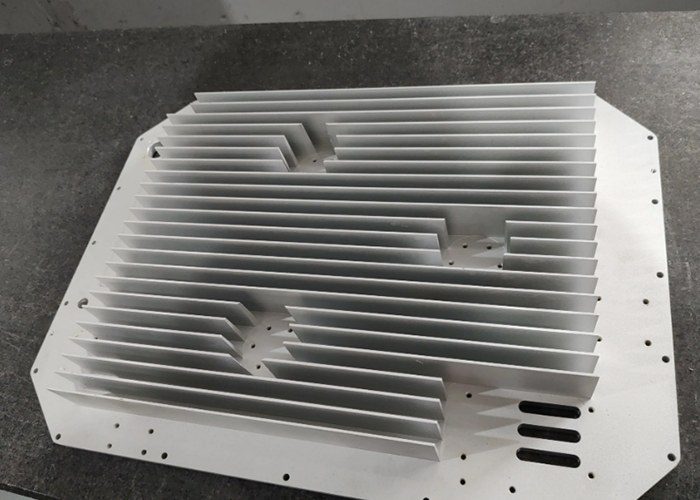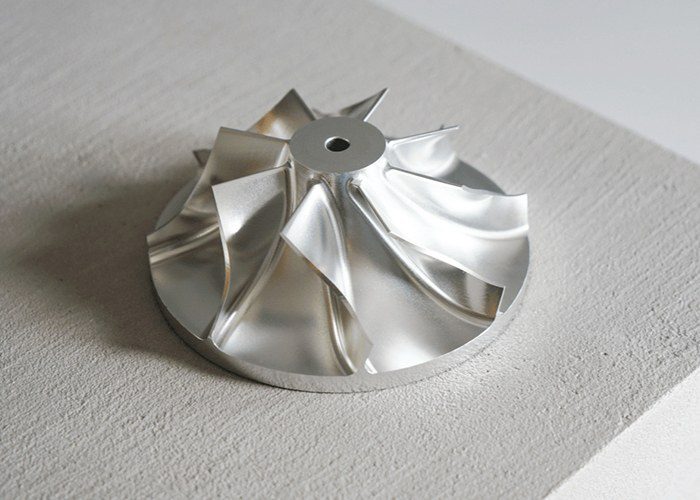
In today’s fast-paced industrial landscape, the demand for custom stainless steel spare parts has never been greater. From the intricate components of medical devices to the heavy-duty machinery that powers manufacturing plants, these precisely engineered parts play an indispensable role in keeping industries moving. The global stainless steel market is projected to reach approximately USD 150 billion by 2026, with a substantial portion attributed to the production of specialized, non-standard components. This growth reflects a fundamental shift in how industries approach maintenance, repair, and equipment design — moving away from one-size-fits-all solutions toward tailored components that deliver superior performance, longevity, and reliability.
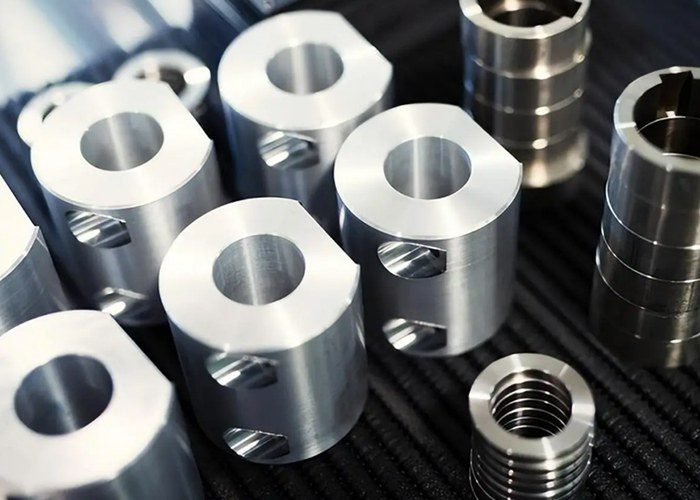
Why Stainless Steel?
The choice of stainless steel as the material of choice for custom spare parts is no accident. This versatile alloy offers an exceptional combination of properties that make it ideal for demanding applications across virtually every sector. Its natural corrosion resistance, imparted by the chromium content that forms a self-repairing oxide layer, allows components to withstand exposure to moisture, chemicals, and saline environments without degrading over time. This characteristic alone makes stainless steel indispensable in marine, chemical processing, and food production settings where traditional carbon steel would rapidly succumb to rust and contamination.
Beyond corrosion resistance, stainless steel delivers outstanding strength and durability, ensuring that custom parts maintain their structural integrity under high stress, extreme temperatures, and continuous operational loads. The material’s hygienic properties — its non-porous surface that resists bacterial buildup and withstands frequent sanitization — make it the standard choice for medical, pharmaceutical, and food-grade applications. Furthermore, stainless steel offers excellent weldability and formability, allowing manufacturers to shape it into virtually any configuration required. The aesthetic appeal and variety of available finishes add yet another dimension, enabling components that are not only functional but also visually pleasing for architectural and consumer-facing applications.
The Custom Manufacturing Process
Producing custom stainless steel spare parts is a sophisticated endeavor that combines advanced engineering, precision machining, and rigorous quality control. The process typically begins with detailed design work, where engineers create 3D models and comprehensive drawings that specify every dimension, tolerance, and surface finish requirement. These specifications are then translated into machine-readable code for computer numerical control (CNC) equipment.
The actual fabrication employs a wide range of techniques depending on the part’s complexity and intended application. CNC machining — including milling, turning, and drilling — delivers the tight tolerances and superior surface finishes that precision industries demand. For sheet metal components, processes such as cutting, bending, forming, and welding transform flat stock into functional parts. Advanced methods like electrical discharge machining (EDM), laser cutting, and centerless grinding enable the production of intricately shaped components that would be impossible to create through conventional means.
Material selection is equally critical. Grades 304 and 316 stainless steel dominate the custom parts landscape. While 304 offers excellent general corrosion resistance and cost-effectiveness for most indoor and mild environments, 316 — often referred to as “marine grade” — contains molybdenum that provides superior protection against pitting and chloride attack, making it the preferred choice for harsh or saltwater-exposed applications.
Quality Assurance and Standards
Given the critical role these parts play in ensuring operational safety and reliability, quality control is paramount. Reputable manufacturers adhere to rigorous international standards, including ASTM and ISO certifications. Comprehensive inspection protocols — from First Article inspections to in-process and final testing — verify that every component meets the exacting specifications required. Surface treatments such as passivation further enhance corrosion resistance by removing contaminants and strengthening the protective oxide layer.
Across Industries: Applications That Matter
The versatility of custom stainless steel spare parts is reflected in their widespread adoption across diverse industries. In automotive manufacturing, stainless steel components are found in fuel injectors, exhaust systems, transmission parts, and engine components where heat resistance and durability are non-negotiable. The aerospace sector relies on these parts to withstand the extreme conditions of flight, from the vacuum of space to the thermal stresses of re-entry.
Medical applications demand the highest levels of precision and biocompatibility, with stainless steel used in surgical instruments, implants, and critical care equipment. Industrial machinery depends on custom stainless steel shafts, gears, fasteners, valves, and fittings that resist wear, friction, and harsh environmental conditions. Even emerging fields like robotics and electronics benefit from the material’s strength, corrosion resistance, and precision machinability.
The Future of Custom Stainless Steel Parts
Looking ahead, the custom stainless steel spare parts industry is being transformed by technological innovation. Additive manufacturing, or 3D printing, is enabling rapid prototyping and on-demand production of complex geometries that reduce waste and shorten lead times. The integration of automation, IoT systems, and smart manufacturing practices is driving unprecedented levels of efficiency and precision. Meanwhile, the growing emphasis on sustainability is pushing manufacturers toward eco-friendly materials, reduced energy consumption, and recycling initiatives that create greener supply chains.
As industries continue to evolve and equipment becomes increasingly specialized, the need for custom stainless steel spare parts will only intensify. These components represent more than just replacements for worn or damaged parts — they are strategic investments in operational continuity, equipment longevity, and competitive advantage. For businesses that demand performance, reliability, and precision, custom stainless steel spare parts are not merely an option; they are an essential foundation of modern industrial success.