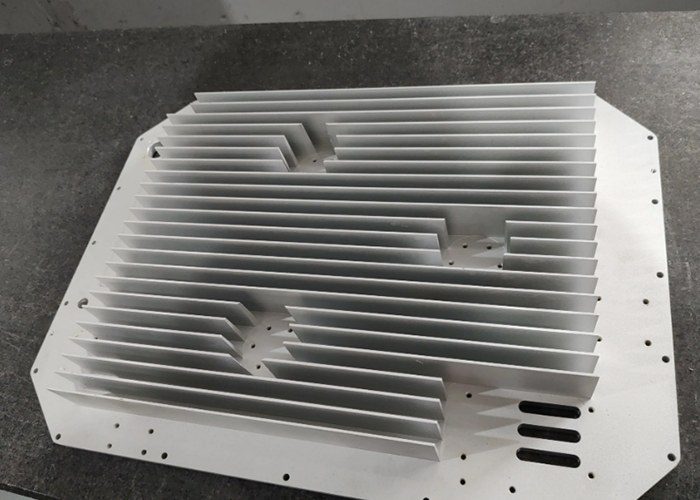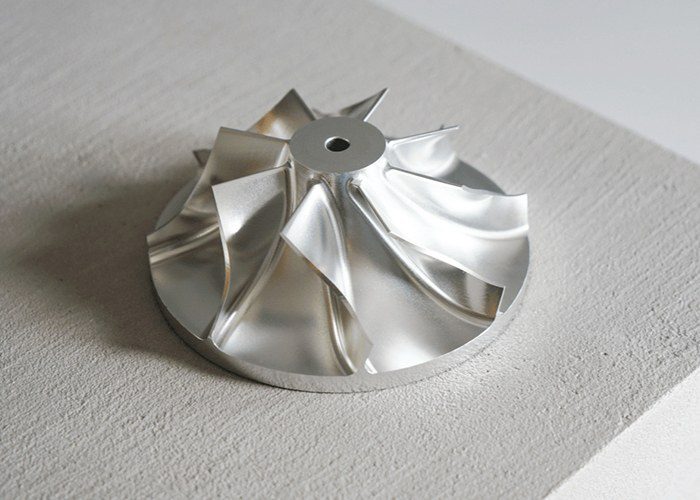
In an era where technological advancements demand exactitude at microscopic scales, Custom Precision Metal Machining has emerged as the backbone of industries ranging from aerospace to medical devices. This specialized manufacturing process is not merely about cutting or shaping metal—it is about achieving tolerances measured in microns, ensuring repeatability across thousands of parts, and tailoring every component to meet unique client specifications. This article explores the intricacies, applications, and future trends of this vital engineering discipline.
What Is Custom Precision Metal Machining?
At its core, custom precision metal machining refers to the subtractive manufacturing process where raw metal stock—such as aluminum, stainless steel, titanium, brass, or exotic alloys—is transformed into finished components with extremely tight tolerances (often within ±0.0001 inches). The “custom” aspect means that each part is designed and produced according to a client’s specific CAD (Computer-Aided Design) model, rather than being mass-produced from standard templates.
Key techniques employed include:
- CNC Milling: Rotating cutting tools remove material from a stationary workpiece to create complex geometries like slots, pockets, and 3D contours.
- CNC Turning: The workpiece rotates while a stationary cutting tool shapes it, ideal for cylindrical parts like shafts and bushings.
- EDM (Electrical Discharge Machining): Uses electrical sparks to erode hard metals, perfect for intricate cavities or fragile components.
- Precision Grinding: Achieves ultra-smooth surface finishes and exact dimensions after primary machining.
Why “Custom” and “Precision” Matter
In mass production, a standard screw or bracket may suffice. However, specialized industries demand individuality. For instance, a surgical implant must match a patient’s anatomy perfectly; a turbine blade in a jet engine needs a unique airfoil shape to withstand extreme temperatures. Off-the-shelf parts simply cannot meet these requirements.
Precision ensures:
- Functionality: Components fit seamlessly, reducing wear and failure risks.
- Efficiency: Properly machined parts minimize energy loss (e.g., in hydraulic systems or gear trains).
- Safety: In aerospace or automotive braking systems, micron-level errors can lead to catastrophic failures.
The Custom Precision Machining Workflow
Producing a custom metal part follows a rigorous, multi-step process:
- Design & Engineering: The client supplies a CAD file. Machinists analyze it for manufacturability, suggesting subtle modifications to reduce costs or improve strength.
- Material Selection: Based on application needs (corrosion resistance, hardness, weight), materials like 6061 aluminum (lightweight), 316 stainless steel (medical-grade), or Inconel (high-heat) are chosen.
- CAM Programming: The CAD file is converted into machine-readable G-code using CAM (Computer-Aided Manufacturing) software. This code directs tool paths, spindle speeds, and coolant flow.
- Setup & Machining: Workpieces are clamped onto CNC machines. Advanced setups may involve 5-axis machining, where the part rotates in five directions simultaneously, eliminating multiple setups.
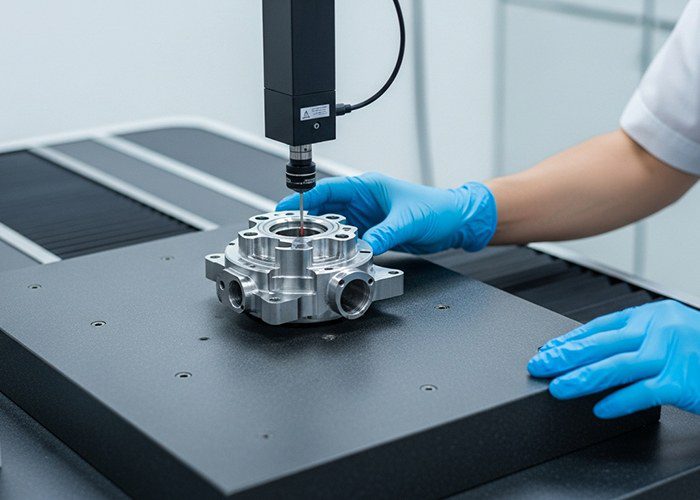
- Inspection & Quality Control: Each critical dimension is measured using CMM (Coordinate Measuring Machines), laser scanners, or optical comparators. Statistical process control (SPC) charts track variations.
- Finishing: Secondary operations like anodizing (for aluminum), passivation (for stainless steel), or plating add corrosion resistance or aesthetic appeal.
Industries That Rely on Custom Precision Machining
- Aerospace: Fuel nozzles, landing gear brackets, and engine mounts require materials that resist stress and heat. A single Boeing 787 contains over 30,000 precision-machined parts.
- Medical: Bone screws, spinal cages, and surgical tools demand biocompatibility and sterile surfaces. Micro-machining can create threads as fine as a human hair.
- Automotive: Prototype engine components, custom gearboxes, and turbocharger wheels are machined for performance vehicles.
- Defense: Firearm triggers, optics mounts, and missile guidance housings need absolute reliability.
- Electronics: Heat sinks, connector pins, and smartphone camera rings require miniature, high-tolerance machining.
Challenges and Solutions
1. Material Hardness: Machining superalloys like titanium or Hastelloy quickly wears down tools. Solution: Use diamond-coated carbide tools and high-pressure coolant systems.
2. Thermal Distortion: Heat from cutting can warp thin-walled parts. Solution: Optimize tool paths for “trochoidal milling” (circular arcs) to reduce heat buildup.
3. Cost Pressures: Custom parts are more expensive than stamped or cast alternatives. Solution: Design for manufacturability (DFM) early, combining multiple features into one machined part to reduce assembly steps.
The Future of Custom Precision Metal Machining
The industry is rapidly evolving, driven by automation and digitalization:
- AI-Driven Process Optimization: Machine learning algorithms analyze vibration, spindle load, and acoustic signatures to automatically adjust feeds/speeds in real time, boosting tool life by up to 40%.
- Hybrid Manufacturing: Integrating 3D printing (additive manufacturing) with precision machining. A near-net shape is printed near-final dimensions, then machined to exact tolerances—perfect for low-volume, high-complexity parts.
- Sustainable Machining: Minimum quantity lubrication (MQL) replaces flood coolants, reducing waste. Recyclable metal chips are compacted and returned to smelters.
- Cloud-Based CNC: Machinists upload G-codes directly to machines via secure IoT networks, enabling remote monitoring and predictive maintenance.
Conclusion
Custom Precision Metal Machining is far more than a technical process—it is a collaborative art form that bridges engineering creativity with physical reality. Whether enabling a Mars rover to withstand cosmic radiation or ensuring a prosthetic joint moves seamlessly, precision machinists work at the intersection of science and craftsmanship. As materials grow stronger and designs grow more complex, these craftsmen armed with CNC tools will continue to shape our world, one micron at a time. For any industry that refuses to compromise on quality, custom precision machining remains not just an option, but a necessity.