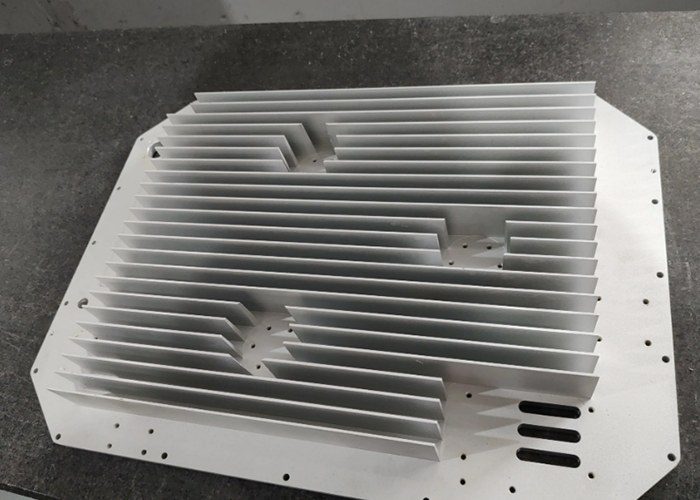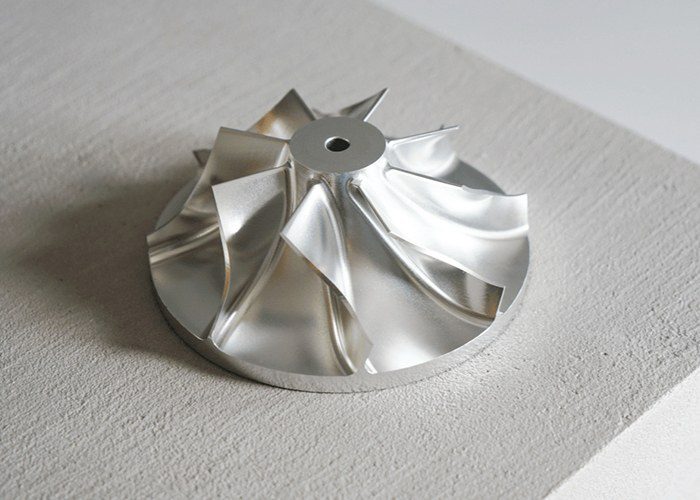
In 2025, the global machining market reached an estimated value of $1.2 trillion, with China alone accounting for over 35% of that massive figure. This staggering statistic merely scratches the surface of a deeper transformation. China has not simply dominated the CNC machining industry through sheer volume; it has fundamentally restructured the global supply chain. From the intricate components of aerospace and medical devices to the high-volume parts of electric vehicles, the phrase “China CNC Machining” has evolved from a label for low-cost production into a benchmark for precision, speed, and advanced industrial capability. This article explores how China has cemented this position through technological breakthroughs, strategic cost efficiency, and a resilient, vertically integrated supply chain.
A Dominant Force with Unmatched Capacity
The rise of China in the global CNC sector has been nothing short of historic. In 2025, Chinese machine tool exports overtook Germany for the first time, capturing a global market share of 21.6%. Beyond the machinery itself, Chinese suppliers are responsible for over 60% of global precision metal component shipments, making it an indispensable hub for international manufacturers. Crucially, the old perception of China as a mass-production-only ecosystem is outdated. Recent data shows that 43.3% of all Requests for Quotations (RFQs) in China now involve small batches of just 1 to 5 prototype units, with a median supplier response time of less than one hour. This proves that the Chinese CNC ecosystem is built for rapid iteration and design validation, not just endless assembly lines.
Technological Breakthroughs and High-End Capabilities
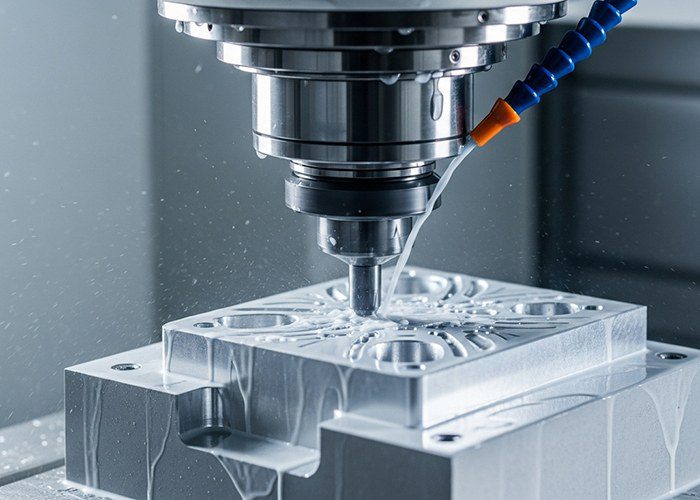
A decade ago, high-precision five-axis machining was largely the domain of German and Japanese manufacturers. Today, China has broken the monopoly. At the 14th China CNC Machine Tool Fair (CCMT2026), over 441 five-axis linkage machine tools were showcased, accounting for nearly 37% of all host exhibits. Domestic brands have closed the performance gap on global rivals, achieving micron-level tolerances of ±0.005 mm and routinely processing complex materials like Inconel 718 and titanium alloys. This advancement is powered by domestic innovation in CNC control systems, with companies like HuazhongCNC integrating AI for autonomous optimization and predictive maintenance, moving the industry toward fully intelligent smart manufacturing.
Cost, Quality, and Vertically Integrated Supply Chains
The competitive advantage of China CNC machining is no longer solely about cheaper labor—though Chinese shops maintain machine-hour rates dramatically lower than their Western counterparts. The real savings come from a fully integrated ecosystem where raw materials, tooling, surface treatments, and logistics are housed within close proximity. This vertical integration reduces lead times to as little as 7 to 10 days for standard parts, representing a total cost advantage of 20 to 40%. Furthermore, quality is assured by widespread adoption of international certifications like ISO 9001, IATF 16949, and ISO 13485, ensuring that cost savings do not come at the expense of compliance or reliability.
Diverse Applications and Future Outlook
The demand for Chinese precision machining is being driven by high-growth downstream sectors. In 2024, automotive manufacturing was the largest consumer, followed by general machinery and mold manufacturing, while medical devices are projected to be one of the fastest-growing segments at an 11.6% CAGR through 2029. The new energy vehicle (NEV) revolution, in particular, has been a game-changer, with Chinese manufacturers leveraging domestic CNC systems to produce critical components like battery trays and motor housings at costs that global rivals struggle to match.
Conclusion
China CNC machining has traversed a remarkable path from low-cost assembler to high-tech authority. Driven by policy initiatives like “Made in China 2025,” the nation has built the world’s most comprehensive machine tool industrial chain, ensuring security and resilience against global disruptions. As industries move toward micro-level precision and service-oriented manufacturing models, China stands at the forefront, ready to deliver not just parts, but complete engineering solutions. For global buyers, the question is no longer whether to source from China, but how to best leverage its advanced capabilities to drive their own innovation cycles.