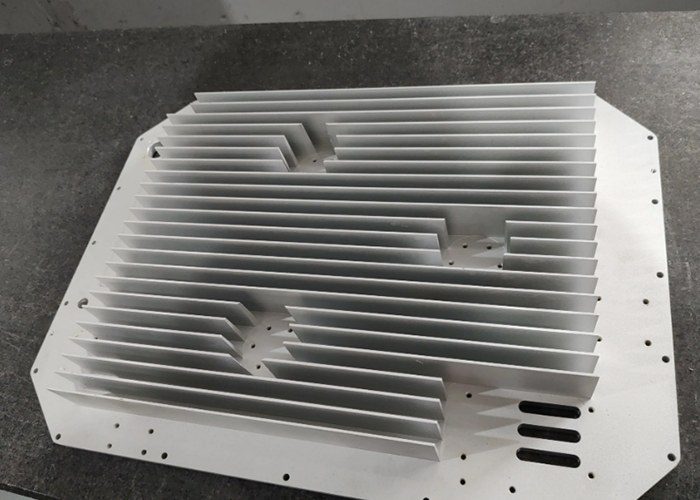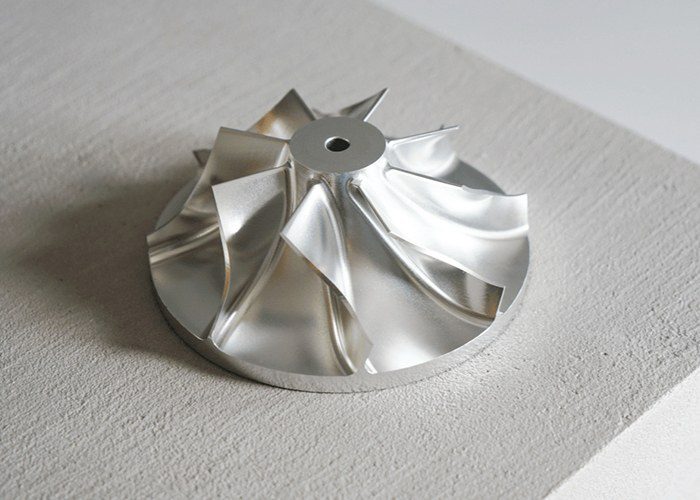
In an era defined by miniaturization, connectivity, and ever-tightening performance requirements, custom precision metal components have emerged as the unsung heroes of modern manufacturing. These intricately engineered parts—crafted to exacting specifications with tolerances measured in microns—form the critical infrastructure upon which industries from aerospace to medical devices depend. The global precision parts market was valued at approximately $213.72 billion in 2024 and is projected to grow at a robust compound annual growth rate of 9.79% through 2035, reflecting the indispensable role these components play in advancing technology across virtually every sector.
The Spectrum of Manufacturing Technologies
The production of custom precision metal components encompasses a diverse array of advanced manufacturing processes, each suited to particular geometries, volumes, and material requirements. Precision metal stamping remains one of the most widely employed techniques, involving the feeding of sheet metal through power presses equipped with specialized tooling comprising punches and dies. Modern stamping operations achieve tolerances as tight as 20 microns—comparable to the thickness of aluminum cooking foil—while enabling production rates of up to 1,500 hits per minute.
For components with complex three-dimensional geometries, Metal Injection Molding (MIM) has gained significant traction. This hybrid process combines the design flexibility of plastic injection molding with the strength and integrity of wrought metals. MIM is particularly valued for producing small, intricate parts—such as surgical instruments, orthopedic tools, and dental brackets—that would be prohibitively expensive or technically impossible to fabricate using conventional methods. The technology enables near-net-shape production, minimizing material waste and energy consumption while delivering homogeneous microstructures and isotropic material properties.
Emerging additive manufacturing technologies are further expanding the boundaries of what is achievable. Lithography-based Metal Manufacturing (LMM) combines photolithography with metal sintering to produce small, complex parts with tolerances of ±0.05 mm and surface finishes as fine as Ra 2–3 microns directly from the process. This technique requires no support structures, eliminates tooling costs, and enables rapid design iteration—advantages particularly valuable in medical and aerospace applications. Similarly, electroforming utilizing additively manufactured molds has emerged as a flexible and durable method for producing personalized metal parts with multi-level and free-form geometries, offering distinct advantages over traditional metal additive manufacturing approaches.
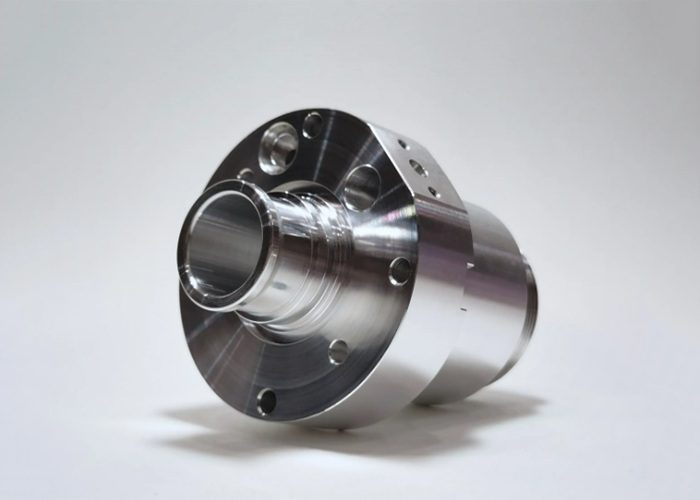
Computer Numerical Control (CNC) machining remains foundational to precision component manufacturing, with advanced multi-axis systems capable of producing components with extraordinary accuracy. These technologies are often complemented by specialized processes including wire electrical discharge machining (WEDM), which uses electrically charged wire and controlled electrical discharges to erode metal, enabling the production of intricate shapes and internal features even in hardened materials.
Materials: The Foundation of Performance
The selection of appropriate materials is paramount to the success of any precision component application. Manufacturers work with an extensive palette of metals and alloys, including stainless steel grades such as 303, 304, 316L, and 17-4PH; aluminum alloys; titanium Grade 5; copper alloys; nickel-based superalloys like Inconel®; and even precious metals including gold, platinum, and iridium. Each material is chosen for specific performance attributes—corrosion resistance, thermal conductivity, biocompatibility, or mechanical strength—tailored to the demands of the intended application.
Applications Across Critical Industries
The versatility of custom precision metal components is reflected in their adoption across a remarkable range of industries. In aerospace, these components enable weight reduction without compromising structural integrity—aluminum alloy parts combine low density with excellent machinability for spars, frames, and control surfaces. Turbine blades, engine components, and structural parts demand the highest levels of precision and reliability.
The medical device sector represents one of the most demanding applications, requiring components that meet stringent biocompatibility and cleanliness standards. Precision metal parts are essential in implantable medical cases, cranial titanium mesh, surgical instruments, stents, and orthodontic brackets. The ability to produce miniaturized, high-quality components is transforming minimally invasive procedures where precision and surface finish are critical.
In automotive applications, precision components support the transition to electric vehicles through high-reliability terminal plating for EV connectors, capable of withstanding vibration, temperature swings, and corrosive environments. The electronics and semiconductor industries similarly depend on precision metal components for connectors, contacts, and structural elements that enable the continued miniaturization of consumer devices.
Design for Manufacturability and Future Trends
The successful production of custom precision metal components requires close collaboration between designers and manufacturers from the earliest stages of product development. Design for Manufacturability (DFM) principles ensure that parts meet critical application requirements while simultaneously being optimized for efficient, cost-effective production. This collaborative approach—encompassing prototyping, feasibility checks, and iterative refinement—helps manufacturers avoid costly redesigns and accelerate time-to-market.
In the years ahead, several key trends will fundamentally reshape the industry landscape. The demand for miniaturization continues to drive innovation in micro-scale manufacturing. Sustainability is playing an increasingly crucial role, with manufacturers investing in cleaner feedstock materials, advanced sintering technologies, and automation to reduce environmental impact. The integration of additive manufacturing with traditional processes is enabling rapid prototyping and custom part production with reduced lead times. And the shift toward mass personalization—producing customized components at scale—is redefining manufacturing paradigms across the industry.
Conclusion
Custom precision metal components represent far more than simple manufactured parts—they are the enabling technology upon which modern industry depends. From the surgical instruments that save lives to the aerospace components that connect our world, these meticulously engineered parts embody the pinnacle of manufacturing capability. As technologies continue to evolve and performance demands intensify, the role of custom precision metal components will only grow in significance, driving innovation and enabling the next generation of technological advancement.