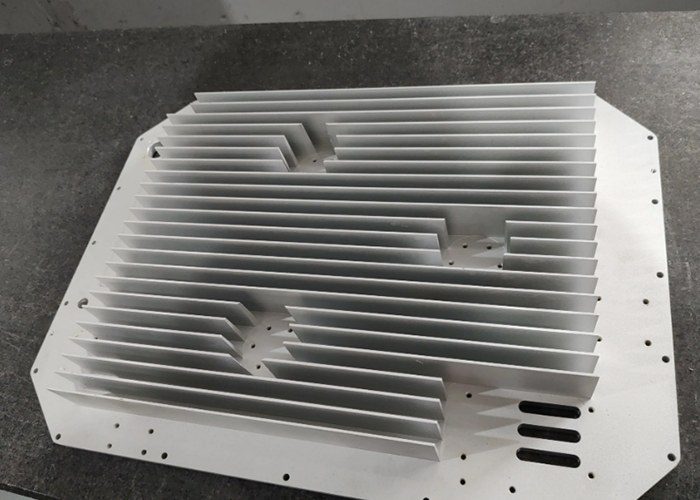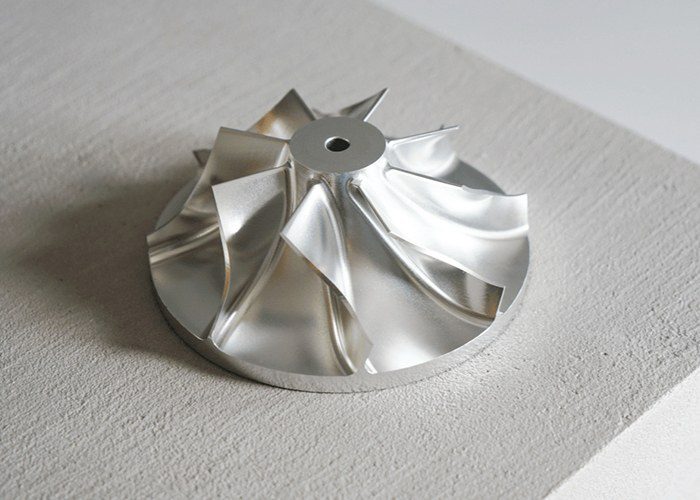
In an era defined by technological innovation, the demand for components that are both unique and manufactured with absolute accuracy is at an all-time high. At the heart of this industrial evolution lies custom precision Computer Numerical Control (CNC) machining, a process that has revolutionized how we design, prototype, and produce the parts that power our world. More than just a manufacturing method, it represents a powerful synergy between digital design and physical creation, offering unparalleled solutions for the most demanding applications.
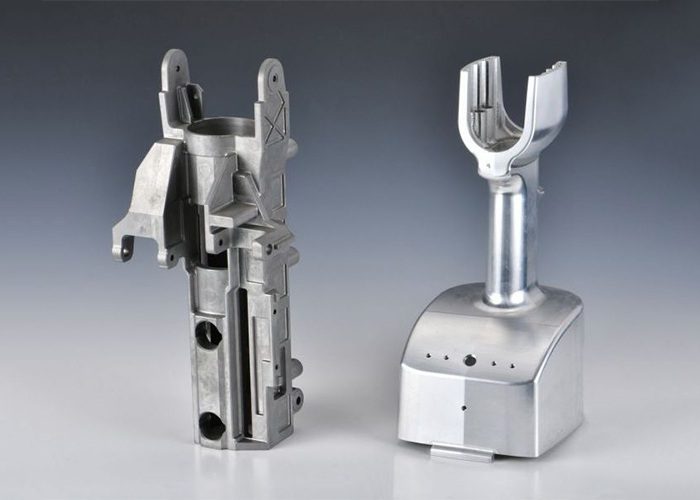
The Digital-First Process
The journey of a custom precision part begins not on a factory floor, but in the digital realm. The process starts with a detailed 3D model created using Computer-Aided Design (CAD) software. This digital blueprint is then translated into a Computer-Aided Manufacturing (CAM) program, a set of precise digital instructions that guide the CNC machine. Unlike manual machining, which relies on the skill of a human operator, CNC machining is entirely computer-guided. This digital control ensures that every cut, curve, and angle is executed with exacting repeatability, eliminating human error and guaranteeing consistency across multiple parts.
Once programmed, the CNC machine takes over, using a variety of cutting tools to mill, turn, drill, or grind the raw material into the finished product. This process is a subtractive one, meaning it carves the desired shape from a solid block of material. The sophistication of modern machinery, such as 5-axis CNC machines, allows for the creation of incredibly complex geometries in a single setup, often eliminating the need for multiple, less precise steps.
The Cornerstones of Customization: Precision and Versatility
The primary advantage of custom CNC machining is its ability to produce parts tailored exactly to a client’s specifications. This extends to every aspect of the part: its dimensions, its shape, the materials used, and the final finish. This level of customization is simply unattainable with generic, off-the-shelf methods.
- Unmatched Precision: CNC machines are capable of achieving extremely tight tolerances, often measured in microns or ten-thousandths of an inch. This is critical in industries where even the slightest deviation can impact performance and safety. For example, in aerospace, a variance of a fraction of a millimeter can be the difference between a component that fits perfectly and one that fails.
- Material Mastery: The process is incredibly versatile, capable of working with a vast array of materials. From common metals like aluminum and stainless steel to high-performance alloys like titanium and Inconel®, and even engineering plastics like PTFE and PEEK, CNC machining can shape virtually any material to meet specific requirements for strength, weight, and corrosion resistance.
- Complex Geometries: The computer-guided nature of the process allows for the production of parts with intricate shapes, deep cavities, and complex undercuts that would be challenging or impossible to manufacture using traditional methods.
Powering Critical Industries
The impact of custom precision CNC machining is felt across a broad spectrum of industries, each benefiting from its unique capabilities.
- Aerospace: This sector necessitates advanced, lightweight structures engineered to withstand severe operational stresses. CNC machining is used to produce critical parts like engine mounts, fuel flow components, and landing gear parts with the precision necessary to ensure safety and performance. The ability to machine exotic alloys and maintain strict tolerances is paramount here.
- Medical & Healthcare: The medical field relies on CNC machining to create intricate parts like orthopedic implants, surgical instruments, and implant housings. These parts require not only fine tolerances and smooth surface finishes for precision handling, but also the use of biocompatible materials and the ability to meet strict regulatory standards.
- Automotive: From high-performance racing to everyday vehicles, CNC machining is essential for producing durable, high-performance components. This includes parts like gearbox components, pistons, and custom fixtures. The technology’s adaptability allows for the rapid experimentation and optimization of designs for better performance and efficiency.
- Industrial Automation, Electronics, and Defense: The technology is also widely used to produce complex parts for industrial automation devices, electronics, and defense applications.
Designing for Success
To fully leverage the power of custom CNC machining, a “Design for Manufacturability” (DfM) approach is crucial. This involves designing parts with the manufacturing process in mind from the beginning to reduce cost, compress lead times, and improve quality. Key considerations include specifying appropriate tolerances and surface finishes (measured in Ra, e.g., a standard machined finish of Ra 3.2 µm versus a high-precision finish of Ra 0.8 µm), and ensuring that tooling can access all required surfaces.
In conclusion, custom precision CNC machining is far more than a manufacturing process; it is a cornerstone of modern engineering and innovation. By transforming digital designs into tangible, high-performance reality, it provides the critical components that drive progress in aerospace, medicine, automotive, and beyond. For any project requiring precision, durability, and customization, it remains the definitive solution.