In today’s fast-paced industrial landscape, the demand for highly precise, reliable, and application-specific components has never been greater. At the heart of this demand lies the world of Custom OEM CNC Parts—a specialized niche that combines the flexibility of computer numerical control (CNC) machining with the rigorous quality standards of original equipment manufacturing (OEM). Whether it is a critical aerospace turbine blade, a medical implant, or an automotive transmission gear, custom OEM CNC parts are the unsung heroes that keep modern machinery running smoothly. This article explores the nuances, advantages, processes, and future trends of this indispensable manufacturing sector.
Defining Custom OEM CNC Parts
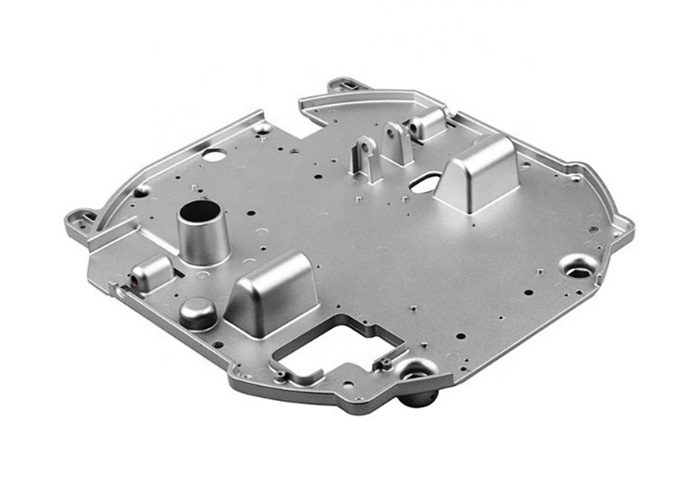
To fully appreciate their significance, it is essential to break down the term. OEM refers to companies that produce components or equipment that are marketed and sold by another company under its own brand. In the context of CNC machining, an OEM partner is responsible for manufacturing parts that meet the exact specifications, tolerances, and performance criteria set by the client—often the end-product assembler or brand owner. The “custom” aspect emphasizes that these parts are not off-the-shelf; they are engineered to fit unique designs, often with complex geometries, tight tolerances (sometimes within ±0.001 inches), and specific material requirements. CNC machining, which uses pre-programmed computer software to control cutting tools and machinery, is the preferred method for producing these parts due to its repeatability, accuracy, and ability to handle a wide range of materials, from aluminum and stainless steel to titanium, brass, and engineering plastics.
The Competitive Edge: Why Choose Custom CNC for OEM Production?
The adoption of custom CNC machining for OEM projects offers several distinct advantages over traditional manufacturing methods like manual machining or casting.
- Unmatched Precision and Consistency – CNC machines operate with computer-guided accuracy, eliminating human error. Once a program is validated, every part produced is identical to the last, ensuring batch-to-batch consistency—a non-negotiable requirement for OEMs in sectors like defense and medical devices.
- Material Versatility – Custom CNC machining can work with an extensive array of metals, alloys, and polymers, allowing OEMs to select the optimal material for each specific application—whether that means high-strength steel for load-bearing parts or corrosion-resistant titanium for marine environments.
- Rapid Prototyping to Production – Because CNC setups are digital, transitioning from a prototype to full-scale production is seamless. Design modifications can be implemented by simply updating the G-code, reducing lead times and costs associated with retooling.
- Complex Geometries Made Simple – Multi-axis CNC machines (up to 5-axis) can produce intricate shapes, undercuts, and deep cavities that would be impossible or prohibitively expensive with conventional methods. This enables OEMs to innovate without being constrained by manufacturing limitations.
- Cost-Effectiveness for Mid-to-High Volumes – While initial programming and setup cost exist, the per-unit cost decreases significantly with volume, making CNC an economical choice for production runs ranging from hundreds to tens of thousands of pieces.
The Manufacturing Workflow: From Blueprint to Finished Part
Creating a custom OEM CNC part is a meticulously structured process:
- Design and CAD Modeling – The client provides a detailed 3D solid model (e.g., STEP, IGES, or native CAD files) along with a 2D engineering drawing specifying critical dimensions, tolerances, surface finish, and heat treatment requirements.
- CAM Programming – Skilled programmers use Computer-Aided Manufacturing (CAM) software to generate toolpaths, selecting appropriate cutting tools, spindle speeds, feed rates, and coolant strategies. This step also involves simulation to detect collisions or excessive tool wear.
- Material Selection and Preparation – Raw material stock (bars, billets, or plates) is sourced according to the client’s specification, often with accompanying mill test certificates to verify chemical composition and mechanical properties.
- Machining Operations – Depending on the part, this may involve milling, turning, drilling, tapping, broaching, or grinding. Modern CNC machining centers often combine multiple operations in a single setup, reducing handling and improving accuracy.
- In-Process Inspection – Quality is monitored in real-time using probes and sensors on the machine. Critical dimensions are measured at defined intervals to detect any drift.
- Post-Processing – After machining, parts may undergo deburring, heat treatment, anodizing, plating, painting, or passivation to enhance durability and corrosion resistance.
- Final Inspection and Certification – Using coordinate measuring machines (CMM), optical comparators, and surface roughness testers, every critical feature is verified. A detailed inspection report, often with a First Article Inspection (FAI) per AS9102 standards, is delivered to the customer.
Quality Assurance: The Non-Negotiable Pillar
For OEMs, quality is not an option—it is a contractual obligation. Reputable CNC shops operate under stringent quality management systems, such as ISO 9001:2015 or industry-specific standards like AS9100D (aerospace) and ISO 13485 (medical devices). These certifications ensure traceability of materials, controlled environments, and rigorous documentation. Advanced shops also employ statistical process control (SPC) to monitor machine performance and prevent non-conformances before they occur.
Applications Across Industries
The versatility of custom OEM CNC parts is evident in their wide range of applications:
- Aerospace: Engine housings, landing gear components, structural brackets, and hydraulic fittings—all requiring high strength-to-weight ratios and fatigue resistance.
- Automotive: Cylinder heads, transmission shafts, brake calipers, and custom suspension components for both production and high-performance vehicles.
- Medical: Surgical instruments, orthopedic implants (e.g., hip stems and bone screws), and dental abutments—often made from biocompatible materials like Ti-6Al-4V.
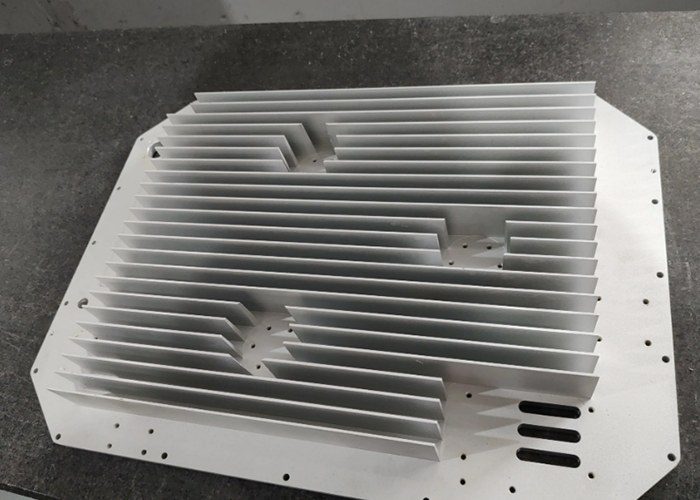
- Electronics: Heat sinks, enclosures, connectors, and waveguides for semiconductor equipment and consumer electronics.
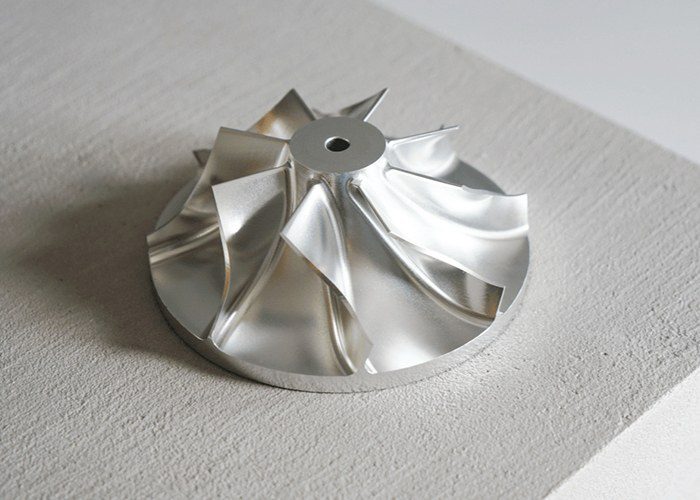
- Energy: Turbine blades, valve bodies, and pump components for oil, gas, and renewable energy systems.
Challenges and Future Outlook
Despite its many benefits, custom OEM CNC machining faces challenges. Rising raw material costs, skilled labor shortages, and the need for continuous investment in advanced multi-axis machines and automation are pressing concerns. However, the future is bright. The integration of Industry 4.0—with IoT-connected machines, real-time data analytics, and artificial intelligence for predictive maintenance—is revolutionizing the shop floor. Additionally, hybrid manufacturing (combining additive and subtractive processes) and in-situ metrology are pushing the boundaries of what is possible, enabling faster turnaround and even greater complexity.
Conclusion
Custom OEM CNC parts are far more than metal chips and machined surfaces; they are the tangible result of engineering excellence, digital precision, and unwavering quality commitment. For any OEM looking to bring a reliable, high-performance product to market, partnering with a capable CNC machining specialist is not just a procurement decision—it is a strategic investment in success. As technology evolves, these parts will continue to become smarter, lighter, and more durable, driving innovation across every industry they touch. In a world that demands perfection, custom CNC machining delivers—one precisely cut component at a time.