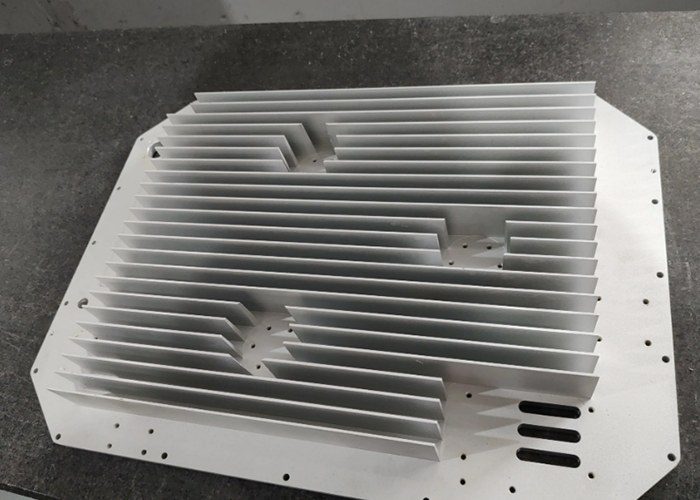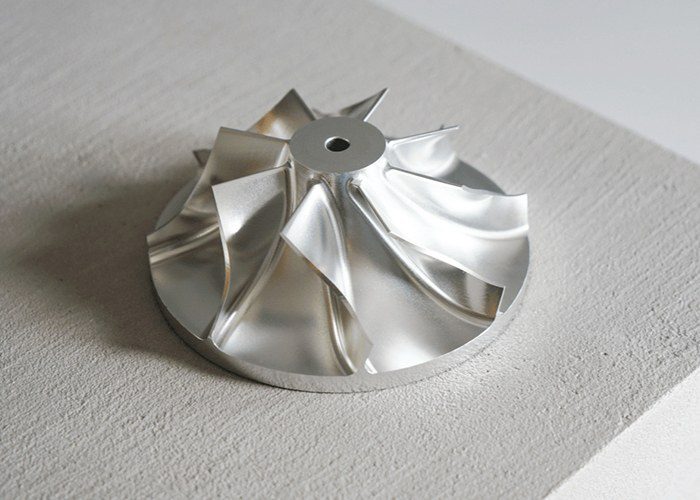
In modern manufacturing, few surface treatment techniques have achieved the widespread adoption and versatility of anodizing when paired with CNC machining. CNC anodized machining parts represent a sophisticated integration of precision manufacturing and electrochemical surface engineering—a combination that transforms standard metal components into high-performance parts capable of withstanding the most demanding industrial environments.
Understanding the Process
The journey of a CNC anodized part begins with computer numerical control machining, where raw material blanks are precisely shaped according to computer-programmed instructions to achieve exact dimensions and complex geometries. Once the machining process is complete, the component undergoes anodization—an electrochemical process in which the metal surface is converted into a stable, controlled oxide layer.
During anodizing, the machined part is connected to the positive terminal of an electrical circuit and submerged in an acidic electrolyte bath, typically containing sulfuric acid. As electric current passes through the bath, oxygen reacts with the aluminum surface to form aluminum oxide. Unlike paint or plating, which simply coat the surface, anodizing converts part of the base material itself into oxide—meaning the finish becomes an integral part of the component rather than a separate layer applied on top.
Key Advantages
The benefits of anodizing CNC machined parts are substantial and multifaceted. First and foremost is corrosion resistance: the thick, stable oxide layer protects the underlying metal from salt spray, humidity, and harsh environmental conditions. This makes anodized components ideal for applications where exposure to the elements is inevitable.
Wear resistance is another critical advantage. The hard oxide layer significantly increases surface hardness, improving resistance to abrasion and extending component lifespan. In high-stress applications where reliability is paramount, anodized parts consistently outperform their non-anodized counterparts.
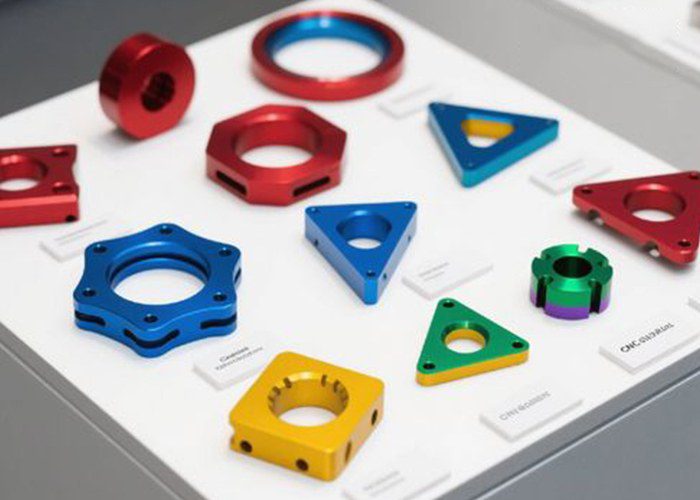
Aesthetic flexibility adds yet another dimension of value. Anodizing can produce a wide range of colors and finishes—from clear and black to red, gold, and virtually any color except white. This allows manufacturers to customize appearances for branding, product differentiation, or simply enhanced visual appeal. The anodized layer also provides electrical insulation, making these components suitable for electronic applications.
Types of Anodizing
Different applications call for different anodizing approaches. Type II anodizing, also known as sulfuric acid anodizing, is the most common type, producing a thin, clear, and hard oxide layer suitable for both decorative and functional applications. Type III anodizing, or hard anodizing, creates a thicker and harder oxide layer that provides superior wear and corrosion resistance for high-stress components. Chromic acid anodizing, frequently used in aerospace applications where fatigue resistance is crucial, produces a thin, flexible, and corrosion-resistant layer.
Material Considerations and Design Planning
While aluminum and its alloys are the most commonly anodized materials—particularly grades such as 6061, 5052, and 7075—titanium and magnesium can also undergo the process. However, engineers must carefully consider several design factors. Anodizing does not hide surface imperfections; tool marks, scratches, and other blemishes become more visible after treatment. Additionally, the oxide layer adds minimal thickness—typically less than 0.001 inch per side—but this dimensional change can affect threaded holes, bearing bores, and sliding clearances. For precision components, machining allowances must be planned before anodizing begins.
Industrial Applications
The combination of CNC precision and anodized protection has made these components indispensable across numerous industries. In aerospace, anodized CNC parts serve as aircraft structural components, engine parts, and interior fittings where lightweight strength and corrosion resistance are essential. The automotive industry relies on anodized components for enhanced wear resistance and aesthetics in everything from suspension parts to decorative trim. Medical devices benefit from the biocompatibility and durability of anodized titanium and aluminum components. Consumer electronics, robotics, and industrial machinery all incorporate anodized CNC parts for their combination of precision, protection, and visual appeal.
Conclusion
CNC machined and anodized parts demonstrate how two complementary technologies can combine to produce components whose performance surpasses the sum of their individual contributions. CNC machining delivers the precision, while anodizing provides the protection. Together, they produce components that are dimensionally accurate, corrosion-resistant, wear-resistant, visually appealing, and built to perform reliably across the most demanding applications. For engineers and manufacturers seeking durability without compromising on precision, CNC anodized machining parts represent a proven, versatile, and indispensable solution.