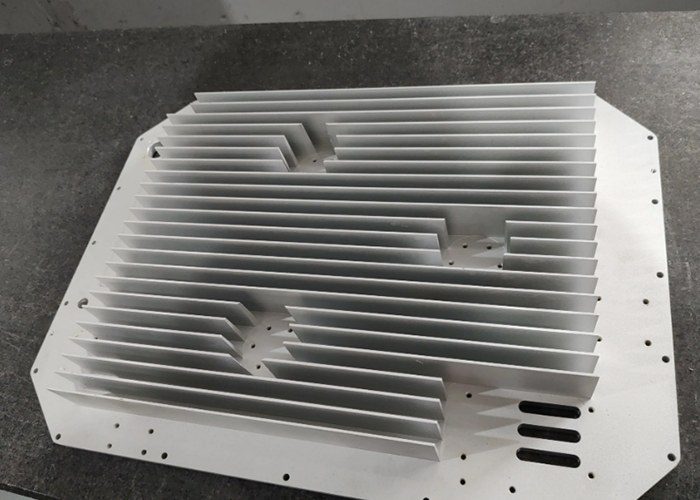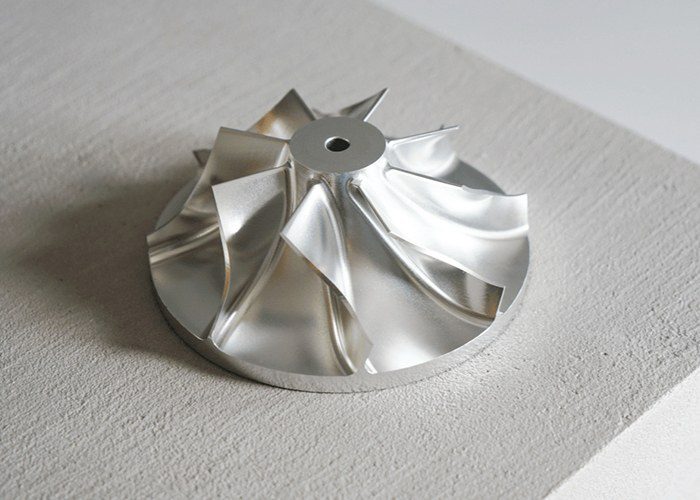
In the landscape of modern manufacturing, few material-process combinations have proven as transformative as the pairing of aluminum with Computer Numerical Control (CNC) machining. CNC aluminum parts have become the backbone of precision engineering, offering an unmatched balance of strength, lightweight properties, and machinability that makes them indispensable across industries ranging from aerospace to consumer electronics.
Why Aluminum?
Aluminum is exceptionally suited for CNC machining due to its unique combination of physical and mechanical properties. It is lightweight—roughly one-third the density of steel—yet possesses remarkable strength, delivering an exceptional strength-to-weight ratio that is critical in weight-sensitive applications. The material’s natural corrosion resistance makes it suitable for outdoor and moisture-exposed environments, while its excellent thermal and electrical conductivity enables its use in heat dissipation and electronic components. Furthermore, aluminum is highly recyclable, making it an environmentally responsible choice in an era of increasing sustainability awareness.
Perhaps most importantly, aluminum offers outstanding machinability. It cuts cleanly with minimal friction and tool wear, allowing for higher spindle speeds, faster feed rates, and smoother chip evacuation compared to steel and other metals. This translates directly into reduced production times, longer tool life, and lower manufacturing costs.
The Right Alloy for the Right Job
Not all aluminum behaves the same under a cutting tool. The selection of the appropriate alloy is critical to the success of any CNC project. Among the most commonly used grades are 6061, 7075, and 2024.
Aluminum 6061 is the workhorse of the industry—a general-purpose alloy offering good strength, excellent corrosion resistance, and superb weldability. Its wide cutting parameter window makes it easy to machine, balancing tool life and surface quality effectively. For applications requiring maximum strength, 7075 is the alloy of choice. Widely used in aerospace components such as aircraft frames and landing gear, it delivers the highest strength ceiling among common aluminum alloys but demands more careful fixturing and stress-relief planning due to its higher cutting forces. Aluminum 2024 offers high strength and excellent fatigue resistance, though it is less corrosion-resistant than 6061 and often requires protective coatings.
The Manufacturing Process
The production of CNC aluminum parts is a meticulous, multi-stage process that begins with a Computer-Aided Design (CAD) model of the part. Subsequently, this digital blueprint is converted into machine-readable G-code via CAM software, which simultaneously specifies the tool paths, feed rates, spindle speeds, and cutting depths.
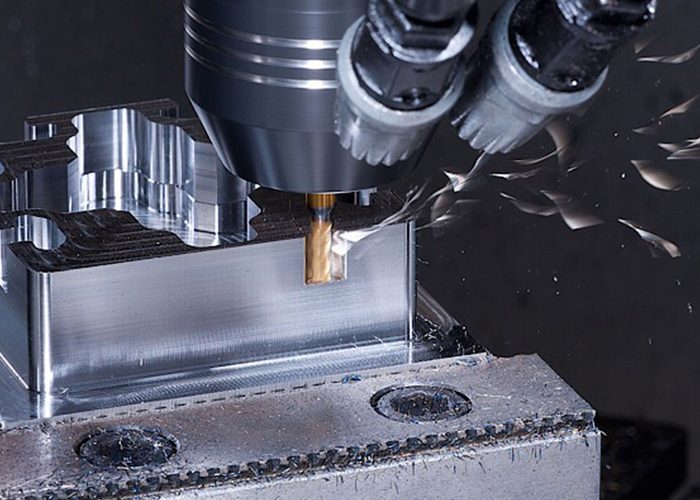
With the program loaded, the CNC machine executes the machining operations. CNC milling, the most common process for aluminum, removes material from a solid block using rotating cutting tools such as end mills, drills, and face mills. Multi-axis CNC machines—ranging from 3-axis to advanced 5-axis systems—enable the creation of complex geometries with high precision, often eliminating the need for multiple setups. Turning operations are employed for cylindrical or rotationally symmetric components.
Throughout the machining process, challenges must be carefully managed. Aluminum’s high ductility can produce long, stringy chips that may wrap around cutting tools, while its thermal conductivity—though generally advantageous—can lead to heat buildup at high cutting speeds, causing warping or dimensional inaccuracies if cooling is inadequate. Tool selection is equally critical; carbide or diamond-tipped tools are often recommended for their durability and ability to produce clean cuts.
Surface Finishing and Quality Control
Once machining is complete, surface treatments are often applied to enhance functionality and appearance. Anodizing is the most common finish for aluminum parts, creating a protective oxide layer that improves corrosion resistance, wear resistance, and durability while allowing for color customization. Other options include powder coating for a durable, decorative finish, polishing for a smooth reflective surface, and bead blasting for a matte texture.
Quality control is integral to the process. Through the integration of CMMs, optical comparators, and statistical process control, our stringent inspection protocols verify that all components strictly adhere to specified tolerances. Tolerances as tight as ±0.005 mm are routinely achieved on critical dimensions, ensuring the precision required in aerospace, medical, and other high-stakes applications.
Applications Across Industries
The versatility of CNC aluminum parts is reflected in their wide range of applications. In aerospace, they are used for structural components, spars, frames, and control surfaces where weight reduction and strength are paramount. The automotive industry relies on aluminum CNC parts for engine components, transmission parts, chassis elements, and battery enclosures in electric vehicles to reduce weight and improve efficiency. In electronics, aluminum housings, heat sinks, and structural components leverage the material’s thermal management and electrical performance. The medical sector benefits from aluminum’s lightweight, corrosion-resistant, and non-magnetic properties in instrument housings and surgical components.
A Growing Market
Driven by rising industrial requirements, the global aluminum CNC machining market is experiencing robust growth in demand for precision components. Valued at an estimated $3.57 billion in 2025, the market is projected to grow at a compound annual growth rate of 7.2% in the coming years, driven by increasing industrial automation, the rise of electric vehicles, and the relentless push for lightweight, high-performance materials across all sectors.
Conclusion
CNC aluminum parts represent a triumph of modern manufacturing—a perfect synergy between a remarkable material and a precision process. As industries continue to demand lighter, stronger, and more complex components, the role of CNC aluminum machining will only grow. With ongoing advancements in multi-axis technology, AI-assisted process optimization, and sustainable manufacturing practices, the future of CNC aluminum parts is not just bright—it is being machined into reality, one precise cut at a time.