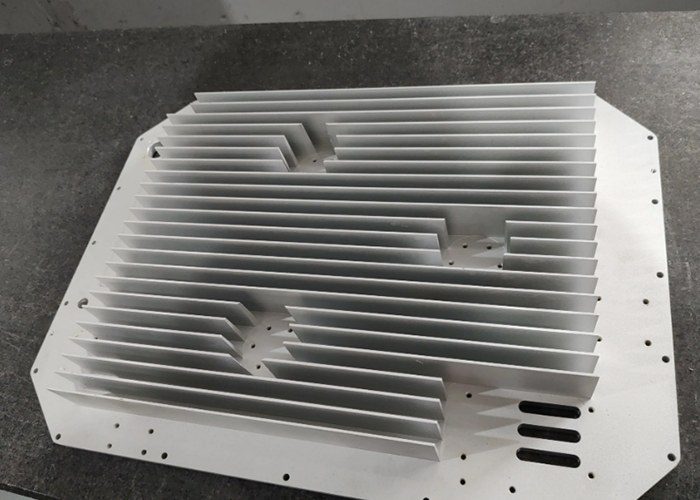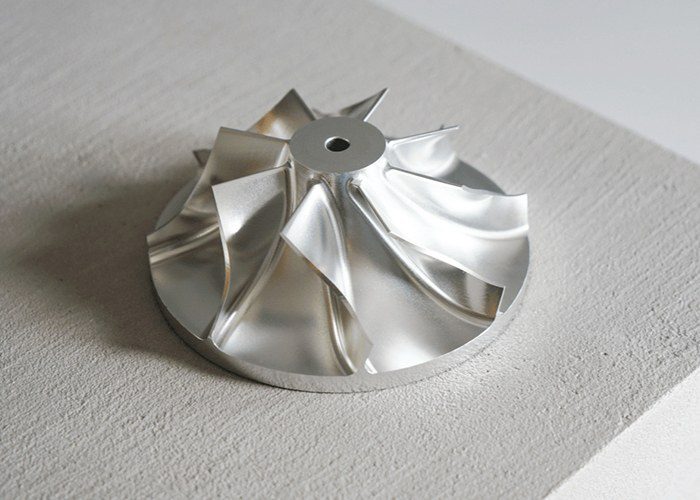
In the vast ecosystem of modern manufacturing, few processes are as foundational as CNC turning. Walk into any machining facility, and you will see lathes spinning—producing rings, adapters, bushings, fittings, and countless other components that keep industries running. At the heart of this operation lies a critical category of products: CNC turning spare parts. These are the precision-engineered components produced by computer numerical control (CNC) lathes, which shape raw materials into cylindrical parts with extraordinary accuracy. Understanding these parts—their types, materials, applications, and the ecosystem that supports them—is essential for anyone involved in industrial procurement, engineering, or manufacturing management.
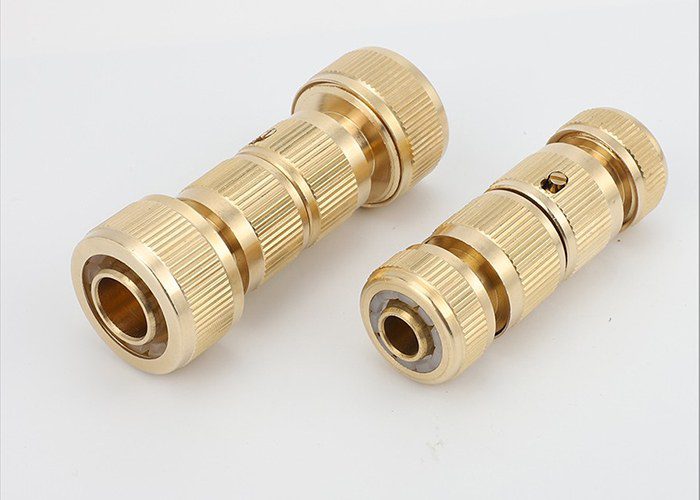
What Are CNC Turning Spare Parts?
CNC turning is a subtractive machining process in which a rotating workpiece is held in a chuck or collet while stationary cutting tools remove material to create the desired shape. In contrast to milling, which moves the tool around a stationary workpiece, CNC turning spins the workpiece itself on a central axis. This rotational method is ideal for producing symmetrical parts, from rods and shafts to bushings and threads. The process begins with a CAD design, which is converted into a CNC program through CAM software that generates precise tool paths and machining parameters. The result is components that meet exacting dimensional specifications with remarkable repeatability.
Common Types of CNC Turning Spare Parts
The range of parts produced through CNC turning is vast, but several categories appear most frequently across industries. Shafts and axles are perhaps the most recognizable—cylindrical components used to transmit power in motors, pumps, and drives, often held to tolerances around ±0.01 mm. Bushings and spacers act as sleeves that reduce friction in rotating assemblies, making them critical for applications ranging from automotive suspension systems to aerospace landing gear. Threaded fasteners—custom bolts, screws, and studs—are cut with single-point threading or thread rolling to meet Class 2A/2B and 6g/6H tolerance standards. Other common parts include housings and sleeves with snap ring grooves and flange faces, end caps and covers requiring excellent surface finishes, and nozzles and fittings with complex internal tapers. Pins, dowels, pulleys, and connectors round out the typical portfolio of CNC turned components.
Materials That Make the Difference
The versatility of CNC turning is reflected in the wide range of materials it can accommodate. Metals dominate the landscape, with stainless steel, aluminum, and titanium being the most widely used. Stainless steel offers excellent strength and corrosion resistance; aluminum provides lightweight properties with ease of machining; and titanium is favored in high-performance applications where strength-to-weight ratio is critical. Beyond metals, CNC turning also works with various plastics—including ABS, PEEK, PTFE, and nylon—as well as ceramics, composites, and even exotic materials like Inconel and Kovar. The choice of material depends on the application’s requirements for strength, durability, temperature resistance, and biocompatibility.
Applications Across Critical Industries
CNC turning spare parts find their way into virtually every sector of modern industry. Critical to the automotive industry, these systems handle the production of engine crankshafts, transmission gears, steering knuckles, and brake parts, where micron-level precision must be balanced with mass-production efficiency. The aerospace industry relies on CNC turning for turbine blades, engine casings, and landing gear components that must withstand extreme environments. In medical devices, the process enables the production of artificial joints, surgical instruments, and dental implants with the high surface finish required for biocompatible materials. Energy equipment applications include wind turbine main shafts, hydraulic valve bodies, and oil drilling tools. Even electronics and telecommunications depend on CNC turning for miniaturized parts such as connectors, heat sinks, and precision housings.
The Critical Role of Replacement and Maintenance
While the finished parts are the end product, the CNC turning machines themselves require their own ecosystem of spare parts to function reliably. Spindles, bearings, tool turrets, guideways, and ball screws are among the most frequently replaced components. Precision components like spindle bearings typically last 3-5 years, while wear parts such as guideway strips may need annual replacement in heavy-use environments. Tool holders, way covers, and limit switches top the list of parts that require regular attention due to constant mechanical stress. When these components fail, the cost can be substantial—downtime alone can cost manufacturers up to $5,000 per hour. This is why proactive maintenance—including daily cleaning, weekly lubrication checks, monthly spindle runout testing, and scheduled replacement of wear parts—is essential for keeping production lines running smoothly.
Quality Control and Precision Standards
The precision tolerances required for CNC turning spare parts are extremely stringent. Many components must hold tolerances of ±0.01 mm or better, with some applications requiring accuracy down to ±0.0002 inches. Achieving this level of precision requires rigorous quality control at every stage of production. Leading manufacturers implement multi-stage QC processes: incoming raw material inspection, in-process monitoring, first-article approval, and final inspection using coordinate measuring machines (CMM), projectors, and roughness testers. Comprehensive documentation—including surface finish reports, hardness testing results, and third-party certifications—supports traceability and regulatory compliance.
Market Trends and Future Outlook
The market for CNC turning spare parts and precision-turned components is experiencing robust growth. The global CNC precision parts market was valued at $11.8 billion in 2024 and is expected to reach $20.5 billion by 2035, growing at a CAGR of 5.1%. The precision turned product manufacturing market is even larger, projected to grow from $108.6 billion in 2025 to over $172 billion by 2031. Key drivers include increasing adoption of CNC-based turning operations, rising demand for high-precision and tight-tolerance components, growing use of multi-axis turning centers, and expansion of precision turned parts in automotive applications. The Asia-Pacific region, particularly China, is projected to witness the highest growth due to rising manufacturing activities and increasing foreign investments.
Technological advancements are also shaping the industry. AI-driven CNC machines, improved automation processes, and cloud-enabled digital factory platforms are expected to significantly enhance efficiency and accuracy. The demand for custom CNC machined parts is skyrocketing as industries increasingly seek tailored solutions for their specific operational needs.
Conclusion
CNC turning spare parts represent far more than simple metal components—they are the precision-engineered building blocks that enable modern industry to function. From the shafts that transmit power in automotive engines to the surgical instruments that save lives, from the aerospace components that defy gravity to the connectors that power our digital world, these parts touch nearly every aspect of contemporary life. As manufacturing continues to evolve toward greater precision, automation, and customization, the importance of CNC turning spare parts will only continue to grow. For engineers, procurement professionals, and manufacturing leaders, understanding this critical category of components is not just advantageous—it is essential.