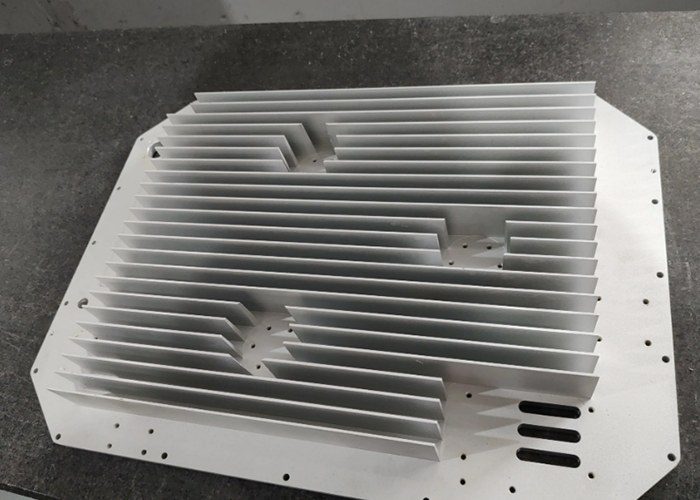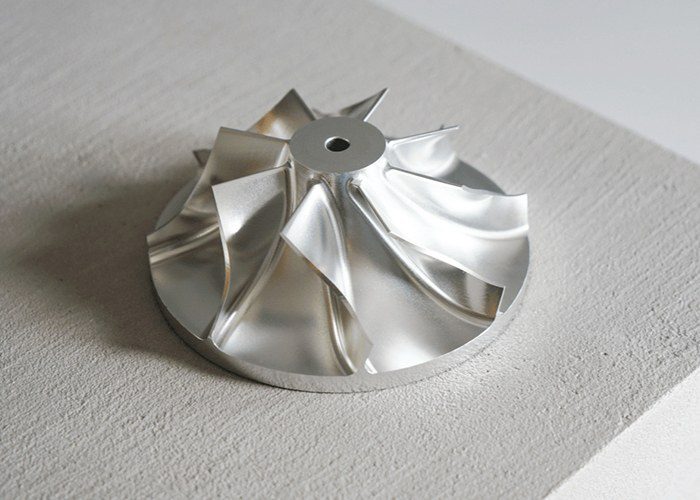
In the landscape of contemporary manufacturing, few processes are as foundational—or as transformative—as custom lathe machining. At its core, this technology involves the precision manufacturing of components using Computer Numerical Control (CNC) lathes, machines that rotate a workpiece while a cutting tool removes material to create the desired shape. What sets custom CNC lathe machining apart is its ability to produce parts tailored to exacting specifications, with unparalleled accuracy and repeatability. From the smallest medical implant to critical aerospace components, custom lathe machining parts are the unsung heroes that keep industries moving forward.
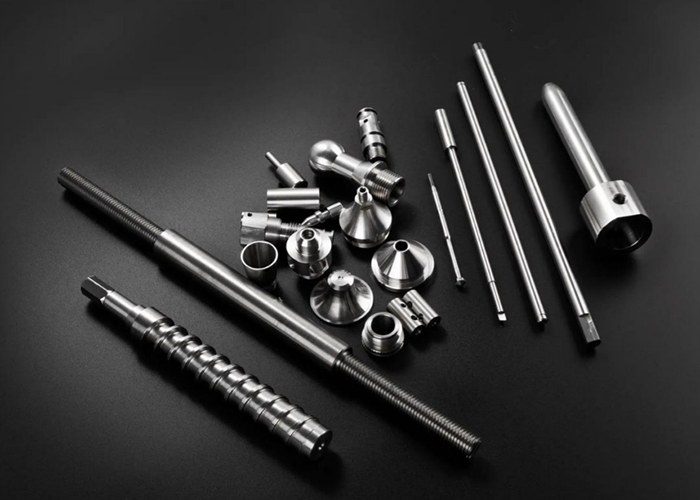
The Precision Process: From Concept to Component
The journey of a custom lathe-machined part begins long before metal meets cutting tool. It starts with the creation of a detailed 3D model using Computer-Aided Design (CAD) software, where every specification—dimensions, tolerances, surface finishes, and features like holes, threads, and grooves—is meticulously defined. This digital blueprint then undergoes programming, where the design is converted into a set of precise instructions that guide the CNC machine through every cut, shape, and form.
The actual machining process is a marvel of automated precision. The workpiece is securely clamped in the spindle and rotated at controlled speeds, while the tool turret—holding multiple cutting tools—automatically positions the required tool for each stage of the operation. Operations may include turning, facing, drilling, threading, grooving, and other specialized processes. This automation ensures highly repeatable machining and enables manufacturers to produce complex parts with tight tolerances, making CNC lathes essential in modern precision manufacturing.
What truly distinguishes custom lathe machining is its flexibility. Depending on production requirements, manufacturers can deploy horizontal, vertical, or multi-axis systems, each supporting different workpiece sizes and levels of machining complexity. Advanced configurations like Swiss-type lathes are specifically designed to rapidly produce small, often slender parts with very tight tolerances, while turn-mill composite machines integrate multiple operations in a single setup, significantly reducing production time.
Materials and Versatility
One of the greatest strengths of custom lathe machining is its remarkable material versatility. The process can accommodate an extensive range of metals—including steel, stainless steel, aluminum, brass, bronze, copper, titanium, and hardened metals—as well as plastics, composites, and specialty alloys. Material selection is guided by factors such as mechanical properties, corrosion resistance, thermal conductivity, and cost considerations. For high-performance applications, advanced alloys like Inconel 625 and titanium grades are readily machined to meet stringent requirements.
Precision That Defines Excellence
The precision achievable with custom CNC lathe machining is nothing short of extraordinary. Standard CNC lathes reliably achieve ±0.01mm tolerances, with cutting-edge equipment extending accuracy to ±0.005mm—a threshold measured in microns. Complementing this precision, surface finishes can be honed to Ra 0.2 μm, making them indispensable for high-stakes applications that demand minimal friction and maximal efficiency. This micron-level accuracy ensures that every part consistently meets exact specifications, eliminating the variability inherent in manual machining.
Across Industries: Where Custom Parts Make the Difference
The applications of custom lathe machining parts span virtually every sector of modern industry. In aerospace, the technology crafts jet engine components with high precision, producing parts for aircraft programs ranging from the F-16 to the F-35. The medical industry relies on CNC-turned components for surgical instruments, orthopedic implants, dental devices, and connectors—applications where precision is literally a matter of life and health. The automotive sector depends on custom lathe parts for engine components, braking system elements, and transmission parts. Beyond these, the technology serves electronics, robotics, hydraulics, industrial machinery, and renewable energy sectors.
The Competitive Edge: Why Custom Matters
Choosing custom lathe machining over casting, forging, or other manufacturing methods offers distinct advantages. CNC lathes achieve higher accuracy and dimensional consistency, are suitable for low-volume production where tooling costs would be prohibitive for casting or forging, and can easily machine complex geometries that would be limited or impossible with traditional methods. Furthermore, production cycle times can be up to 60% faster than traditional lathes, with some implementations reporting 40% reductions in overall production time.
The Future of Custom Lathe Machining
As manufacturing continues to evolve, custom lathe machining remains at the forefront of innovation. Advanced CAD/CAM software, real-time monitoring sensors, and servo-driven motion systems continue to push the boundaries of what is possible. The integration of artificial intelligence, 5G connectivity, and industrial automation is opening new frontiers, while the demand for ever-tighter tolerances and more complex geometries drives continuous refinement of the technology.
In conclusion, custom lathe machining parts represent far more than manufactured components—they are the precision backbone of modern industry. Through the seamless integration of digital design, automated precision, and material expertise, this technology delivers parts that meet the most demanding specifications across the world’s most critical sectors. From the depths of medical operating rooms to the heights of aerospace engineering, custom CNC lathe machining continues to turn raw materials into the precision components that power our world.