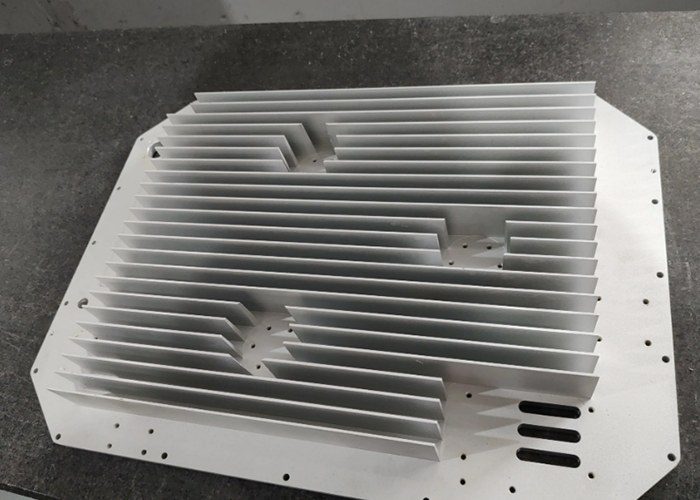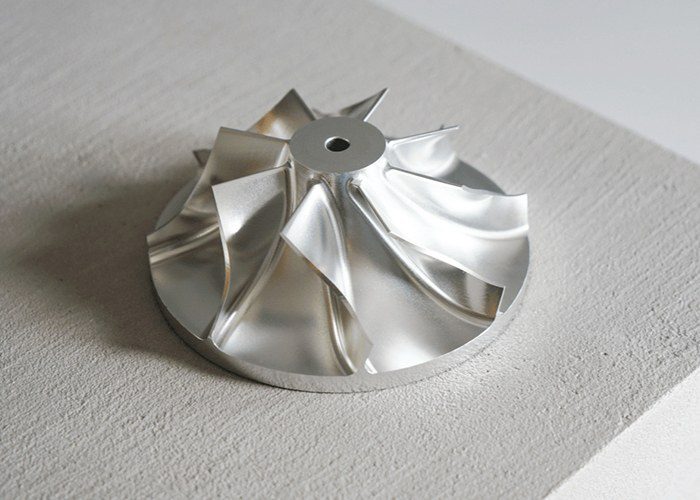
In the intricate ecosystem of modern industry, the ability to maintain, repair, and upgrade machinery efficiently is paramount. At the heart of this capability lies CNC (Computer Numerical Control) processing of spare parts—a technology-driven manufacturing process that has revolutionized how replacement components are produced. CNC machining spare parts refers to the automated precision manufacturing of replacement or backup components crafted to meet exacting standards, ensuring that machinery across countless sectors can continue operating with minimal disruption.
The Core Advantages of CNC-Machined Spare Parts
The dominance of CNC machining in spare parts production is rooted in several compelling advantages that traditional manufacturing methods simply cannot match. Foremost among these is unparalleled precision and accuracy. CNC machines operate with extremely tight tolerances, often in the micrometer range, achieving ±0.01mm precision for critical applications. This level of accuracy ensures that replacement parts fit perfectly into existing assemblies, maintaining the original machine’s performance specifications. Whether producing a shaft for an industrial pump or a housing for an aerospace component, CNC machining delivers the dimensional consistency that high-performance equipment demands.
Repeatability is another hallmark of the CNC process. Once a part design is programmed, CNC machines can produce identical copies with virtually no variation between units. This consistency is invaluable for maintenance operations that require multiple identical spare parts over time, as it guarantees that each replacement will perform exactly as its predecessor.
The ability to fabricate complex geometries further distinguishes CNC machining from conventional methods. Modern multi-axis machining centers—particularly five-axis systems—can produce intricate contours and free-form surfaces efficiently, often completing several machining steps in a single setup. This capability is essential for spare parts with sophisticated designs that would be impossible or prohibitively expensive to produce using manual techniques.
Material Versatility and Processing Capabilities
CNC machining offers exceptional flexibility in material selection, accommodating everything from common metals to advanced engineering plastics. Metals commonly processed include aluminum, stainless steel, titanium, brass, copper, and various tool steels. Each material is selected based on specific requirements such as strength, wear resistance, and corrosion resistance. Engineering plastics like PEEK, Delrin, Nylon, and PTFE are frequently used for spare parts requiring lightweight, non-corrosive, or electrically insulating properties. In specialized applications, advanced materials like carbon fiber composites or technical ceramics may be employed.
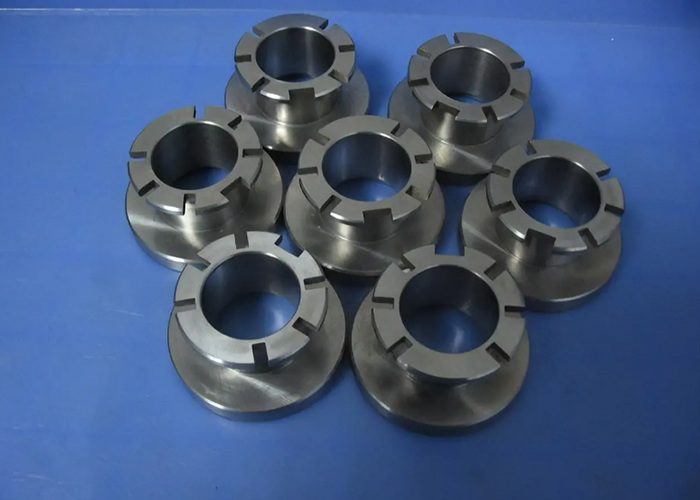
The CNC machining process encompasses a range of operations tailored to different part requirements. Milling removes material to create complex geometries and precision surfaces. Turning produces cylindrical components such as shafts, bushings, and rings. Grinding delivers exceptional surface finish quality and tight dimensional accuracy. Drilling and tapping create precise holes and threads ensuring proper alignment with other components. Additional processes like Electrical Discharge Machining (EDM) handle hard metals that are difficult to machine through conventional means.
Critical Applications Across Industries
CNC-machined spare parts are indispensable across virtually every industrial sector, each with unique demands and standards.
In the aerospace industry, spare precision parts are critical for maintaining aircraft, engines, and related systems. These components must meet stringent safety and performance standards, including certifications such as AS9100. The synergy of tight tolerances and high-performance materials positions CNC machining as the undisputed gold standard in aerospace part production
The automotive sector relies heavily on CNC machining for spare parts ranging from engine components and transmission parts to suspension elements. With automotive production lines accounting for a significant share of CNC machine usage, the ability to produce precision replacement parts quickly is essential for minimizing vehicle downtime.
Medical device manufacturing demands spare parts manufactured to exacting standards to ensure patient safety and device functionality. Certifications such as ISO 13485 are often required for suppliers serving this regulated industry.
Industrial machinery, including production lines, robotic systems, and heavy equipment, depends on precision spare parts to prevent costly downtime and ensure smooth operation. Quick-turn CNC machining enables the production of durable, production-grade replacement parts with tight tolerances for maintenance, repair, and operations (MRO) applications.
The electronics industry benefits from CNC-machined spare parts such as custom enclosures, connectors, and cooling components that must be precisely manufactured to ensure proper fit and function.
The Manufacturing Process: From Design to Delivery
The journey of a CNC-machined spare part begins with a digital 3D model created using CAD (Computer-Aided Design) software. This design is then translated into machine-readable G-code through CAM (Computer-Aided Manufacturing) software. The CNC machine interprets these instructions to precisely position cutting tools and guide the machining process.
Material selection follows, with the appropriate metal, plastic, or composite chosen based on the part’s specific requirements. The workpiece is secured to the machine, and the CNC system executes the programmed operations—milling, turning, drilling, or a combination thereof—with minimal human intervention. Throughout the process, quality is continuously monitored to ensure components remain within specified tolerances.
After machining, parts undergo finishing processes such as deburring, polishing, or protective coating application. Finally, rigorous inspection using precision measuring equipment—including calipers, micrometers, and coordinate measuring machines (CMMs)—verifies that each part meets its dimensional and quality specifications.
Industry Trends and the Future Outlook
The CNC machining spare parts industry is undergoing significant transformation driven by technological advancement and evolving market demands. The global CNC precision parts market was valued at USD 8.2 billion in 2024 and is projected to reach USD 14.5 billion by 2032, exhibiting a compound annual growth rate of 7.4%.
Digitalization and Industry 4.0 are reshaping the manufacturing landscape. The integration of IoT sensors, advanced analytics, and AI-driven manufacturing enables “lights-out” factories where production continues with minimal human oversight. These technologies enhance production efficiency and ensure superior quality control in spare parts sourcing.
Sustainability has become a core focus for procurement strategies. Manufacturers are increasingly adopting eco-friendly practices, promoting the recyclability of spare parts, and reducing their carbon footprint. Remanufactured CNC parts—when produced through rigorous processes—can offer equivalent quality, performance, and reliability to new parts while minimizing industrial waste.
The rise of hybrid manufacturing approaches, combining additive manufacturing (3D printing) with precision CNC machining, opens new possibilities for spare parts production. This combination allows for the realization of complex geometries while maintaining the dimensional accuracy and surface quality that CNC machining provides.
Small-batch and on-demand production is becoming increasingly important, particularly for maintenance applications where only a limited number of replacement parts are needed. Aviation maintenance departments, for example, frequently produce 50-100 replacement parts through small-batch CNC machining. This approach eliminates the need for costly tooling and excess inventory while ensuring rapid response to urgent replacement needs.
Conclusion
CNC processing of spare parts represents a cornerstone of modern industrial capability. The combination of micron-level precision, material versatility, complex geometry capabilities, and rapid production makes CNC machining the preferred method for manufacturing replacement components across aerospace, automotive, medical, industrial, and electronics sectors. As digitalization, sustainability, and hybrid manufacturing continue to evolve, the role of CNC-machined spare parts in maintaining the world’s industrial infrastructure will only grow more significant. For manufacturers and maintenance professionals alike, understanding and leveraging the power of CNC machining for spare parts is not merely an operational advantage—it is an essential requirement for competitiveness and reliability in the modern industrial landscape.