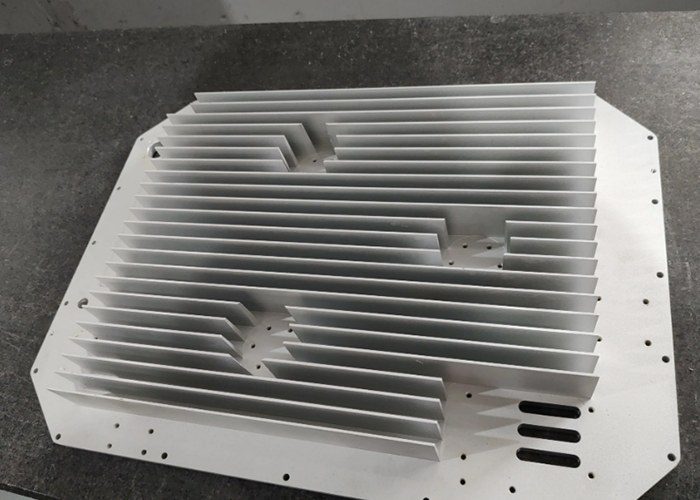
In the evolving landscape of modern manufacturing, the ability to transform a digital design into a physical object with exacting precision is the benchmark of industrial capability. At the heart of this transformation lies Custom Milling Service—a sophisticated subtractive manufacturing process that utilizes Computer Numerical Control (CNC) to create bespoke parts from raw materials. As we progress through 2026, the demand for these services is not merely about cutting material; it is about engineering certainty, optimizing supply chains, and enabling innovation across critical Industries including aerospace, medical devices, and automotive engineering.
The Anatomy of Custom Milling
To understand the value of a custom milling service, one must first appreciate the process itself. Unlike standard manufacturing that relies on pre-set tooling for mass production, custom milling is inherently flexible. It involves the use of rotating cylindrical cutting tools to remove material from a workpiece, based on instructions fed by CAD (Computer-Aided Design) models.
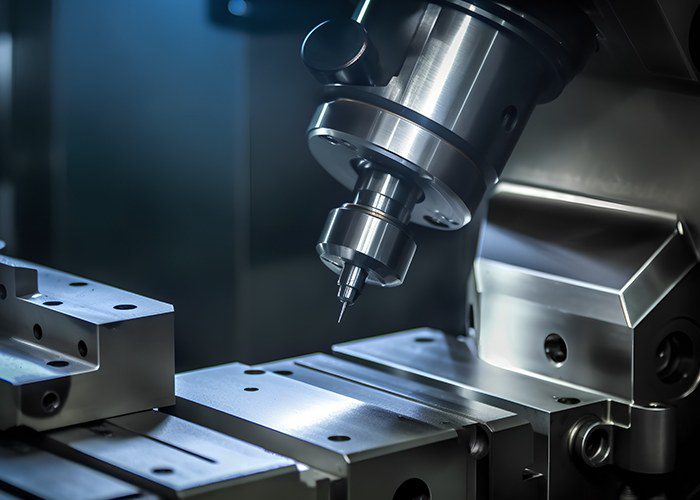
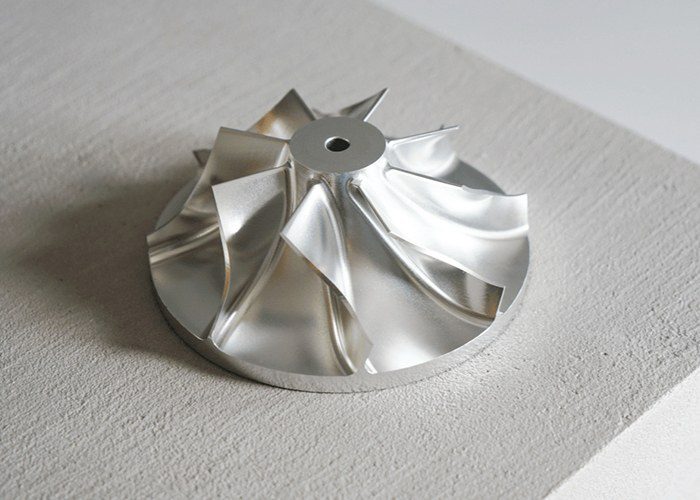
Modern milling has evolved far beyond simple drilling or linear cutting. Today’s services leverage multi-axis machinery—specifically 3-axis, 4-axis, and 5-axis CNC mills. A 5-axis machine, for instance, can move a cutting tool or part across five different axes simultaneously, allowing for the creation of complex geometries and contoured surfaces that would be impossible to achieve with manual intervention. This capability is crucial for industries requiring intricate detailing, such as the production of turbine blades for aerospace or complex housings for electronics.
Core Advantages in a Demanding Market
Why do engineers and procurement specialists prioritize custom milling over other methods? The answer lies in three core pillars: material versatility, mechanical integrity, and speed.
Material Versatility
Custom milling services are distinguished by their ability to work with an extensive palette of materials. From engineering-grade plastics like ABS, PEEK, and Nylon to metals such as aluminum, stainless steel, titanium, and brass, the process is agnostic to the medium. This allows product designers to select materials based on the end-use environment—such as the lightweight strength required in robotics or the biocompatibility needed for medical implants—without being limited by the manufacturing process.
Mechanical Integrity
Because milling is a subtractive process, it starts with a solid block of material. The resulting parts are dense, strong, and free from the layer adhesion concerns sometimes associated with additive manufacturing. This makes custom milling the preferred choice for functional prototypes and end-use production parts that must withstand significant stress, such as jigs, fixtures, and load-bearing components in industrial machinery.
Speed to Market
In the high-stakes environment of product development, time is a critical currency. Advanced custom milling services now offer rapid prototyping with lead times as short as one day. This quick-turn capability allows companies to iterate designs, conduct functional tests, and move to market faster than competitors relying on traditional tooling or overseas sourcing.
Technological Evolution and Secondary Services
The custom milling sector is currently undergoing a technological renaissance. The integration of AI and automation is streamlining the transition from quote to production. Platforms now allow users to upload 3D CAD data and receive instant manufacturability analysis and pricing, eliminating the delays of traditional manual quoting.
Furthermore, the definition of a comprehensive milling service has expanded to include critical secondary operations. Recognizing that machining marks and surface roughness can impact part performance, providers are increasingly offering integrated finishing solutions. Recent industry developments highlight the addition of precision grinding to achieve surface roughness as low as Ra0.4, as well as surface polishing and buffing for enhanced aesthetic and functional qualities. For metal components requiring extreme durability, services now include hardening (heat treatment) to improve wear resistance and structural strength, followed by protective coatings like electroless nickel plating or black oxide.
Industry Applications and Economic Impact
The application of custom milling services spans nearly every facet of modern industry. In the medical sector, it enables the production of customized surgical tools and durable components for diagnostic equipment. In automation and robotics, it creates the precise locating blocks and custom gears that keep production lines moving.
The economic footprint of this sector is substantial. The broader custom machining services market, which includes milling, was valued at approximately $26.84 billion in 2025 and is projected to approach $39.45 billion by 2032. This growth, at a compound annual rate of 5.65%, is driven by the need for hyper-specific components and the reshoring of manufacturing capabilities. In the United States alone, the machine shop industry—comprising over 17,600 facilities—plays a vital role in the manufacturing supply chain, though it faces challenges such as skilled labor availability and tariff-related material costs.
Navigating the Selection Process
For businesses looking to leverage these capabilities, selecting the right custom milling partner is a strategic decision. It requires more than just comparing prices; it demands an evaluation of the provider’s machine fleet, material certifications, and quality control protocols. Effective collaboration involves clear communication of project requirements through detailed CAD files and an understanding of the provider’s expertise in specific industries. A partner with experience in regulated sectors like aerospace or defense will inherently understand the stringent documentation and traceability required, reducing the risk of compliance issues down the line.
Conclusion
Custom Milling Service stands as a cornerstone of contemporary manufacturing, bridging the gap between innovative design and tangible reality. As we look toward the future, the industry will continue to be shaped by digital integration, advanced materials, and the relentless pursuit of precision. For engineers and manufacturers, engaging with a capable custom milling provider is not just a transactional necessity—it is a strategic partnership that drives quality, efficiency, and innovation in an increasingly competitive global market.