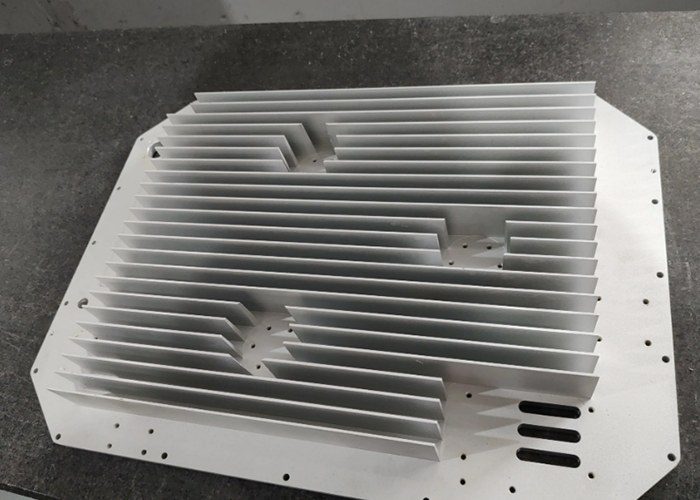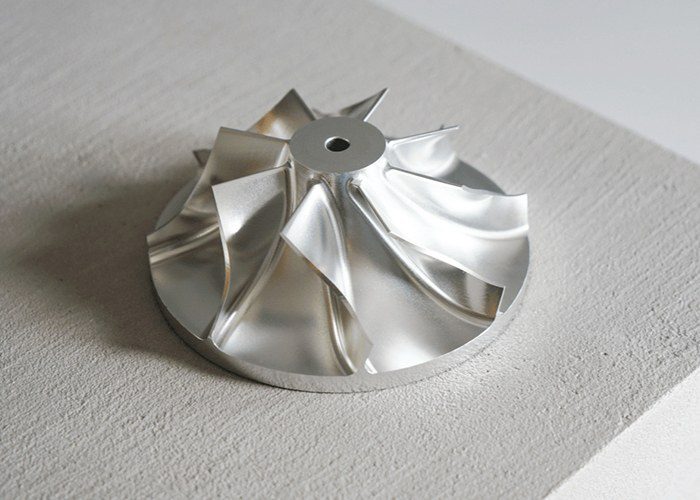
In the landscape of modern manufacturing, Computer Numerical Control (CNC) machines are the undisputed workhorses. They carve, cut, and shape raw materials into precision components that drive industries ranging from aerospace to medical devices. However, like all sophisticated equipment, these machines are subject to wear and tear. This is where the critical role of CNC Machining Spare Parts comes into focus. These components are not merely replacements; they are the guarantee of longevity, precision, and productivity in a competitive global market.
Defining the Critical Components
CNC machining spare parts encompass a vast category of components designed to replace, repair, or upgrade CNC machinery. They range from mechanical motion transmission parts—such as ball screws, linear guides, gears, and bearings—to structural elements like frames, housings, and brackets. Also included are tooling components (tool holders, collets, and chucks) and even precision-machined electrical enclosures and sensor mounts. The fundamental requirement for all these parts is exacting precision; a poorly manufactured replacement part can compromise the accuracy of the entire machine, leading to defective finished products.
The Manufacturing Journey: From Digital Model to Physical Part
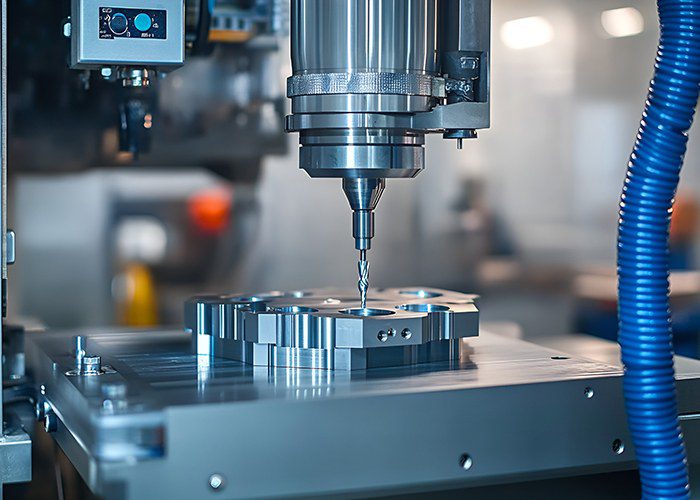
The production of high-quality CNC spare parts is a meticulous process that begins long before any material is cut. It typically starts with design and engineering, often utilizing original equipment manufacturer (OEM) specifications or reverse engineering to create precise 3D models in Computer-Aided Design (CAD) software. These models are then fed into Computer-Aided Manufacturing (CAM) software, which generates the toolpaths and machining sequences that guide the CNC machines.
The physical creation involves selecting the appropriate material based on required strength, wear resistance, and thermal properties—commonly including various grades of steel, aluminum, brass, and engineering plastics. Using CNC mills, lathes, and multi-axis machining centers, the parts are fabricated through operations like turning, milling, and drilling.
Material Selection: A Balancing Act
The choice of material for a spare part directly impacts its performance and cost-effectiveness. For general-purpose parts where moderate strength and low cost are paramount, Aluminum 6061 is often the go-to choice due to its excellent machinability and good strength-to-weight ratio. When components are exposed to corrosive environments or require high durability, Stainless Steel (grades 304 or 316) is preferred, despite its higher cost and increased machining time. Brass, with its outstanding machinability and natural corrosion resistance, is ideal for fittings, valves, and decorative or electrical components. For high-stress, lightweight applications in aerospace or medical implants, Titanium is unmatched, though it presents significant machining challenges and costs.
The Imperative of Quality Control
Given the critical nature of these components, rigorous quality control is non-negotiable. Reputable manufacturers employ a multi-layered inspection strategy. This often begins with in-process inspection, where operators use precision tools like micrometers and go/no-go gauges to check parts during the machining run, allowing for real-time adjustments.
Upon completion, parts often undergo a final inspection in a dedicated quality control department. Here, advanced equipment like Coordinate Measuring Machines (CMMs) verifies dimensional accuracy against the design specifications. Surface finish is assessed with profilometers to ensure proper fit and function, and material testing may confirm hardness and tensile strength. This meticulous approach ensures that every spare part meets stringent performance standards, thereby safeguarding the reliability of the parent machine.
Driving Efficiency Across Industries
The impact of readily available, high-quality CNC spare parts is felt across the entire manufacturing spectrum. In the aerospace industry, they ensure that machines producing critical flight components operate with zero error. In automotive manufacturing, they minimize downtime on production lines, where every minute of interruption can represent significant financial loss. The medical device sector relies on them to maintain the sterile and precise machining of surgical instruments and implants. Even in electronics, they keep equipment running that fabricates delicate circuit boards and connectors.
Conclusion
CNC machining spare parts are far more than simple replacements; they are strategic assets. They reduce costly downtime, extend the lifespan of expensive machinery, and enable customization that can enhance machine capability. By leveraging advanced manufacturing technologies and rigorous quality assurance, the industry ensures that the global backbone of manufacturing remains robust, reliable, and ready for the challenges of tomorrow.