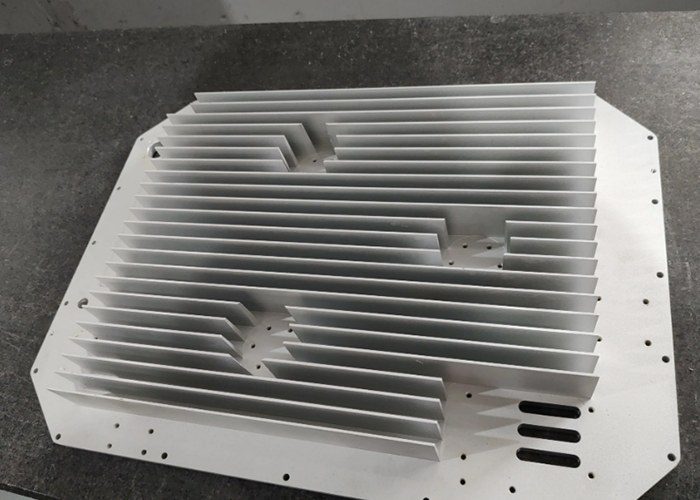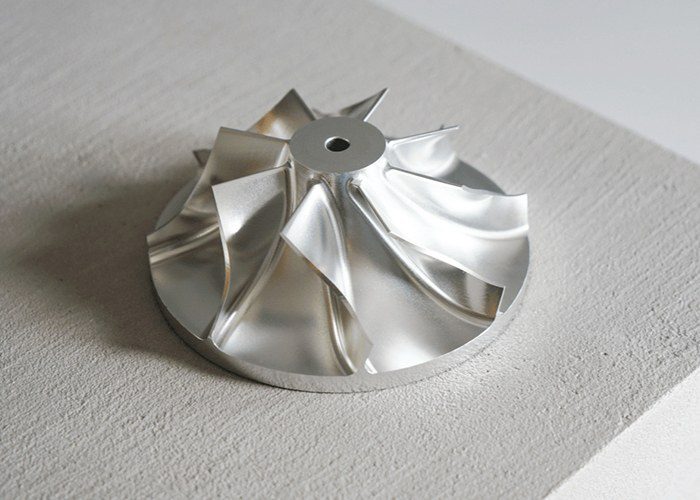
In the vast ecosystem of modern manufacturing, few processes are as versatile and indispensable as milling. While standard, off-the-shelf components serve a purpose in mass production, the true backbone of innovation lies in custom milling parts. These precision-engineered components are the silent enablers of advanced machinery, aerospace systems, medical devices, and automotive technologies. Custom milling parts are not merely cut pieces of metal or plastic; they are the result of a sophisticated dance between design intent, material science, and subtractive manufacturing precision. This article explores the intricacies, advantages, and applications of custom milling parts, shedding light on why they are the preferred choice for engineers and procurement specialists worldwide.
Understanding the Custom Milling Process
At its core, milling is a subtractive manufacturing process that uses rotating multi-point cutting tools to remove material from a workpiece. Unlike standard milling, which produces large volumes of identical parts, custom milling is driven by specific client blueprints. The process starts with a CAD (Computer-Aided Design) model, which is then translated into a CAM (Computer-Aided Manufacturing) program. This program guides CNC (Computer Numerical Control) milling machines with microscopic precision.
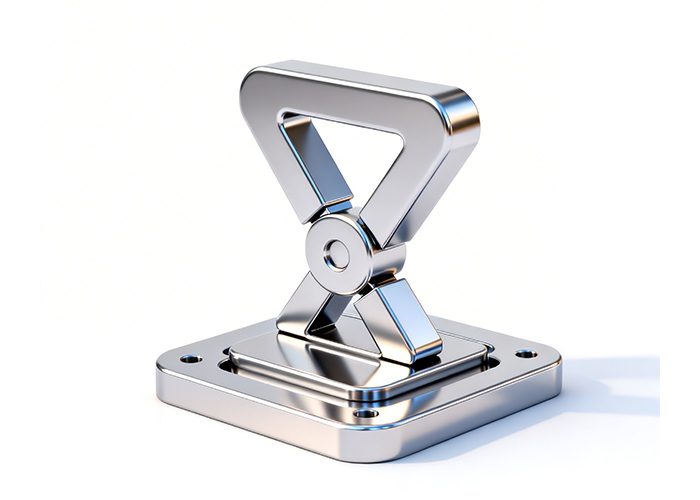
Modern custom milling utilizes both 3-axis and multi-axis (4-axis, 5-axis) machines. While 3-axis milling is suitable for simpler geometries, 5-axis milling allows the cutting tool to approach the part from any direction. This capability is crucial for creating complex undercuts, intricate contours, and deep cavities without multiple setups. The result is a custom part that matches the original design down to tolerances as tight as ±0.0001 inches. This level of accuracy ensures that custom milling parts fit perfectly within larger assemblies, reducing the need for manual adjustments or secondary operations.
Material Diversity and Selection
One of the greatest strengths of custom milling is its compatibility with a vast range of materials. Unlike additive manufacturing (3D printing), which is often limited to specific polymers or metals, milling can work with virtually any solid material. For high-stress applications like aerospace engine mounts or hydraulic components, engineers choose aluminum alloys (6061, 7075), stainless steel (304, 316), or titanium. For wear resistance and strength, tool steels and Inconel superalloys are common. In the medical field, biocompatible materials like PEEK (polyetheretherketone) and surgical-grade stainless steel are milled into bone screws and surgical instruments. For electronics and prototyping, engineers rely on acetal, nylon, or ABS plastics.
Selecting the right material for custom milling parts is a critical decision that impacts cost, lead time, and performance. Harder materials like titanium or tool steel require slower cutting speeds, specialized tooling, and rigorous cooling, which increases production time and cost. Softer materials like aluminum or plastics can be milled at high speeds with standard tooling, making them ideal for rapid prototyping or large custom runs. A skilled custom milling provider advises clients on material selection based on mechanical requirements, environmental exposure, and budget constraints.
Key Advantages of Custom Milling Parts
Why invest in custom milling when standard parts are readily available? The answer lies in optimization. Standard components often force engineers to compromise—either by over-engineering an assembly to fit a generic bracket or by accepting unnecessary weight and bulk. Custom milling parts eliminate these compromises.
First, design freedom is paramount. Custom milling allows for features that cannot be achieved through casting, forging, or standard machining—such as internal cooling channels, lightweight honeycomb structures, or complex curved surfaces. Second, superior tolerances ensure reliability. In aerospace and medical devices, a few microns of deviation can lead to catastrophic failure. Custom CNC milling achieves repeatable precision that off-the-shelf parts rarely guarantee. Third, small to medium batch efficiency makes custom milling economical. While injection molding requires thousands of dollars in tooling upfront, custom milling has no tooling costs, making it ideal for runs ranging from one prototype to several thousand production units. Fourth, material integrity is preserved. Unlike casting or sintering, which can introduce porosity or internal stresses, milling cuts from solid billet, resulting in parts with uniform grain structure and maximum strength.
Applications Across Industries
Custom milling parts are ubiquitous across high-tech sectors. In aerospace, they appear as turbine blades, wing spar fittings, and landing gear components. These parts must withstand extreme temperatures and cyclic loads, and only precision milling from superalloys delivers the required performance. In the medical field, custom-milled orthopedic implants, spinal cages, and dental abutments are tailored to individual patient anatomy, improving surgical outcomes and recovery times. The automotive racing industry relies on custom-milled suspension knuckles, intake manifolds, and transmission housings to shave grams and increase rigidity. In robotics and automation, custom gears, chassis plates, and end effectors allow engineers to prototype new designs overnight and iterate rapidly. Even in oil and gas exploration, custom-milled valve bodies and drill components are engineered to resist corrosive downhole environments.
Challenges and Quality Assurance
Custom milling is not without challenges. Programming complex 5-axis toolpaths requires highly skilled CAM programmers and machinists. Workpiece fixturing for irregular shapes can be difficult, leading to vibrations or tool deflection. Furthermore, lead times for custom parts, while shorter than tooling-based processes, are longer than pulling a part from a shelf. Quality assurance mitigates these risks. Reputable custom milling shops employ in-process probing, coordinate measuring machines (CMM), and surface finish testers. Every critical dimension is verified against the CAD model. First-article inspections (FAI) are documented, and statistical process control (SPC) ensures batch-to-batch consistency. For regulated industries like medical or aerospace, traceability from raw material lot to finished part is mandatory.
Choosing the Right Custom Milling Partner
Selecting a supplier for custom milling parts is a strategic decision. Look for a partner with multi-axis CNC capacity, a wide material inventory, and in-house quality inspection. Equally important is design-for-manufacturability (DFM) assistance. The best milling shops review your CAD files proactively, suggesting fillet radii, draft angles, or feature modifications that reduce cycle time and cost without compromising function. Communication, lead time transparency, and a willingness to handle low-volume orders are hallmarks of an excellent custom milling provider.
The Future of Custom Milling
The future of custom milling parts is bright, driven by automation and digital integration. Smart CNC machines equipped with IoT sensors monitor tool wear and vibration in real time, automatically adjusting feeds and speeds. Collaborative robots (cobots) load and unload parts, enabling lights-out manufacturing. Hybrid machines that combine additive deposition with subtractive milling are emerging, allowing for near-net-shape printing followed by precision finishing. As industries demand increasingly complex and lightweight components, custom milling will remain a cornerstone of advanced manufacturing—bridging the gap between imagination and tangible, high-performance reality.
In conclusion, custom milling parts are far more than simple metal or plastic shapes. They represent the pinnacle of subtractive manufacturing, offering unmatched precision, material versatility, and design freedom. Whether you are developing a life-saving medical implant, a high-speed racing component, or a durable aerospace fitting, custom milling delivers the reliability and performance that off-the-shelf parts cannot match. By understanding the process, materials, and quality standards, engineers and buyers can harness the full potential of custom milling to drive innovation and achieve engineering excellence.