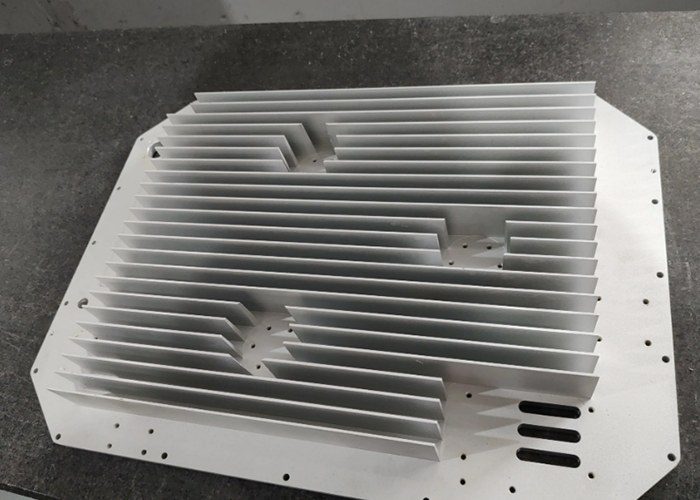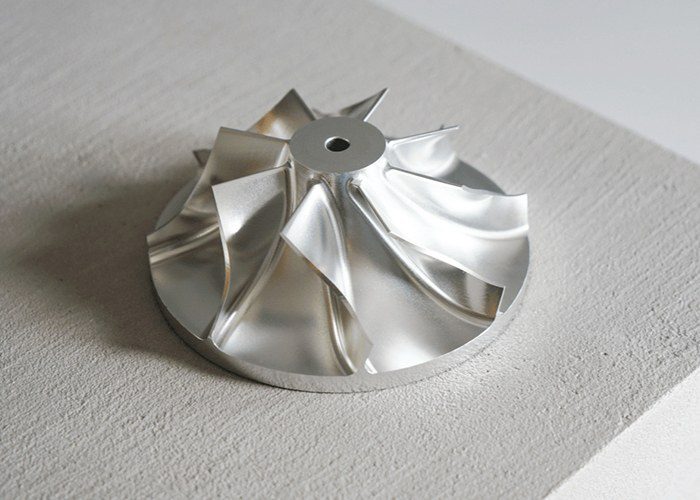
Custom metal fabrication is a specialized manufacturing process that involves the cutting, bending, forming, and assembling of raw metal materials to create unique, made-to-order products. Unlike mass production, which focuses on high-volume output of identical items, custom fabrication is tailored to meet the specific requirements of a client, a particular industry, or a unique application. From the skeletal steel framework of skyscrapers to intricate medical instruments and artistic sculptures, custom metal fabrication is the invisible backbone of modern industry and infrastructure. It is a field where engineering precision meets artisanal craftsmanship, driven by technological innovation and a deep understanding of metallurgy.
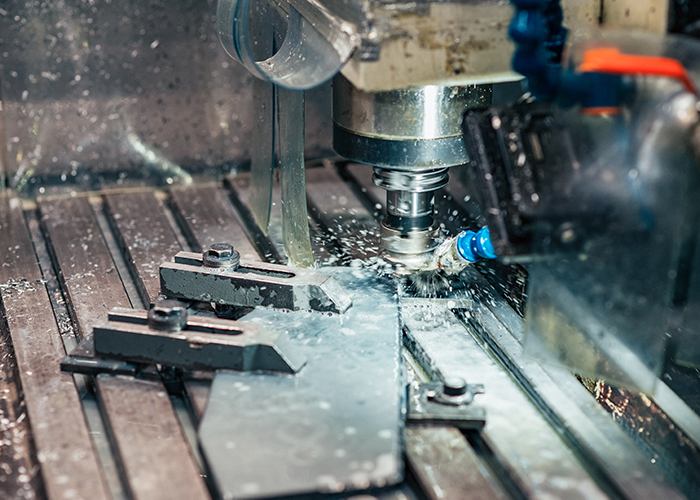
At its core, the custom fabrication process is a journey from concept to completion. It begins with a detailed design phase, often utilizing Computer-Aided Design (CAD) software. Engineers and designers work closely with clients to translate an idea or a problem into a tangible blueprint. This stage is critical, as it determines the dimensional accuracy, structural integrity, and aesthetic appeal of the final product. Once the design is finalized, it is converted into machine-readable code, guiding the sophisticated equipment used on the shop floor.
The heart of the fabrication shop is divided into several key processes. The first is cutting. Modern fabrication has moved far beyond the manual torch. Today, Computer Numerical Control (CNC) machines dominate the landscape. Laser cutters provide incredible precision and speed, creating clean edges on sheet metal without mechanical stress. Plasma cutters are the workhorses for thicker steel plates, using an electrically conductive gas to slice through metal. For the most complex, three-dimensional cuts, waterjet cutting uses a high-pressure stream of water mixed with abrasive garnet to cut through almost any material without generating heat, ensuring the material’s properties remain unchanged.
Following cutting, the metal enters the forming stage. This is where flat sheets or cut pieces are transformed into desired shapes. The press brake is the quintessential tool for this, using a punch and die to create precise bends. For larger operations, such as creating tanks or pressure vessels, rolling machines are used to curve metal plates into cylinders. In more intricate applications, stamping presses can form complex shapes in a single stroke.
Assembly is the next critical phase, and welding is its most prominent technique. Skilled welders, using methods like MIG (Metal Inert Gas), TIG (Tungsten Inert Gas), or Stick welding, fuse individual components together. The choice of welding technique depends on the metal type, the required strength, and the desired appearance. TIG welding, for example, is favored for its aesthetic, clean finish on metals like stainless steel and aluminum, making it ideal for architectural features and food-grade equipment. Beyond welding, assembly also includes fastening, riveting, and the use of adhesives to join components permanently.
The final steps in the fabrication process often involve finishing and quality control. Raw metal is susceptible to corrosion and may not have the desired aesthetic. Finishing processes include grinding and sanding to smooth welds, abrasive blasting for a uniform texture, and painting or powder coating for protection and color. Powder coating, in particular, provides a durable, high-quality finish that is resistant to chipping, scratching, and fading. Throughout this entire journey, rigorous quality control and inspection ensure that every dimension matches the CAD model and that the structural integrity meets industry standards.
The applications of custom metal fabrication are virtually limitless, spanning nearly every sector of the economy. In architecture and construction, fabricators create custom staircases, railings, structural beams, and decorative facades that define a building’s character. The industrial sector relies on it for custom machine guards, conveyor systems, storage tanks, and specialized tooling that keep manufacturing lines running. In the energy sector, from oil and gas pipelines to wind turbine towers, custom fabrication ensures components can withstand extreme environments. Even in our daily lives, we interact with fabricated metal—from the chassis of our cars and the frames of our bicycles to the commercial kitchen equipment in our favorite restaurants and the artistic metalwork in public parks.
The choice of material is a fundamental decision in any custom project. Steel, in its various forms, is the most common. Mild steel is prized for its strength and affordability, while stainless steel offers superior corrosion resistance and a modern aesthetic, making it perfect for medical, food service, and marine applications. Aluminum is chosen for its lightweight properties and natural corrosion resistance, ideal for aerospace, automotive, and transportation industries. Other specialty metals like copper, brass, and titanium are selected for their unique electrical conductivity, aesthetic warmth, or exceptional strength-to-weight ratios.
In conclusion, custom metal fabrication is far more than a technical trade; it is a vital, evolving industry that enables innovation. It bridges the gap between an abstract concept and a physical, functional reality. By combining the precision of computer-guided machinery with the problem-solving skills of experienced fabricators, this field provides solutions that are not available off the shelf. As technology advances with the integration of robotics, 3D printing of metal, and increasingly sophisticated design software, custom metal fabrication will continue to push the boundaries of what is possible, building the framework for our future, one precisely engineered piece at a time.