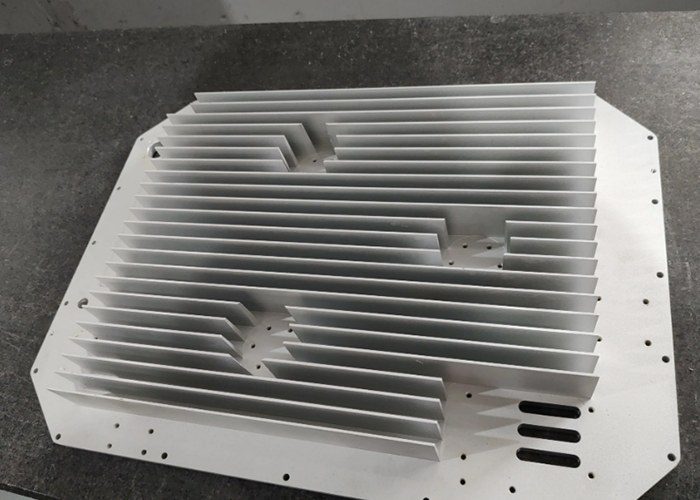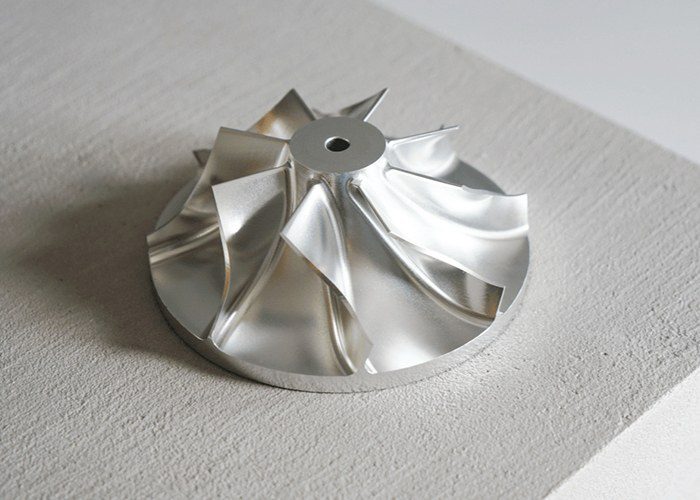
In the contemporary manufacturing landscape, the demand for components that fit precise specifications—rather than generic, off-the-shelf standards—has never been greater. Custom manufacturing machining stands at the forefront of this shift, offering a pathway to produce parts that are not only accurate but also intrinsically aligned with the unique functional demands of advanced industries. As the global custom machining services market projects growth from USD 26.84 billion in 2025 to an estimated USD 39.45 billion by 2032, understanding the nuances of this field is essential for engineers, procurement specialists, and innovators alike.
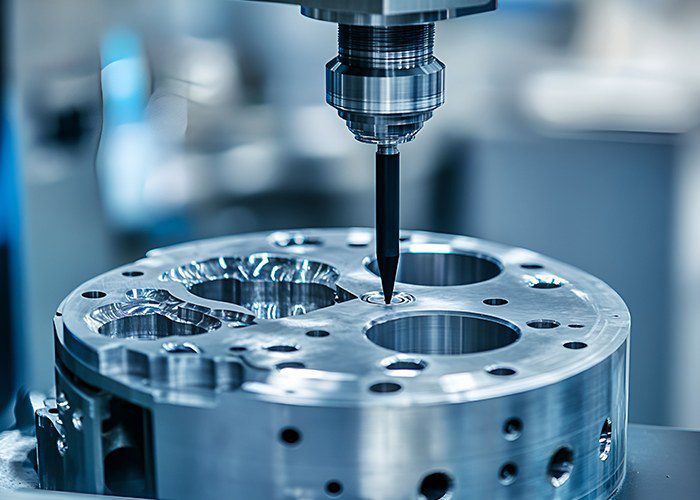
Defining Custom Manufacturing Machining
At its core, custom manufacturing machining refers to the process of producing components with dimensions, geometries, and surface finishes that are specifically engineered for a unique application. Unlike high-volume standardized manufacturing, which relies on fixed molds and generalized tooling, this approach is inherently flexible. It is the difference between buying a mass-produced suit and having one tailored perfectly to your measurements; the latter fits better, performs better, and serves its purpose more effectively.
This process typically begins with a digital blueprint—often a CAD design or engineering sketch—which is then interpreted by skilled machinists and computer-controlled equipment. The goal is to transform raw materials into physical parts that meet exact tolerances, often measured in microns. This is achieved through subtractive manufacturing processes, where material is precisely removed from a solid block to reveal the desired shape.
Core Technologies and Methodologies
The term “custom machining” encompasses a diverse suite of technologies, each suited to specific types of geometries and material properties.
CNC Machining serves as the backbone of the industry. Computer Numerical Control (CNC) systems automate the movement of machinery, offering unparalleled repeatability. This includes:
- CNC Milling: Employs rotating, multi-point cutting tools for material removal. Advanced 5-axis machining centers allow for the creation of complex spatial geometries in a single setup, reducing errors and increasing efficiency.
- CNC Turning: Involves rotating the workpiece against a stationary cutting tool to produce cylindrical components.
- Swiss Machining: A specialized form of turning ideal for producing small, intricate, and exceptionally precise parts often required in medical and electronics sectors.
Beyond these core methods, techniques like Electrical Discharge Machining (EDM) are employed for extremely hard materials or to create very fine features, while precision grinding ensures superior surface finishes and dimensional control.
The Strategic Advantage: When Customization Prevails
Why choose custom machining over faster methods like 3D printing or cheaper methods like injection molding? The decision often hinges on three critical factors: tolerances, materials, and volume.
For industries such as aerospace and medical devices, component failure is not an option. A slight deviation in a jet engine blade or a surgical instrument can lead to catastrophic results. Custom machining using subtractive processes is often the preferred method because it delivers the proven, traceable material properties and tight tolerances required for compliance with stringent regulations like ITAR, ISO, or FDA standards.
While 3D printing excels at rapid prototyping and complex internal lattices, machining remains superior for producing parts with high structural integrity from solid metals like titanium, stainless steel, and aluminum. Furthermore, for low-to-medium volume production (prototypes, functional models, or small batches), custom machining eliminates the significant upfront investment in molds required by injection molding, offering a faster and more economical path to market.
Industry Applications and Real-World Impact
The versatility of custom machining means it touches nearly every facet of modern technology. In the automotive sector, it is used to create custom gears, engine components, and lightweight structural parts. The medical field relies on it for custom implants and surgical tools that require biocompatibility and flawless surface finishes.
A compelling example of its value comes from the automation industry. Companies like Asitech utilize custom CNC machining to develop specialized equipment, such as spiraling machines for heating mat production. By leveraging on-demand machining, they can quickly iterate prototypes, test different materials, and ultimately scale to small series production without the delays associated with traditional supply chains. This agility is crucial for innovation.
Material Selection and Post-Processing
One of the greatest strengths of custom machining is its material flexibility. Engineers can select from a vast palette of engineering metals—aluminum, steel, copper, titanium—and plastics like ABS, Nylon, or high-performance PEEK, depending on the application’s need for strength, weight, or chemical resistance.
However, the process doesn’t end with the cut. Post-processing is a critical final step that enhances both performance and aesthetics. Techniques such as anodizing provide corrosion resistance for aluminum, powder coating offers durable wear protection, and polishing ensures a smooth finish. These treatments can improve thermal performance, reduce friction, or simply make a prototype look like a finished consumer product.
The Future: Technology, Sustainability, and Resilience
Looking ahead, the custom machining sector is being shaped by several macro trends. The integration of Industry 4.0 technologies—such as IoT-enabled machine monitoring and AI-driven toolpath optimization—is reducing setup times and improving first-pass yields. There is also a growing emphasis on sustainability, with strategies aimed at minimizing material scrap and optimizing tool life.
Geopolitical factors, including recent tariff adjustments, are driving a trend toward supply chain regionalization. Companies are increasingly seeking local, certified suppliers for critical components to mitigate risk and ensure faster turnaround times, balancing global cost-efficiency with regional resilience.
In conclusion, custom manufacturing machining is more than a production process; it is a strategic enabler of innovation. By offering the precision, material integrity, and flexibility that standardized methods cannot match, it allows engineers to push the boundaries of design and bring ambitious concepts into tangible, high-performance reality. As technology evolves, the collaboration between skilled machinists, advanced software, and adaptive supply chains will continue to be the bedrock upon which the next generation of products is built.