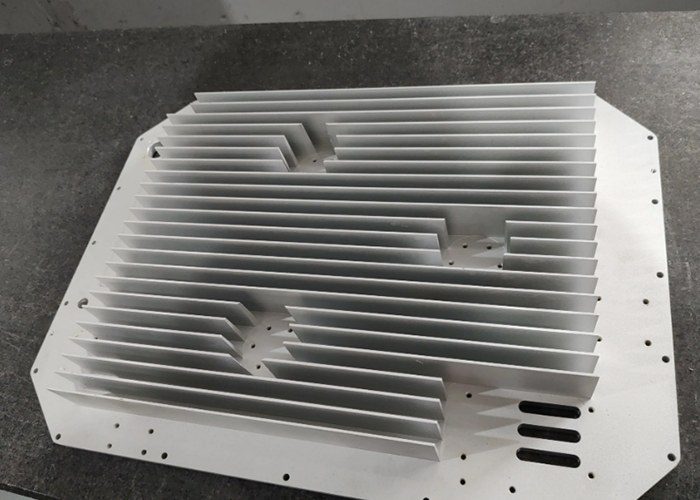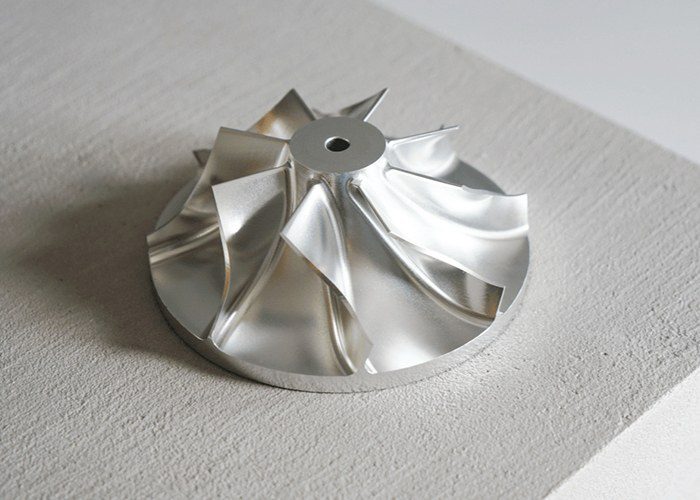
In an era defined by technological miniaturization, increasing performance demands, and relentless innovation, the ability to produce components with exceptional accuracy has never been more critical. Custom machining precision metal parts is the specialized manufacturing discipline that meets this challenge, serving as the indispensable foundation upon which countless industries—from aerospace to medical devices—build their most advanced products. This field combines sophisticated computer-controlled machinery, advanced materials science, and rigorous quality control to transform raw metal stock into functional components that often operate at the very limits of physical possibility.
The Essence of Precision Machining
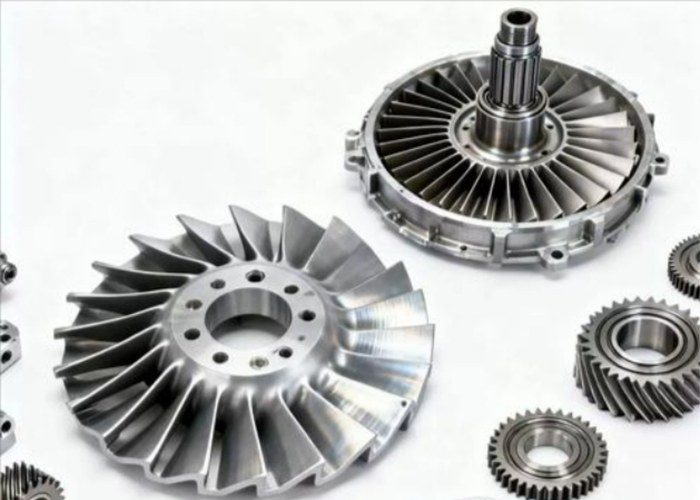
At its core, precision machining uses cutting tools to carve away excess material from a workpiece, shaping it into highly accurate components that meet strict dimensional and geometric specifications. What distinguishes custom precision machining from conventional manufacturing is the combination of extreme dimensional accuracy, complex geometries, and the ability to produce parts tailored to specific client requirements rather than standardized, off-the-shelf components. Machine shops that specialize in this field produce custom metal parts through operations including cutting, drilling, turning, milling, and grinding, creating components with precise dimensions and surface finishes. These businesses transform metal stock into finished parts according to customer specifications using both conventional and computer numerically controlled (CNC) machine tools.
The CNC Revolution
The advent of CNC technology has fundamentally transformed the precision machining landscape. Computer Numerical Control machining uses automated, high-speed cutting tools to remove layers of material from a workpiece to produce custom-designed parts. Modern CNC machining can achieve micron-level accuracy, meeting the stringent requirements of precision manufacturing for dimensional tolerances, surface quality, and shape complexity. The technology has evolved dramatically, with contemporary machines offering three, four, five, and even seven axes of movement. Multi-axis CNC milling is capable of machining parts with complex curved surfaces and multi-faceted features, completing all machining operations in a single setup. This capability not only enhances precision by eliminating cumulative tolerance stack-up but also dramatically improves efficiency.
Material Diversity and Versatility
Custom precision machining is distinguished by its remarkable material flexibility. Manufacturers work with an extensive range of metals and alloys, including aluminum, brass, copper, steel, stainless steel, titanium, nickel, and exotic alloys such as Hastelloy®, Monel®, and Inconel®. Each material presents unique machining challenges; for instance, non-ferrous alloys like aluminum can accelerate tool wear, prompting shops to adopt ceramic inserts and through-spindle coolant to extend tool life. The aerospace industry’s preference for nickel- and titanium-based alloys, driven by their strength-to-weight ratios and heat resistance, requires specialized machining strategies and advanced tooling. Similarly, the automotive sector’s shift toward electric vehicles has created growing demand for lightweight aluminum and copper alloys for components such as battery heat-sink pins and busbars.
Critical Applications Across Industries
The reach of custom precision machining extends across virtually every advanced manufacturing sector. In aerospace, the industry’s extreme requirements for precision and reliability make it one of the most demanding fields for CNC precision machining applications. Aircraft structural components, engine parts, and complex surface features must meet exacting tolerances while often being machined from difficult-to-cut advanced materials like titanium and high-temperature alloys. The medical device industry similarly relies on precision machining for implantable components, surgical instruments, and micro-structure parts, where safety, consistency, and biocompatibility are paramount. The miniaturization of orthopedic and dental implants has pushed suppliers to transition from standard chucking lathes to precision Swiss-type machines capable of holding extremely tight tolerances. In automotive manufacturing, the rise of electric and smart vehicles has intensified demand for precision-machined engine components, transmission parts, and electric drivetrain components, all requiring high consistency across mass production runs.
Quality Assurance and the Pursuit of Excellence
In custom precision machining, quality is not an aspiration—it is an imperative. Manufacturers employ advanced CNC measuring tools and precision inspection equipment to guarantee dimensional accuracy, repeatability, and compliance with technical specifications. The industry increasingly emphasizes tight tolerances, complex geometries, material diversity, and comprehensive quality documentation supporting critical applications. Automation and in-process metrology have become benchmarks of competitiveness, narrowing the performance divide between top-tier precision shops and their regional counterparts. Many facilities operate under rigorous quality certifications such as ISO 9001, ensuring that every stage of the manufacturing process—from raw material sourcing to final inspection—adheres to international quality standards.
A Growing Global Industry
The scale and significance of custom precision machining are reflected in its substantial market presence. The global custom manufacturing market, which encompasses CNC machined parts and custom metal fabrication, was valued at USD 58.2 billion in 2024 and is projected to reach USD 85.9 billion by 2031. The machine shops industry in the United States alone represents a $44.6 billion sector employing over 230,000 workers across more than 17,000 facilities. The metal precision turned product manufacturing market is forecast to grow from USD 104.11 billion in 2025 to USD 142.66 billion by 2031. This growth is driven by increasing demand for complex and customized metal parts across automotive, aerospace, electronics, and healthcare industries, coupled with technological advancements in CNC machining and automation.
The Future of Precision
Looking ahead, the custom precision machining industry continues to evolve at a remarkable pace. The integration of Industry 4.0 technologies, including digital twins, predictive analytics, and adaptive CAM software that adjusts feeds and speeds in real-time, is dramatically reducing cycle times and improving quality. Automation-ready robot interfaces enable overnight “lights-out” operations, effectively doubling productive spindle hours. As artificial intelligence, robotics, and electric mobility create new waves of demand for precision metal components, the industry’s role as the backbone of modern manufacturing will only grow more essential. For engineers, designers, and manufacturers worldwide, custom machining precision metal parts represents not just a manufacturing capability, but a strategic enabler of innovation itself.