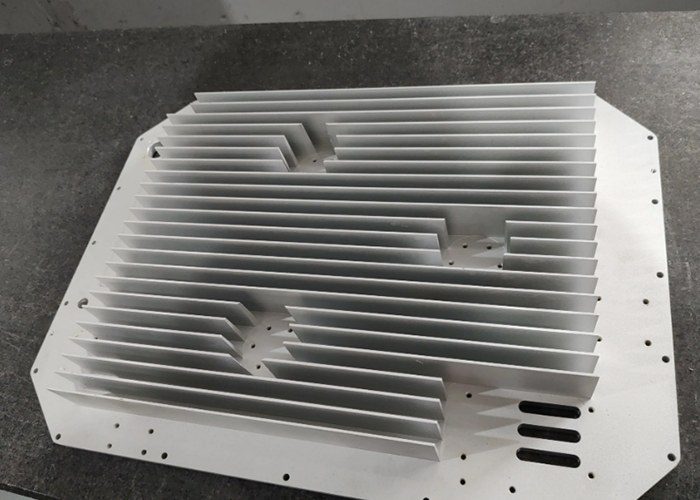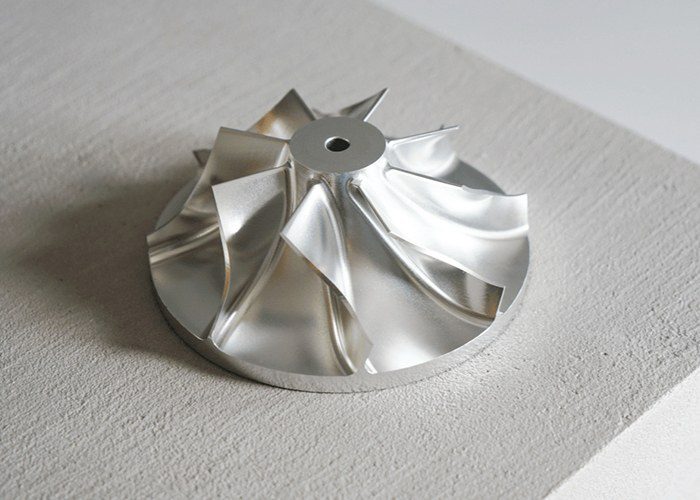
In a world defined by mass production and off-the-shelf solutions, the ability to create something uniquely tailored to specific needs is not just a luxury—it is a strategic necessity. This is where Custom Fabrication Services step in, bridging the gap between conceptual design and tangible reality. Custom fabrication is the process of building machines, structures, or components according to client-specific requirements, rather than standardized templates. It represents the pinnacle of manufacturing flexibility, offering solutions that standard catalogs simply cannot provide.
At its core, custom fabrication is about problem-solving. Industries ranging from aerospace and automotive to architecture and medical technology rely on these services to overcome limitations. When a standard part fails to fit an existing system, when a structure requires a specific load capacity that off-the-shelf products cannot meet, or when a prototype demands precision that mass production lines are too rigid to accommodate, custom fabrication provides the answer. It transforms abstract concepts into functional, durable assets.
The Process: From Blueprint to Reality
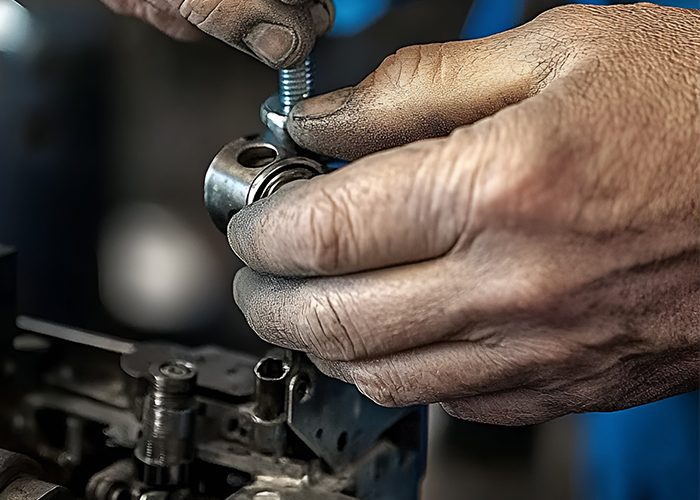
The journey of a custom fabrication project begins long before the first piece of metal is cut. It starts with collaboration. Reputable fabrication shops work closely with engineers, architects, or business owners to understand the function, environment, and aesthetic of the desired product. Using advanced Computer-Aided Design (CAD) software, the initial concept is transformed into detailed 3D models. This digital phase is critical; it allows for stress testing, material selection, and dimensional verification without wasting physical resources.
Once the design is finalized, the fabrication process employs a diverse array of techniques. Cutting-edge technologies such as laser cutting, waterjet cutting, and CNC (Computer Numerical Control) machining ensure that raw materials—whether steel, aluminum, brass, or specialized alloys—are shaped with micron-level accuracy. Welding, forming, and assembly then bring these individual pieces together. Unlike mass production, which often sacrifices quality for speed, custom fabrication prioritizes the integrity of the final product. Skilled artisans and certified welders often oversee the assembly, ensuring that every joint is sound and every finish is flawless.
The Advantages of Going Custom
Why choose custom fabrication over purchasing a pre-made product? The benefits are multifaceted:
- Precision Fit and Functionality: The most obvious advantage is the guarantee of a perfect fit. For industrial settings, a custom-fabricated guard, platform, or conveyor system can maximize space utilization and improve workflow efficiency in ways that standardized equipment cannot.
- Material Optimization: Custom fabricators are material experts. They can recommend the ideal material for your specific environment—be it corrosion-resistant stainless steel for marine applications, lightweight aluminum for aerospace components, or abrasion-resistant steel for heavy mining equipment. This ensures longevity and performance.
- Quality Control: In custom fabrication, quality is managed by humans, not just machines. Reputable services conduct rigorous inspections throughout the production cycle. Because the volume is typically lower than mass production, each unit receives a higher level of attention, resulting in superior weld quality, tighter tolerances, and better surface finishing.
- Innovation and Differentiation: For businesses, custom fabrication is a tool for differentiation. A restaurant with a custom-built stainless steel kitchen island or a retail space with a unique architectural metal feature stands out from competitors who rely on generic fixtures.
- Scalability and Prototyping: Custom fabrication is essential for research and development. It allows innovators to create prototypes to test form, fit, and function before committing to expensive mass-production tooling. Once a product is validated, many custom shops can scale up to low- or medium-volume production runs seamlessly.
Applications Across Industries
The scope of custom fabrication is vast. In the medical field, it produces surgical instruments and MRI-compatible equipment. In construction, it creates helical staircases, structural steel supports, and intricate facades. For renewable energy, it fabricates mounting systems for solar panels and components for wind turbines. Even in art and design, sculptors and furniture makers rely on fabricators to bring complex, large-scale installations to life.
Choosing the Right Partner
Selecting a custom fabrication service is a decision that impacts the success of a project. The ideal partner possesses not only the machinery—such as press brakes, shears, and robotic welders—but also the institutional knowledge to foresee potential design flaws and suggest improvements. Look for certifications like ISO 9001 for quality management, as well as industry-specific credentials like AWS (American Welding Society) certification. A great fabricator acts as a partner, offering value engineering to reduce costs without compromising structural integrity.
Conclusion
In an era where one-size-fits-all solutions often lead to compromises, Custom Fabrication Services stand as the backbone of innovation and resilience. They empower businesses to build exactly what they need, exactly how they need it. Whether it is a single prototype that will revolutionize a product line or a large-scale industrial component that ensures operational safety, custom fabrication combines the art of craftsmanship with the science of modern engineering. By choosing to fabricate, you are not just buying a part; you are investing in a solution built to last.