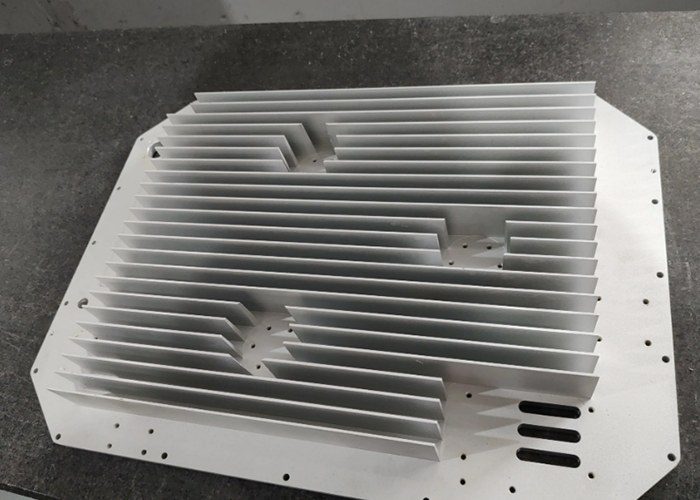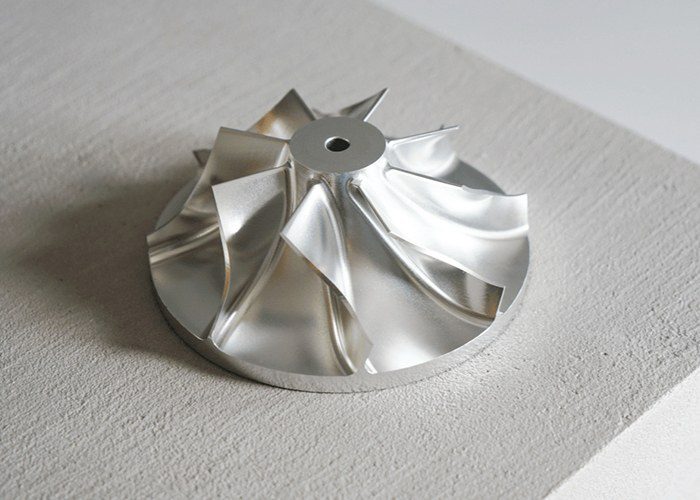
In the vast ecosystem of modern manufacturing, few processes are as critical or as transformative as CNC (Computer Numerical Control) machining. When applied to the production of mechanical components, CNC machining represents the pinnacle of precision, efficiency, and repeatability. From the engines that power aircraft to the intricate gears in surgical robots, CNC-machined mechanical components form the silent, structural backbone of contemporary industrial society.
The Essence of CNC Machining
CNC machining is a subtractive manufacturing process where pre-programmed computer software dictates the movement of factory tools and machinery. Unlike conventional manual machining, which relies on the steady hand and constant supervision of a human operator, CNC systems operate with a level of precision measured in microns (thousandths of a millimeter).
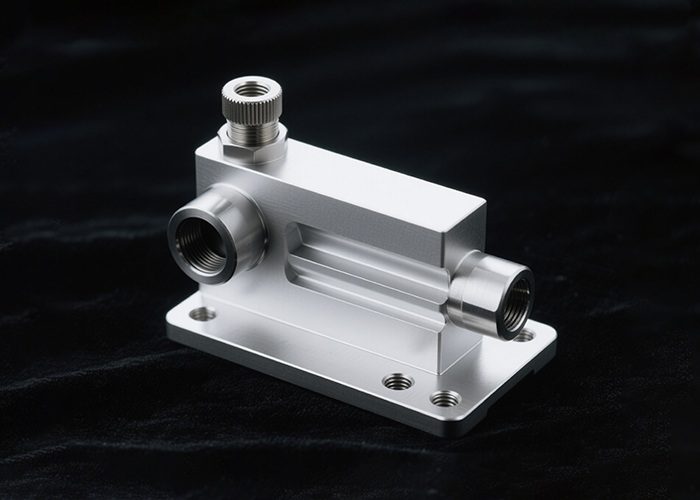
For mechanical components—which require exact tolerances to function correctly within assemblies—this level of control is non-negotiable. A mechanical component, whether it is a hydraulic manifold, a transmission shaft, or a structural bracket, must interface perfectly with other parts. A deviation of even 0.01 millimeters in a bearing housing can lead to premature wear, vibration, or catastrophic failure. CNC machining eliminates the variability inherent in human operation, ensuring that the first component is identical to the ten-thousandth component.
The Process: From Digital to Physical
The journey of a CNC-machined mechanical component begins not on the factory floor, but in the digital realm. Engineers utilize Computer-Aided Design (CAD) software to create a 3D solid model of the component. This model is then translated into a set of instructions through Computer-Aided Manufacturing (CAM) software, generating the G-code that dictates the machine’s every move.
Depending on the geometry of the mechanical component, manufacturers select from a variety of CNC machinery:
- CNC Milling: Utilizes rotating multi-point cutting tools to remove material. It is ideal for creating complex shapes, flat surfaces, slots, and intricate 3D contours commonly found in engine blocks or gearbox housings.
- CNC Turning: Employs a stationary cutting tool against a rotating workpiece. This process is the standard for cylindrical mechanical components such as shafts, bushings, and pulleys.
- Multi-Axis Machining: Modern advancements have led to 5-axis and even 7-axis CNC machines. These allow for the production of incredibly complex mechanical components, such as turbine blades or medical implants, in a single setup. This reduces handling errors and increases geometric accuracy.
Advantages Over Traditional Methods
The shift toward CNC machining for mechanical components is driven by several distinct advantages that legacy manufacturing methods cannot match.
1. Unwavering Precision and Accuracy
The primary requirement for any mechanical component is its ability to fit. CNC machines consistently hold tolerances of +/- 0.005 inches (0.127 mm) as a standard, with high-precision machining achieving tolerances as tight as +/- 0.0002 inches. This accuracy ensures that assemblies function smoothly, reducing friction, noise, and energy loss.
2. Scalability and Repeatability
Whether a manufacturer needs a single prototype or a production run of 100,000 units, CNC machining scales efficiently. Once the program is verified, the machine can replicate the exact same mechanical component indefinitely. This repeatability is crucial for industries like automotive manufacturing, where thousands of identical piston rods or camshafts must be produced to the exact same specification.
3. Material Versatility
Mechanical components must often withstand extreme environments—high heat, corrosive chemicals, or heavy structural loads. CNC machining is compatible with a vast array of materials. It can shape hardened steel for structural integrity, aluminum for lightweight aerospace applications, brass for corrosion-resistant fittings, and advanced engineering plastics like PEEK (polyether ether ketone) for high-performance seals. This versatility allows engineers to select materials based purely on functional requirements rather than manufacturing limitations.
Applications Across Industries
The ubiquity of CNC-machined mechanical components spans virtually every sector:
- Aerospace: In this industry, failure is not an option. CNC machining produces structural frames, engine mounts, and landing gear components from superalloys like Inconel and Titanium. These components require complex geometries to reduce weight while maintaining structural integrity under extreme stress.
- Automotive: From the engine block to the transmission system, modern vehicles rely on thousands of machined components. CNC machining is essential for the high-performance parts required in electric vehicles (EVs), such as battery housings that require precise thermal management.
- Medical: Surgical instruments, orthopedic implants (such as hip and knee replacements), and dental hardware require biocompatible materials and microscopic tolerances. CNC machining provides the surface finishes necessary to ensure that these mechanical components integrate safely with human tissue.
- Robotics and Automation: As factories become automated, the robotic arms and actuators that drive them depend on precision-machined mechanical components. Gears, end effectors, and joint housings must exhibit zero backlash, a requirement only achievable through high-end CNC processes.
The Future of CNC Machined Components
The industry is currently undergoing a transformation driven by Industry 4.0. Modern CNC machines are increasingly “smart,” equipped with sensors that monitor tool wear, vibration, and temperature in real-time. This allows for predictive maintenance and adaptive control, where the machine automatically adjusts parameters to maintain the quality of the mechanical component without human intervention.
Furthermore, the integration of automation and robotics into CNC cells allows for “lights-out manufacturing”—the ability to run production 24 hours a day without human presence. This drastically reduces the cost per part and increases throughput for high-demand mechanical components.
Conclusion
CNC machining is more than just a manufacturing process; it is the enabling technology that bridges the gap between digital engineering and physical reality. For mechanical components, which serve as the fundamental building blocks of machinery, CNC machining offers the perfect blend of strength, precision, and reliability. As industries push the boundaries of what is possible—whether in space exploration, electric mobility, or medical innovation—the demand for increasingly complex, durable, and precise machined components will only grow. In a world that runs on mechanics, CNC machining remains the tool that ensures everything turns, fits, and functions exactly as designed.