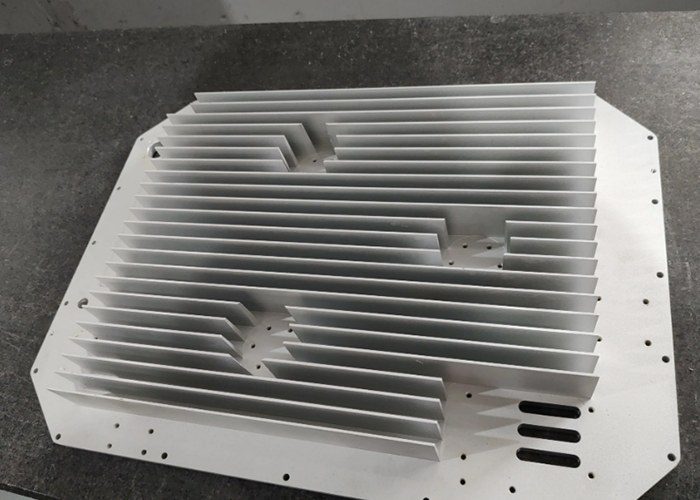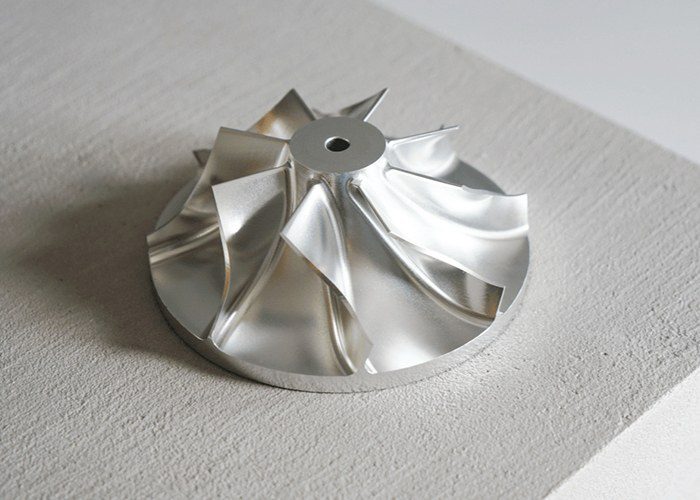
In an era defined by mass production and standardized components, custom fabricated metal parts stand as a testament to the enduring value of precision, adaptability, and engineering excellence. From the aircraft soaring overhead to the surgical instruments saving lives, custom metal fabrication quietly underpins the modern world. This article explores what custom fabricated metal parts are, the processes that bring them to life, the industries that depend on them, and the transformative trends shaping their future.
Defining Custom Fabricated Metal Parts
Custom fabricated metal parts are specially tailored metal components engineered to meet specific design, dimensional, and performance requirements that off-the-shelf products cannot satisfy. Unlike standardized parts produced in massive quantities, custom fabrication involves transforming raw metal materials—such as steel, aluminum, copper, brass, titanium, and stainless steel—into precise, functional components for specialized applications. This process is less about mass production and more about solving problems: ensuring that a part fits perfectly, performs reliably under extreme conditions, and integrates seamlessly into the system it serves.
The Fabrication Process: From Blueprint to Finished Part
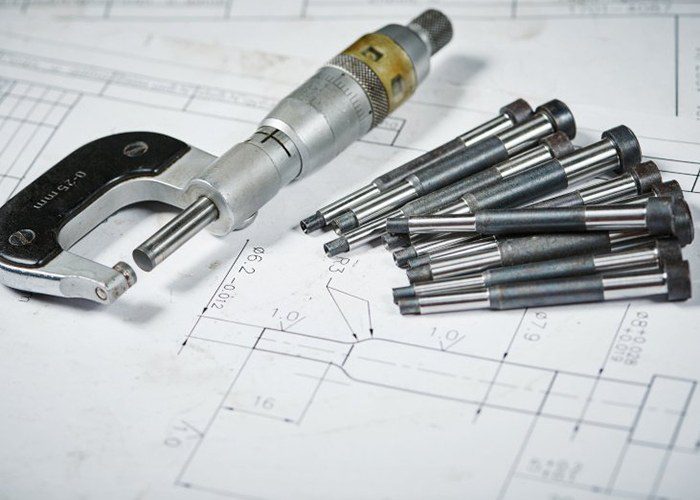
The journey from raw material to finished custom metal part typically follows a structured sequence of steps. It begins with design and drafting, where engineers translate specifications into detailed blueprints using computer-aided design (CAD) software. Material selection follows—a critical decision that balances strength, weight, corrosion resistance, thermal conductivity, and cost. The actual fabrication then proceeds through cutting, shaping, welding, assembly, finishing, and rigorous quality control.
Modern fabrication shops employ an extensive arsenal of techniques. CNC milling and turning are workhorses of precision machining, using computer-controlled cutting tools to remove material and achieve exacting tolerances. Laser cutting delivers exceptional accuracy, with some systems achieving dimensional precision within ±0.05mm. Sheet metal fabrication combines laser cutting, CNC punching, press brake forming, and expert welding to create components ranging from simple brackets to complex enclosures. Welding techniques such as TIG (tungsten inert gas) and MIG (metal inert gas) ensure structural integrity and durability. Additive manufacturing—metal 3D printing—is increasingly adopted for producing complex geometries that would be impossible or prohibitively expensive through traditional methods.
Industries That Depend on Custom Metal Parts
The reach of custom fabricated metal parts extends across virtually every industrial sector. The aerospace industry relies on high-performance metals like aluminum, titanium, and advanced alloys for aircraft and spacecraft components, where precision is literally a matter of life and death. Automotive manufacturing depends on custom parts for prototypes, specialized tooling, and components that enable new vehicle designs. The construction sector leverages custom fabrication for structural steel, platforms, machinery supports, and infrastructure elements that bear heavy loads and withstand environmental stress. Medical device manufacturing requires custom-fabricated components with exacting tolerances and biocompatible materials. The energy sector, including oil, gas, and renewable energy, depends on custom parts for pressure vessels, storage tanks, and critical infrastructure. Even interior design and commercial architecture increasingly turn to custom metalwork for aesthetic and functional applications.
The Strategic Advantages of Customization
Why do businesses choose custom fabrication over off-the-shelf alternatives? Several compelling advantages hold the key. Precision and performance are paramount: custom parts are designed to meet specific requirements for durability, strength, corrosion resistance, or thermal conductivity. This tailored approach optimizes material usage and reduces waste, contributing to both cost savings and environmental sustainability. Custom fabrication enables rapid prototyping, allowing companies to test and refine designs before committing to full-scale production—a process that identifies potential issues early and saves time and money. Flexibility in production volume means businesses can order exactly what they need, whether a single prototype or a small batch, without incurring the cost of surplus inventory. Perhaps most importantly, custom parts are less likely to require frequent replacements or repairs, resulting in lower total ownership costs over the long term. As one industry observer put it, custom fabrication is “less about bells and whistles and more about setting up the right part for success in the system in which it lives”.
Market Growth and Future Trends
The global market for custom metal fabrication is on a robust growth trajectory. The broader metal fabrication market was valued at approximately USD 370 billion in 2024 and is projected to reach USD 497 billion by 2031, growing at a compound annual growth rate (CAGR) of 4.07%. More specifically, the custom metal fabrication market is expected to grow at a CAGR of 6.1% from 2025 to 2031, driven by increasing demand from the construction sector, growing industrial automation, and rising demand for customized solutions. The Asia-Pacific region is anticipated to witness the highest growth, fueled by rapid industrialization and infrastructure development.
Several transformative trends are reshaping the industry. Additive manufacturing is revolutionizing design flexibility and material efficiency, particularly in automotive and aerospace applications. Smart manufacturing and automation—including robotics, artificial intelligence, and Industry 4.0 technologies—are elevating accuracy, minimizing human error, and accelerating production rates. Sustainability has become a focal point, with businesses implementing green measures such as recycling scrap metals, reducing energy consumption, and adopting cleaner production methods. The rise of on-demand manufacturing and digital design tools enables metals to be custom-fabricated more easily and efficiently than ever before. The data center boom has also emerged as a significant growth driver, with server racks and related infrastructure creating substantial demand for fabricated metal products.
Conclusion
Custom fabricated metal parts are far more than simple components—they are the building blocks of innovation, the enablers of precision, and the silent partners in countless industries that shape our daily lives. As technology continues to advance and the demand for tailored solutions grows, the custom metal fabrication industry stands poised for sustained expansion. For engineers, manufacturers, and businesses alike, the ability to transform raw metal into precisely engineered solutions remains an indispensable capability—one that will only grow in importance as the world becomes more complex, more demanding, and more customized.